

Total Items
0
0 Item(s)
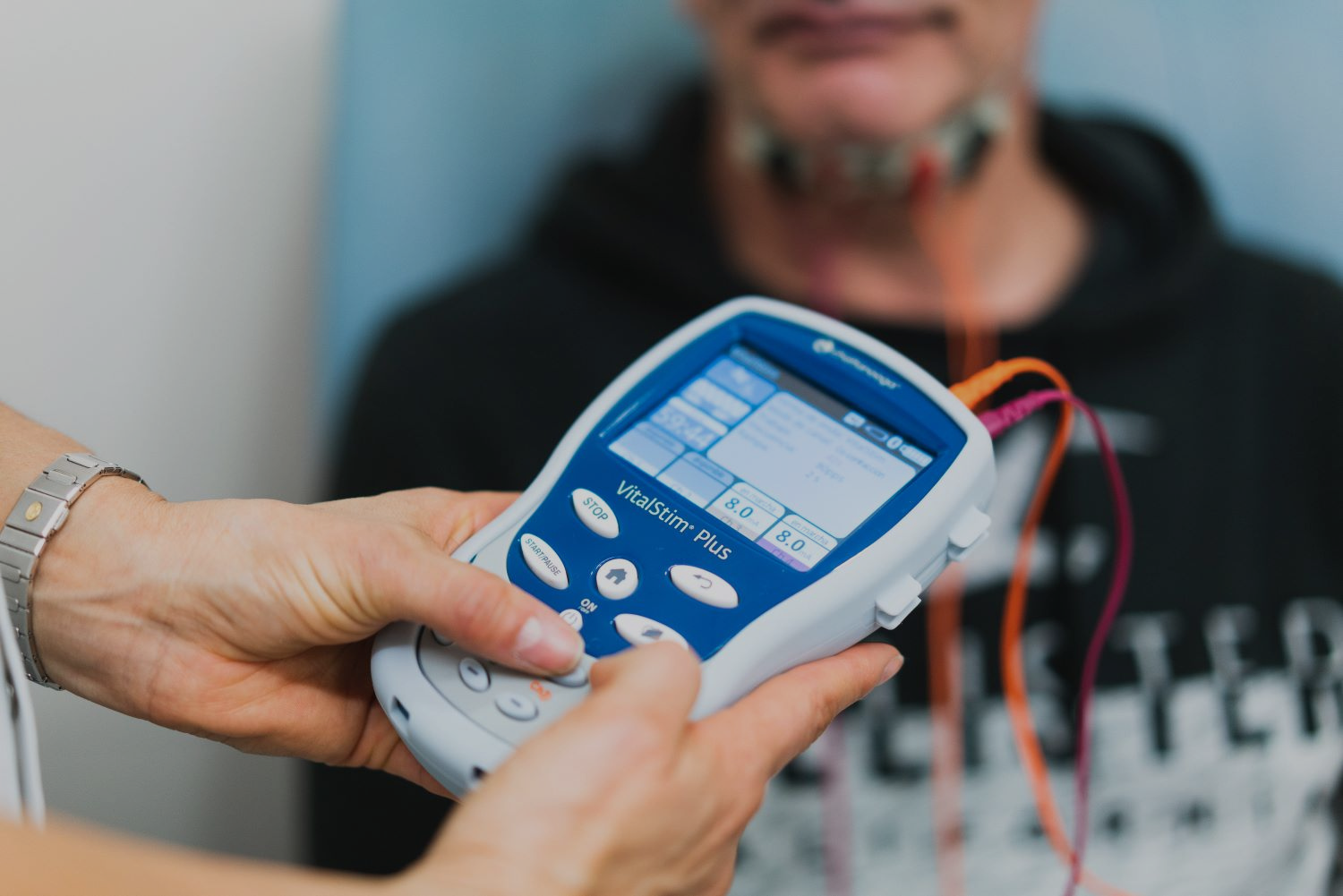
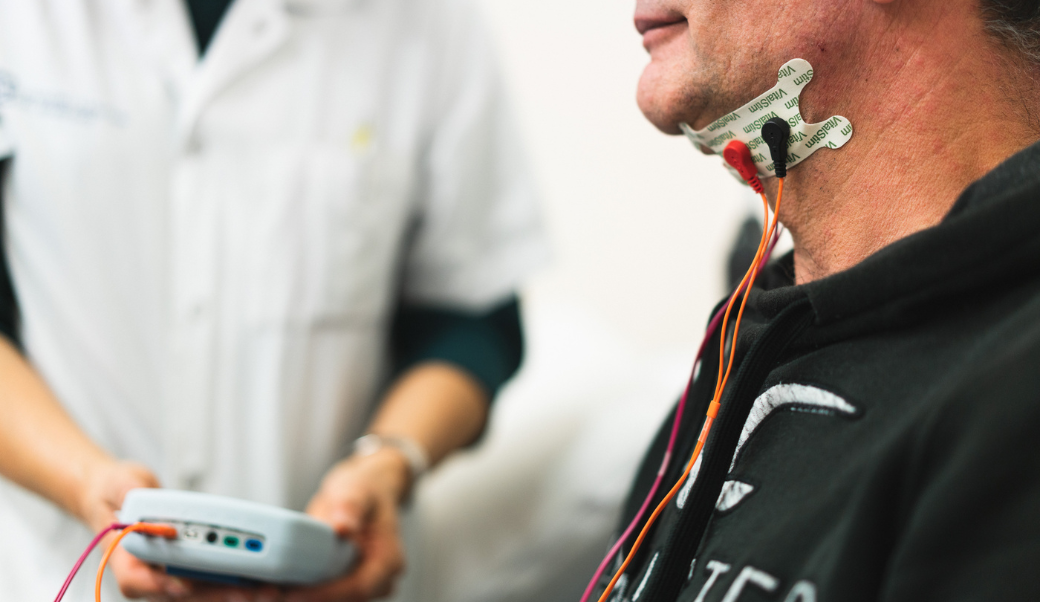
VitalStim® Therapy works by applying external electrical stimulation to the muscles involved in swallowing, particularly the muscles necessary for pharyngeal contraction. In clinical practice, VitalStim Therapy is used to support muscle re-education as part of a structured dysphagia rehabilitation plan.
Rather than replacing traditional swallowing therapy, VitalStim Therapy is most effective when used as an adjunct to clinician-guided interventions such as:
Clinicians should use their best judgement for waveform selection, electrode placement, stimulation intensity, and treatment progression based on patient presentation.
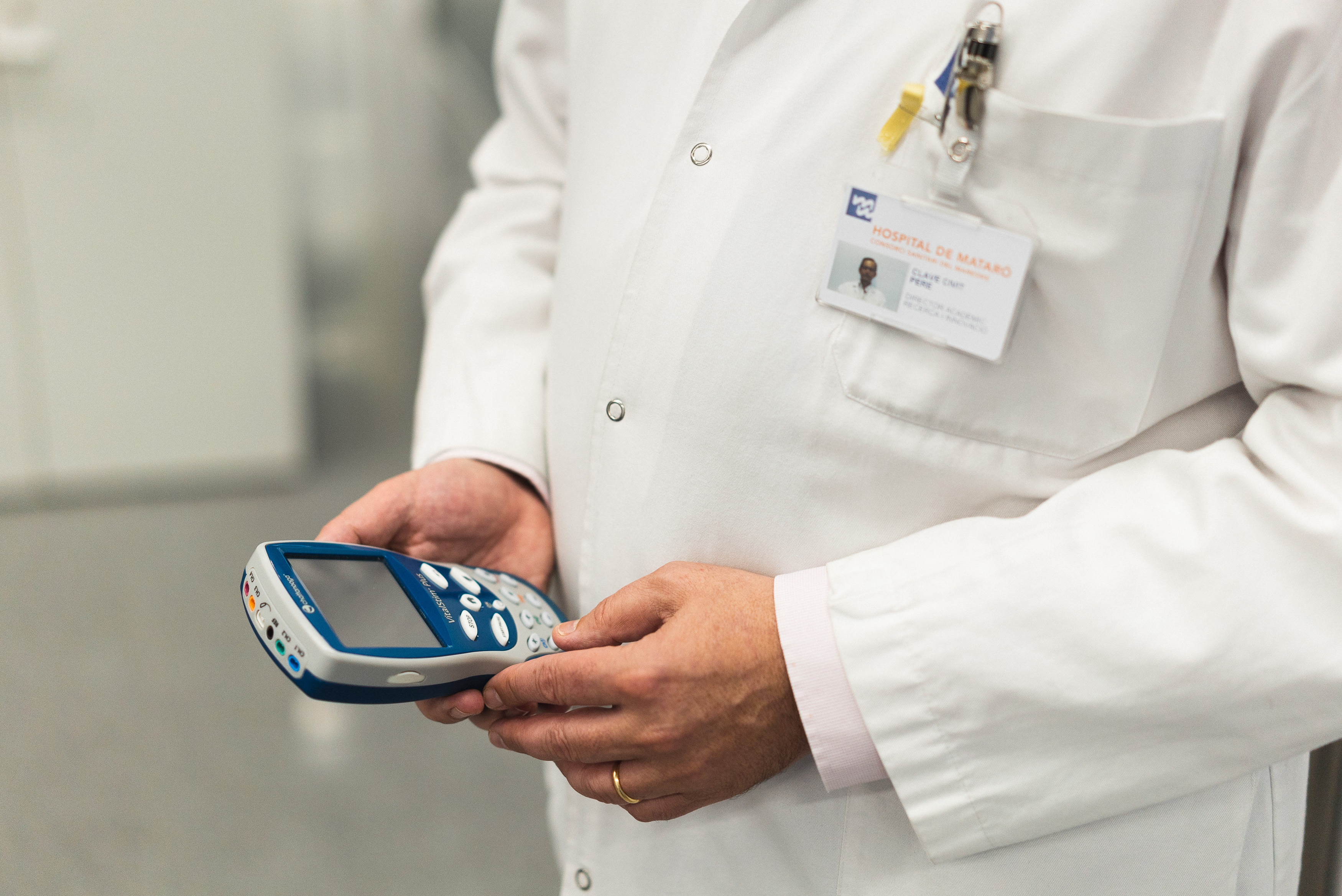
Clinicians commonly integrate VitalStim Therapy into dysphagia rehabilitation plans for patients with swallowing dysfunction related to:
Neurological conditions
Post-traumatic or neuromuscular impairment
Post-acute or post-hospitalization deconditioning
Reduced swallowing coordination or timing
Muscle weakness impacting swallow safety or efficiency
VitalStim Therapy can be used across care settings including acute care hospitals, inpatient rehabilitation facilities, outpatient rehabilitation facilities, and skilled nursing and long-term care environments.
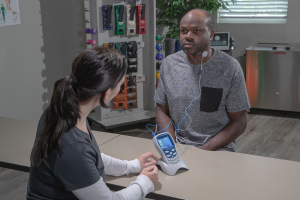
VitalStim Therapy is designed specifically to support neuromuscular re-education of the swallowing muscles through targeted electrical stimulation applied to the anterior neck.
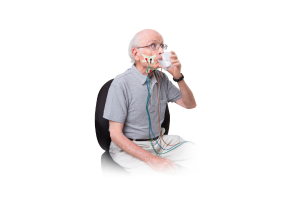
Because it is integrated with therapeutic exercises and swallowing tasks, VitalStim Therapy can be used to encourage active engagement rather than passive treatment.
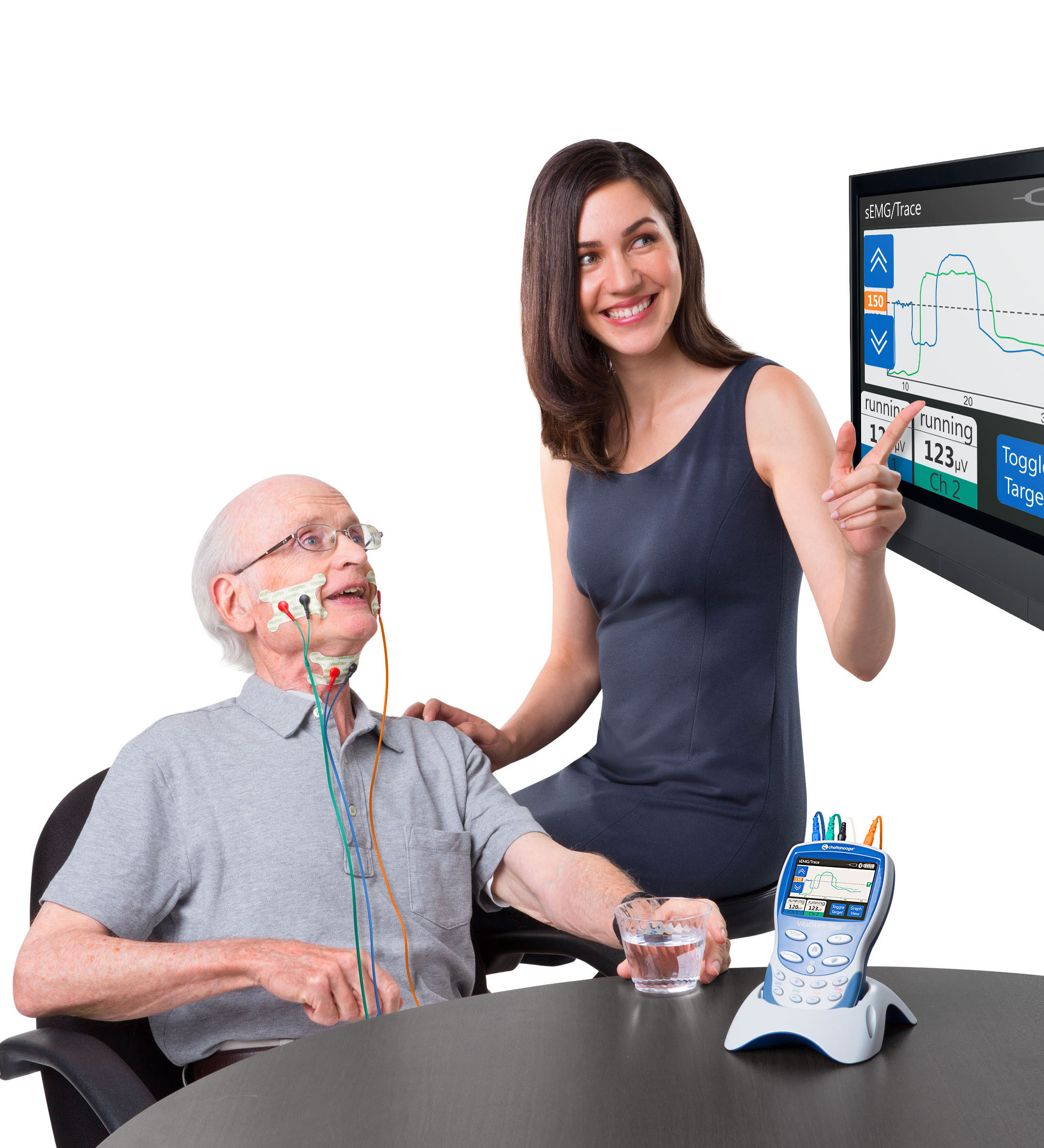
Therapy can be adjusted over time based on clinician judgment and patient presentation—supporting progression from early-phase neuromuscular activation to functional swallowing practice.
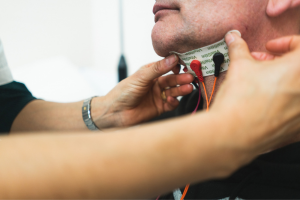
VitalStim Therapy is not intended as a standalone intervention. It fits best within a broader conservative plan of care that may include exercise progression, postural strategies, dietary modifications, and functional swallow retraining.
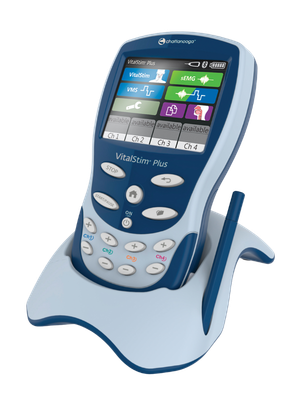
Explore how VitalStim Therapy can support conservative dysphagia rehabilitation care for your patients today.
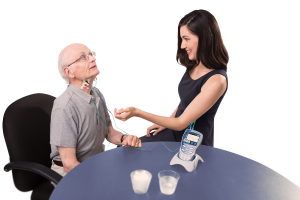
For clinicians looking to integrate VitalStim Therapy into daily dysphagia rehabilitation care, VitalStim Plus offers a comprehensive platform built for consistent clinical use.
VitalStim Plus Electrotherapy and sEMG Biofeedback System
VitalStim Plus supports dysphagia rehabilitation care by combining:
Key system capabilities include:
System configuration and clinical use should align with clinician training, facility protocols, and patient needs.
A square symmetrical biphasic waveform with an interphase interval pulse, intended for application to the swallowing musculature in the anterior portion of the neck.
Indicated use:
Muscle re-education of the swallowing musculature in the treatment of dysphagia from any etiology except mechanical causes that would require surgical intervention.
A square symmetrical biphasic waveform intended for use on the musculature of the face.
Intended uses:
Prevention or retardation of disuse atrophy, muscle re-education, and relaxation of muscle spasms in swallowing musculature dysfunction following neurological insult or post-traumatic conditions.
Surface electromyography biofeedback is intended for relaxation training and muscle re-education.
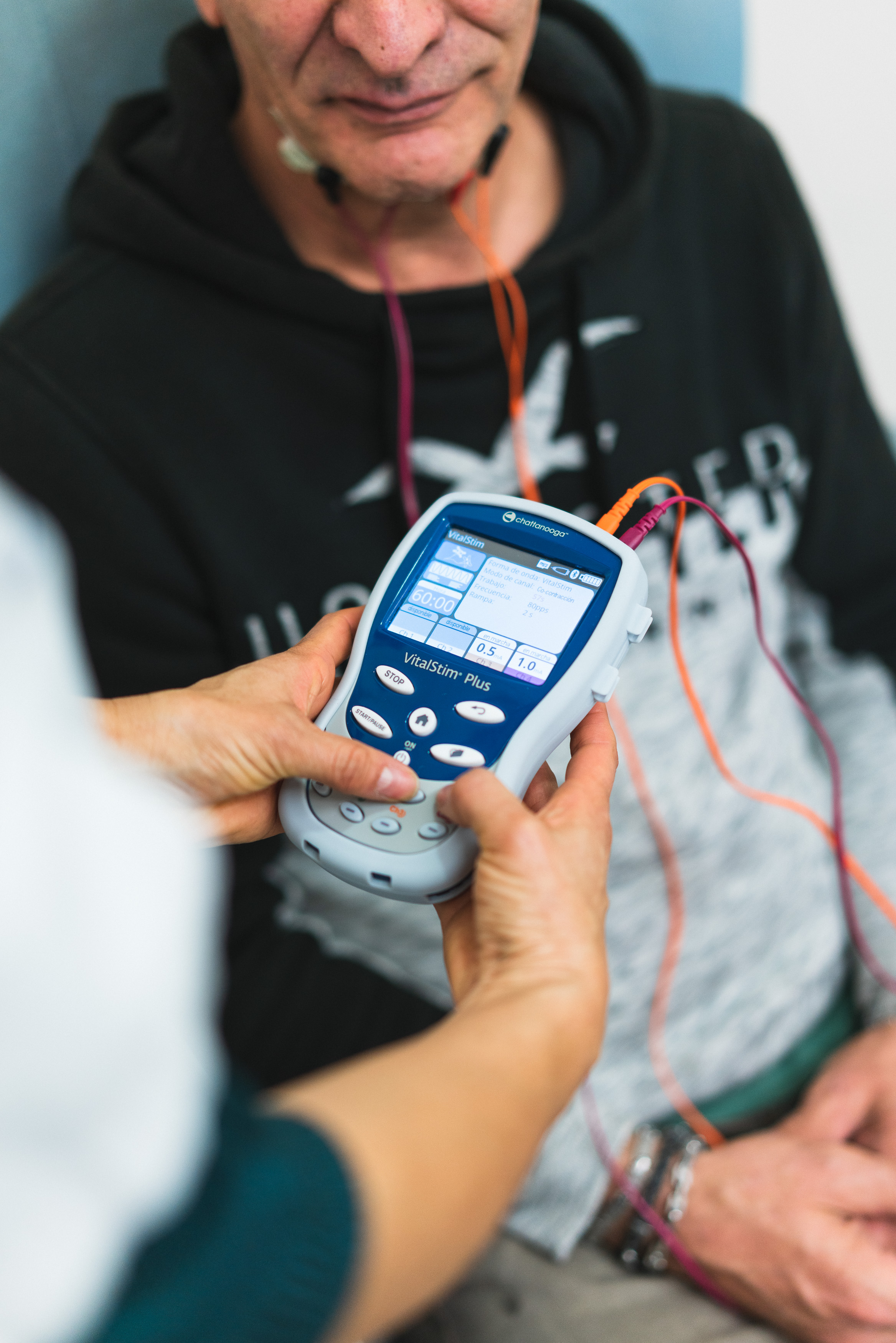
VitalStim therapy is indicated for muscle re-education of the swallowing musculature in patients with dysphagia of non-mechanical etiology. It is used as part of a dysphagia rehabilitation plan to support neuromuscular activation of the anterior neck swallowing muscles when appropriate, based on clinical evaluation.
VitalStim therapy is appropriate for dysphagia resulting from non-mechanical causes, such as neurological or neuromuscular impairment. Conditions that require surgical correction or involve structural obstruction are excluded. Clinicians should determine appropriateness through swallowing assessment, etiology review, and contraindication screening.
No. VitalStim therapy is not a standalone intervention. It is always used as an adjunct to swallowing therapy, including therapeutic exercises, compensatory strategies, and functional swallowing tasks, within a comprehensive dysphagia rehabilitation program.
The VitalStim waveform is a square symmetrical biphasic waveform specifically designed for stimulation of the anterior neck swallowing musculature. It is optimized for neuromuscular activation in swallowing therapy applications and is distinct from general-purpose electrical stimulation waveforms.
VMS (Variable Muscle Stimulation) is intended for facial musculature stimulation and may be used for muscle re-education, relaxation of muscle spasms, and prevention or retardation of disuse atrophy, when clinically appropriate.
Surface electromyography (sEMG) biofeedback is used to support muscle re-education and relaxation training by providing visual feedback of muscle activation. It helps clinicians guide patient effort and engagement during swallowing rehabilitation exercises.
VitalStim Plus supports up to four stimulation channels, allowing for concurrent activation of multiple muscle groups.
Co-Contraction Mode is a delivery option where multiple stimulation channels activate simultaneously, supporting coordinated muscle engagement during swallowing tasks and therapeutic exercises.
sEMG-triggered stimulation is a workflow in which patient-generated muscle activity initiates stimulation once a predefined threshold is reached. This approach supports active participation and neuromuscular re-education under clinician supervision.
Screen mirroring allows live visualization of treatment activity on a computer or tablet. This can support patient engagement, education, and clinician-guided feedback during therapy sessions.
Yes. VitalStim Plus supports treatment data storage and export, enabling clinicians to document therapy parameters, session activity, and progress as part of clinical records and facility documentation workflows.
VitalStim therapy is intended for use by trained clinicians acting under the order of a licensed healthcare professional. Appropriate education, competency training, and adherence to facility protocols are required prior to clinical use. CIAO Seminars is the sole education provider for VitalStim therapy.
Yes. VitalStim Plus devices are prescription devices and are restricted to sale by or on the order of a physician or other licensed healthcare practitioner, in accordance with federal regulations.
Yes. VitalStim therapy may be used in acute care settings when clinically appropriate, within facility protocols, and under clinician judgment, based on patient stability and swallowing assessment findings.
No. VitalStim therapy is not indicated for mechanical dysphagia or conditions requiring surgical intervention. Structural causes must be addressed through appropriate medical or surgical management.
Clinics should evaluate waveform availability, sEMG biofeedback capability, channel count, documentation features, training support, and alignment with existing dysphagia rehabilitation programs when selecting a dysphagia therapy device like VitalStim Plus.
Yes. Clinicians must review all contraindications, warnings, and precautions listed in the user manual prior to use. Screening for medical history, implanted devices, and other risk factors is required.
Appropriateness is determined through comprehensive swallowing evaluation, assessment of dysphagia etiology, contraindication screening, and clinician judgment within an established plan of care.