

Total Items
0
0 Item(s)
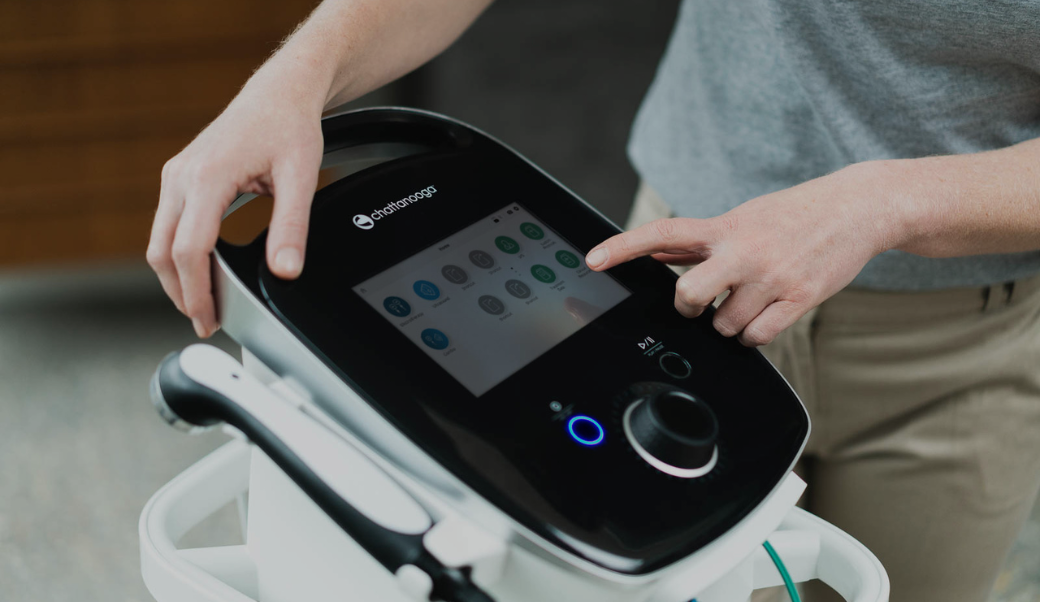

Electrotherapy involves the application of controlled electrical currents through surface electrodes placed on the skin. These currents interact with sensory nerves and motor units to influence neuromuscular responses depending on the selected waveform and parameters.
Waveform selection, intensity, pulse duration, frequency, electrode placement, and treatment timing are determined by clinician judgment and patient presentation. Electrotherapy is most effective when strategically integrated into a broader plan of care that includes movement, progressive loading, and functional retraining.
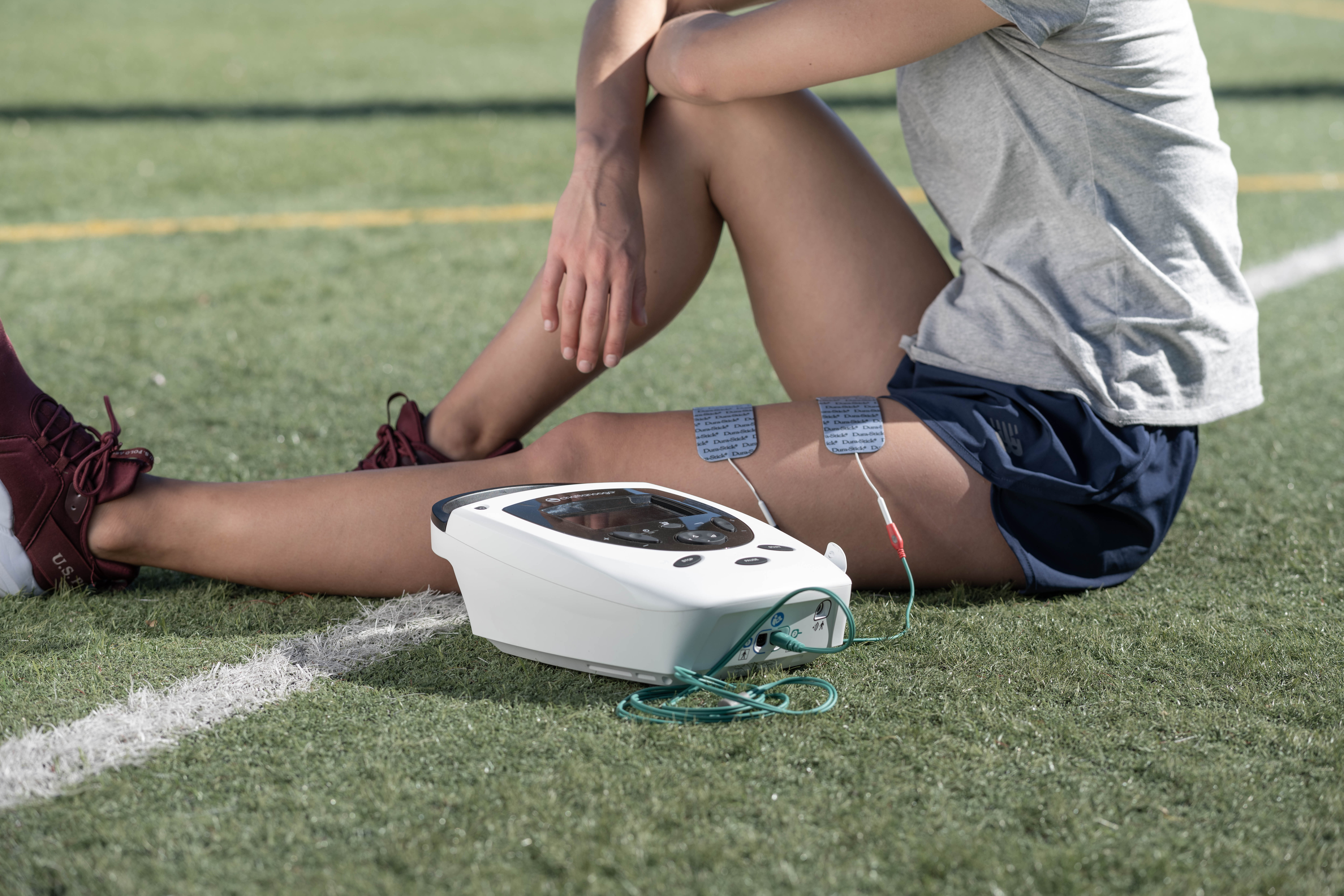
Electrotherapy is commonly incorporated into conservative rehabilitation programs to help address symptoms and neuromuscular impairments associated with a wide range of conditions, including:
Post-surgical pain and muscle inhibition
Muscle weakness and neuromuscular dysfunction
Muscle spasms and guarding
Chattanooga® electrotherapy systems support a range of clinically established waveforms, enabling clinicians to tailor treatment to patient presentation and therapeutic goals.
When used within rehabilitation programs and according to device indications, electrotherapy supports several clinically relevant objectives:
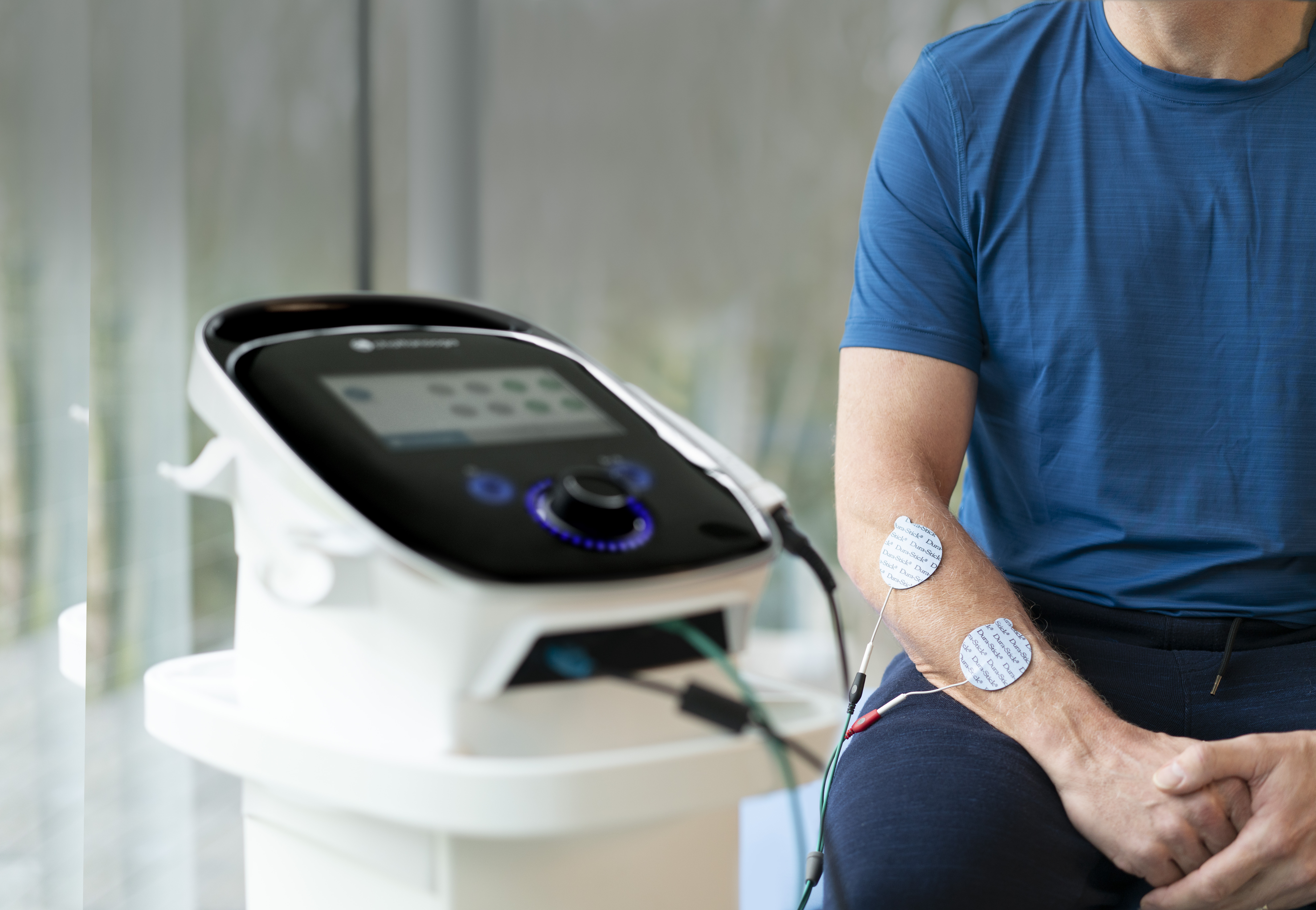
Neuromuscular electrical stimulation (NMES) waveforms are used to elicit controlled muscle contractions to support muscle re-education, improve voluntary activation, and assist in restoring neuromuscular control following injury or surgery.
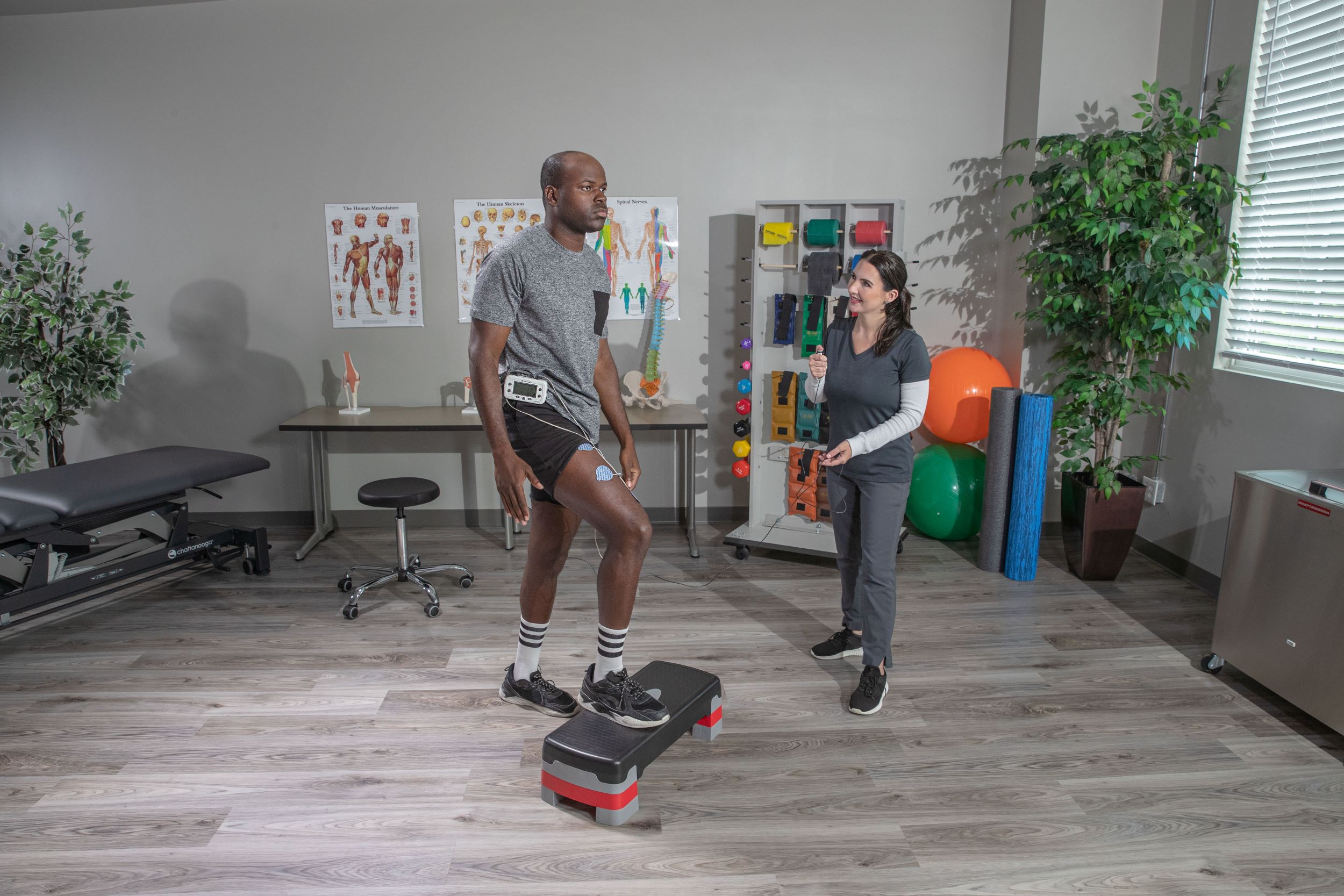
Electrical stimulation may be applied to help relax muscle spasms and reduce involuntary guarding that can interfere with movement, manual therapy, or exercise progression.
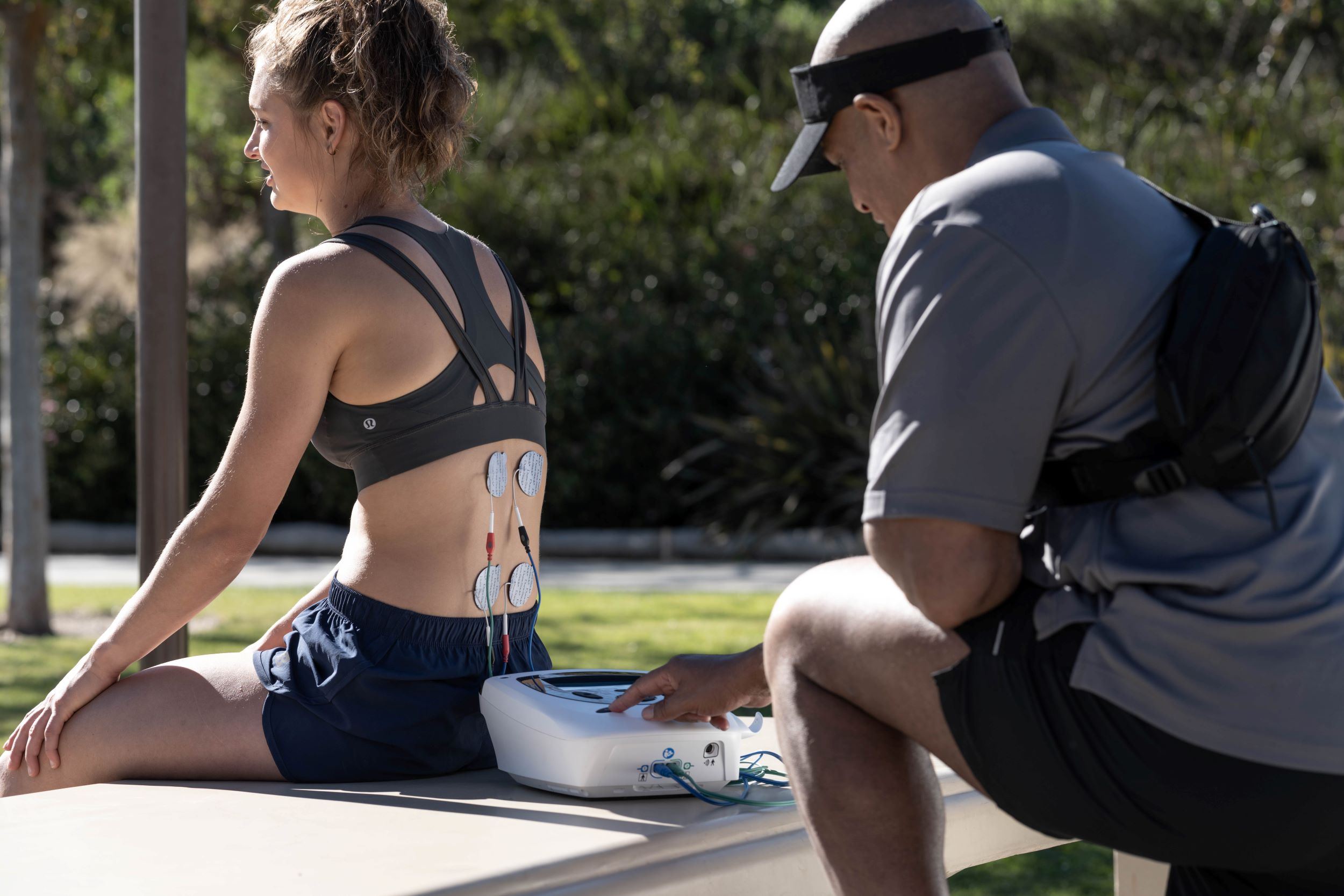
Electrotherapy may be incorporated during periods of limited activity to stimulate muscle contractions and help slow the progression of disuse atrophy within approved indications.
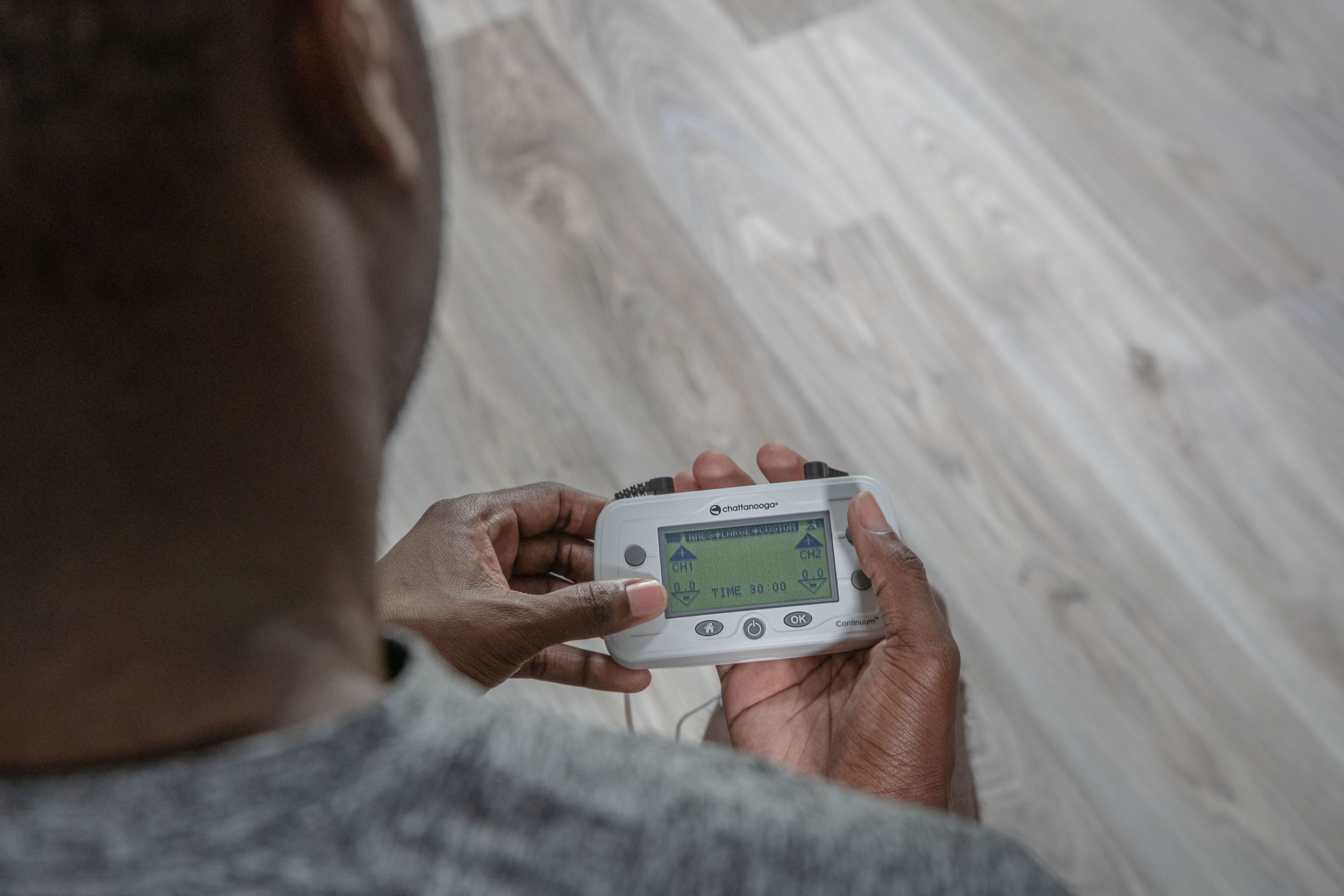
Rhythmic muscle contractions produced by specific stimulation parameters can support increased local blood circulation, which may assist in tissue oxygenation and metabolic waste removal.
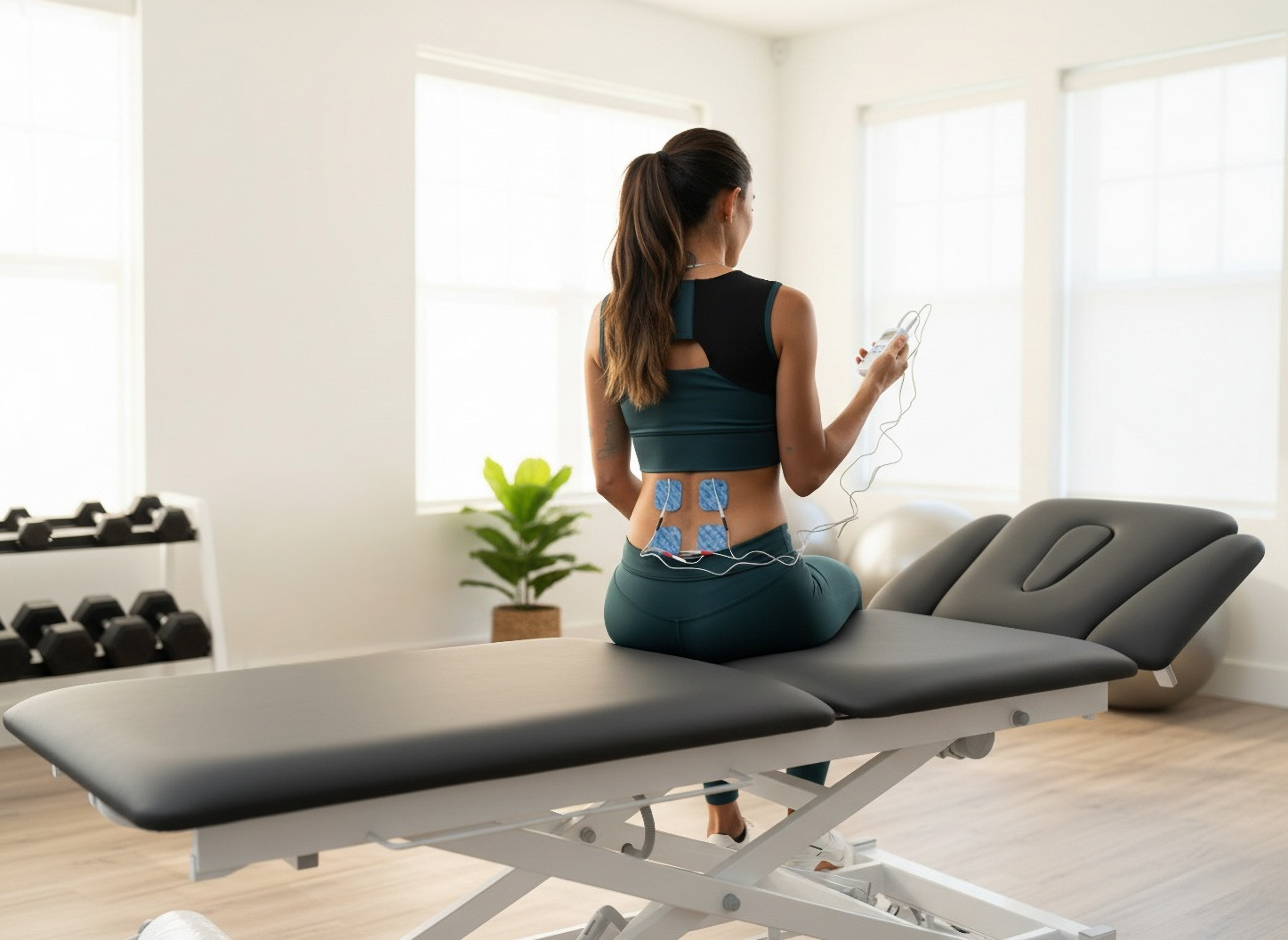
Sensory-level and motor-level stimulation waveforms may be used for the symptomatic relief or management of pain, helping patients better tolerate active rehabilitation interventions.
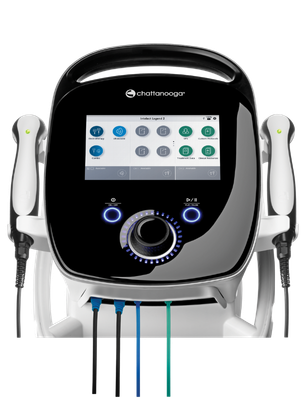
Explore the clinical science and physiological advantages behind Chattanooga’s proprietary Variable Muscle Stimulation (VMS) waveform.
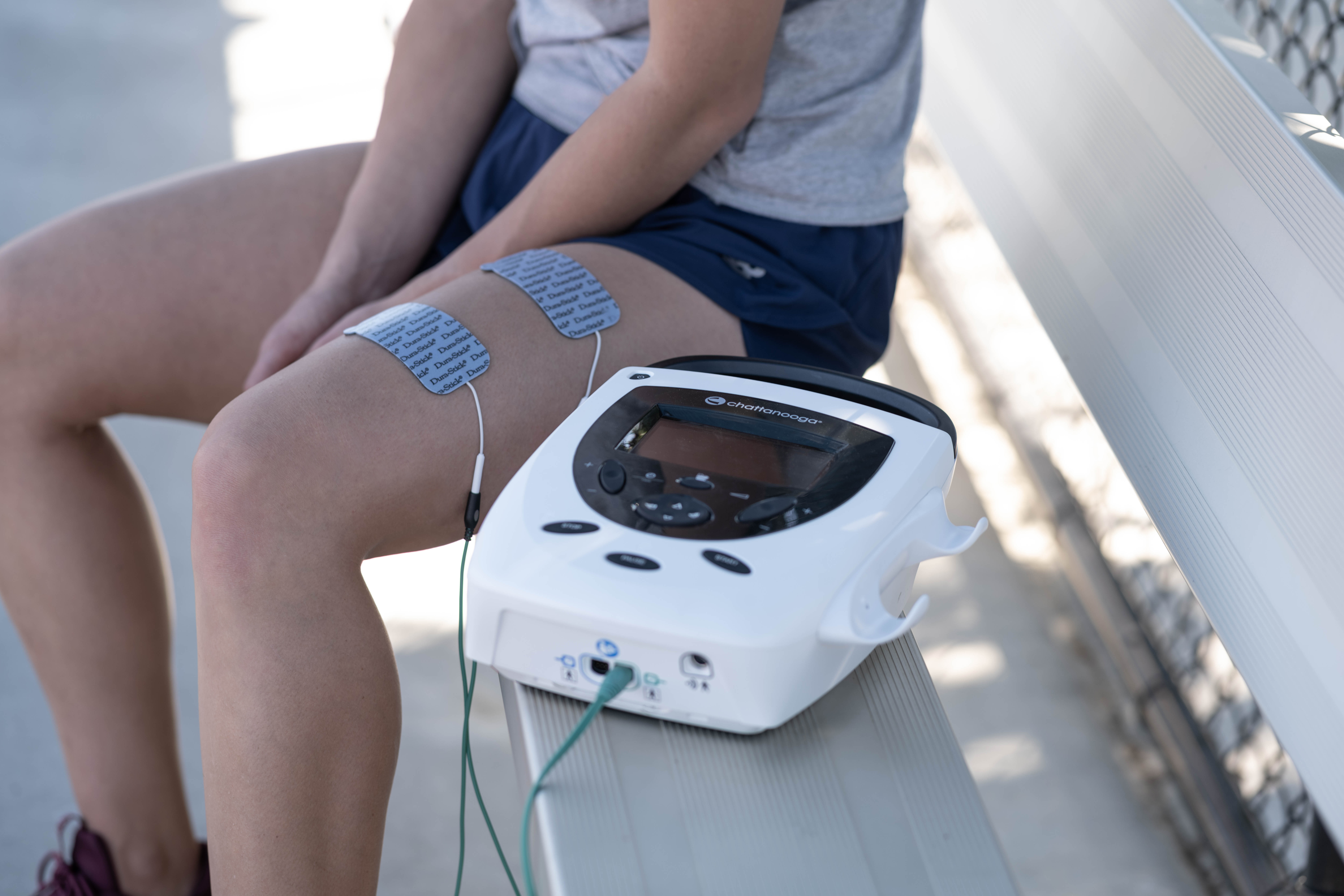
Variable Muscle Stimulation (VMS) is Chattanooga’s proprietary neuromuscular electrical stimulation waveform, available exclusively on select Chattanooga electrotherapy systems, including the Intelect® Legend 2 and the Intelect® Transport 2.
VMS utilizes an optimized symmetrical biphasic waveform with adjustable phase duration and fixed interphase intervals. These waveform characteristics are designed to deliver strong, consistent muscle contractions while improving patient comfort compared to traditional stimulation waveforms.
From a clinical perspective, VMS has demonstrated several physiological advantages:
These characteristics make VMS a clinically relevant waveform option for muscle re-education, prevention or retardation of disuse atrophy, relaxation of muscle spasms, and increasing local blood circulation.
Chattanooga® offers a comprehensive portfolio of clinical and portable electrotherapy systems designed for both high-volume clinical environments and mobile or multi-site care settings.
Intelect® Legend 2
The Intelect® Legend 2 is a cart-based electrotherapy system available in 2- or 4-channel configurations. Legend 2 supports a broad range of standard clinical waveforms as well as Chattanooga’s proprietary VMS waveform for advanced NMES applications.
Legend 2 is commonly used in high-volume rehabilitation environments where clinicians require reliable, repeatable delivery of NMES for muscle re-education, prevention or retardation of disuse atrophy, relaxation of muscle spasms, and increased local blood circulation.
Intelect® Transport 2 (Combo Configuration)
The Intelect® Transport 2 delivers the same core electrotherapy capabilities as the Legend 2 but in a portable format. The combo configuration integrates electrotherapy and ultrasound, allowing clinicians to apply multiple modalities within a single device.
Like the Legend 2, Transport 2 includes Chattanooga’s proprietary VMS waveform, supporting high-intensity NMES protocols in treatment rooms, satellite clinics, athletic facilities, and mobile care environments where portability and consistency of treatment parameters are required.
Chattanooga® Continuum™
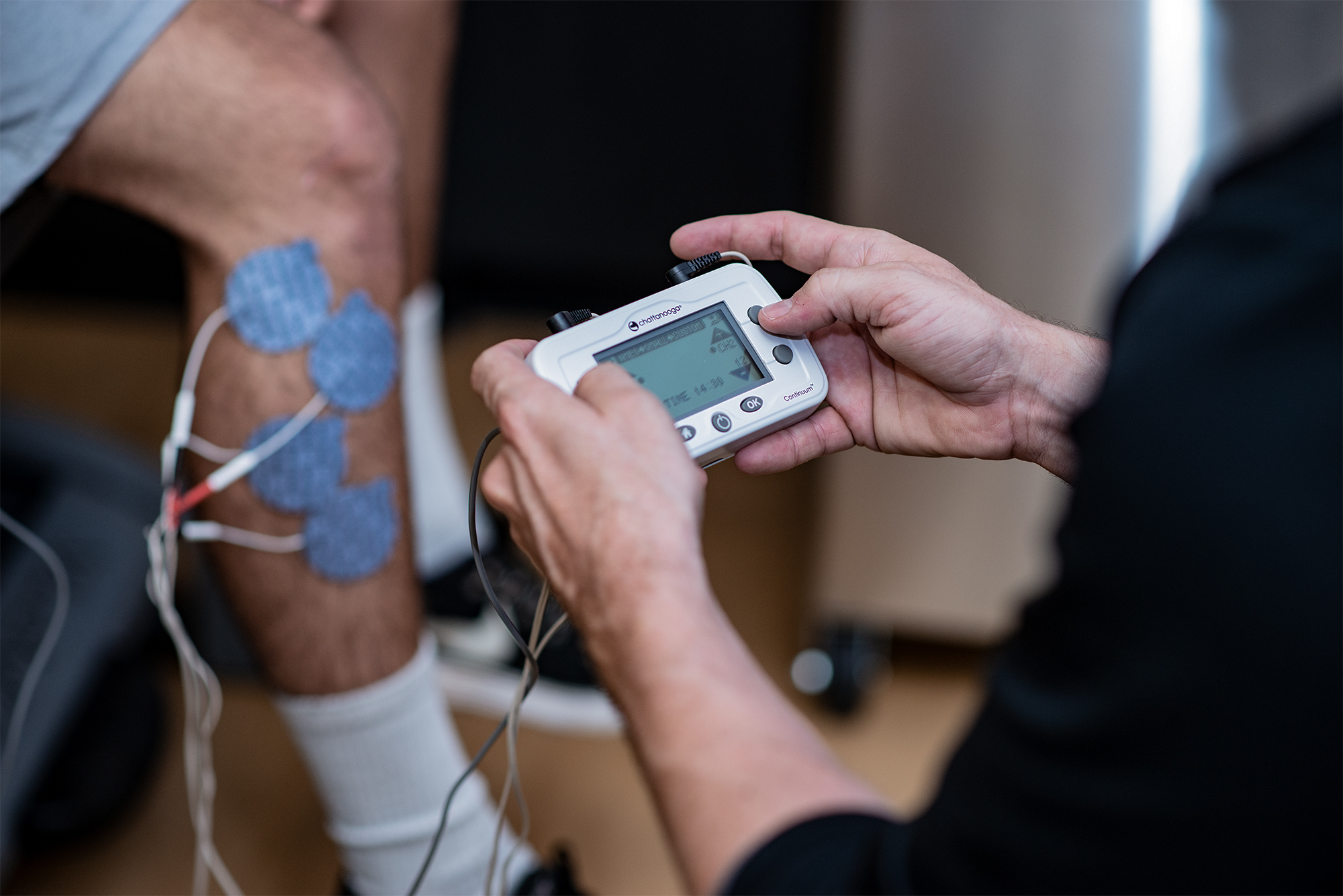
The Chattanooga® Continuum™ is a portable, two-channel electrotherapy device designed to support clinician-directed NMES and TENS treatments in the clinic and extend care into the home under prescription. It delivers high-intensity NMES with adjustable pulse duration, frequency, ramp times, and on/off cycles to help clinicians achieve strong, meaningful muscle contractions.
In an evaluation of NMES devices following knee injury, Continuum was the only NMES device tested that could meet all recommended parameters for effective quadriceps strengthening in most participants.1 Optional heel and hand switches allow stimulation to be triggered during functional movement, supporting gait training and neuromuscular re-education beyond the clinic.
Chattanooga® Primera™
The Chattanooga® Primera™ is a multi-functional TENS and NMES device designed to support temporary pain relief and basic muscle performance training with a simplified selection of pre-set programs. Unlike Continuum, which must be prescribed by a clinician for at-home use, Primera is available in both prescription and over-the-counter (OTC) options offering 8 TENS programs and 6 NMES programs, including the HAN TENS waveform that modulates between 2 Hz and 70 Hz.
When evaluating electrotherapy equipment, clinicians and buyers typically consider:
System selection should align with caseload, facility protocols, and conservative care objectives. Most Chattanooga® electrotherapy systems are prescription devices intended for use by or on the order of a licensed healthcare professional. Refer to individual user manuals for full indications, contraindications, warnings, and precautions.
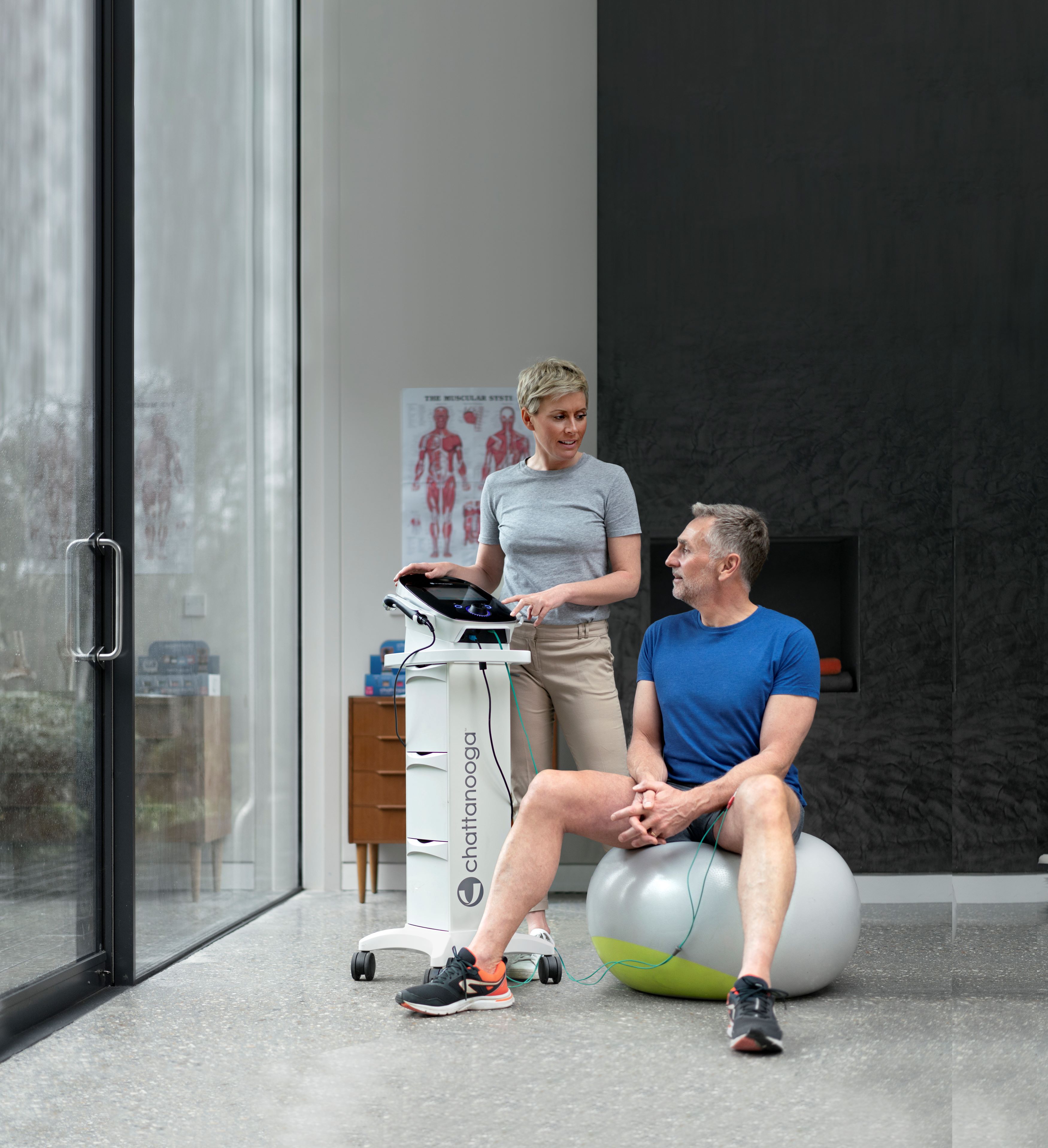
Transcutaneous electrical nerve stimulation (TENS) is an electrotherapy modality that delivers controlled electrical stimulation through surface electrodes placed on the skin. In clinical settings, TENS is used as an adjunct to support pain management and patient participation in therapeutic exercise and manual therapy. Treatment parameters are selected by the clinician operating the TENS device.
Electrical muscle stimulation (EMS), including neuromuscular electrical stimulation (NMES), is designed to elicit muscle contractions to support muscle activation and neuromuscular re-education. TENS is primarily used for pain modulation, while EMS focuses on muscle recruitment and functional support. Many systems offer multiple waveforms so clinicians can select the appropriate parameters based on treatment goals and patient presentation.
Most Chattanooga® electrotherapy systems are prescription devices intended for use by, or on the order of, a licensed healthcare professional. Clinicians should determine appropriateness, electrode placement, waveform selection, and treatment parameters based on evaluation findings and established plans of care.
Waveform selection and intensity are based on clinical objectives, patient tolerance, and device labeling. Clinicians typically begin at lower intensities and adjust parameters to achieve the intended therapeutic response while maintaining patient comfort and safety. Waveform selection remains at the discretion of the clinician and their evaluation of patient needs.
Electrode placement is determined by the clinician based on anatomical considerations, treatment goals, and device labeling. Placement strategies are selected to support targeted stimulation while avoiding restricted areas identified in the device’s warnings and precautions. Clinicians should adjust placement as part of ongoing assessment and treatment response. Please refer to the user manual of your Chattanooga® electrotherapy device of choice for more information on contraindications and precautions for device usage.
Electrotherapy modalities such as TENS or NMES may be integrated as adjuncts to support muscle activation and participation in rehabilitation activities when clinically appropriate. These modalities are used in conjunction with therapeutic exercise, manual therapy, and functional training, rather than as standalone interventions.
Electrotherapy is used as an adjunct modality to support symptom management or neuromuscular activation within a broader conservative plan of care. Clinicians may integrate electrotherapy when pain or muscle inhibition limits participation in other areas of the patient’s plan of care.
Safety considerations vary by waveform and device. Contraindications may include implanted electronic devices, certain cardiac conditions, pregnancy considerations, or compromised skin integrity. Clinicians must review all warnings, precautions, and contraindications listed in the user manual of the device in question prior to application.
Clinics typically evaluate waveform availability, channel configuration, portability, ease of setup, training support, and long-term reliability. Selection should align with patient volume, treatment protocols, and conservative care workflows across providers.
Electrotherapy systems are commonly used in orthopedic, sports medicine, and post-surgical rehabilitation settings. Clinics that integrate therapeutic exercise and manual therapy often use electrotherapy as an adjunct to support pain management and neuromuscular activation.
Clinicians select waveforms based on clinical goals, patient presentation, phase of rehabilitation, and device indications. Selection may include TENS, IFC, NMES, VMS, HVPC, microcurrent, or other supported waveforms depending on the system configuration and clinical need.
Treatment parameters are influenced by waveform selection, patient tolerance, tissue response, therapeutic goals, and clinician experience. Parameters are adjusted based on individual patient response.
Session duration varies based on waveform, clinical intent, and clinician judgment. Treatment times are determined by the provider according to patient response and care plan goals. Providers can also choose to use the Intelect® Legend 2’s Suggested Protocol Setup (SPS) menu, which allows therapists to set up a treatment within 3 button pushes by selecting an indication rather than having to select every waveform and parameter.
In post-surgical settings, electrotherapy may be used as part of conservative care to support pain management or muscle re-education. Integration timing and protocol selection are determined by clinician judgment and surgical guidelines. Protocols can also be selected using the Intelect® Legend 2’s Suggested Protocol Setup (SPS) menu, which allows therapists to set up a treatment within 3 button pushes by selecting an indication rather than having to select every waveform and parameter. Proper screening and adherence to all warnings and precautions in the device user manual are required.
A 2-channel system supports up to four electrodes, typically treating one larger or two smaller areas. A 4-channel system supports up to 8 electrodes, enabling simultaneous treatment of multiple areas and improving efficiency in higher-volume clinics.
Yes. Contraindications vary by waveform and device and may include implanted electronic devices, certain cardiac conditions, pregnancy considerations, or compromised skin integrity. Clinicians must review all contraindications, warnings, and precautions listed in the device user manual before application.
Most of the time, yes. Most Chattanooga® electrotherapy devices are prescription devices intended for use by or on the order of a physician or other licensed healthcare professional.
¹Arhos EK, Ito N, Hunter-Giordano A, Nolan TP, Snyder-Mackler L, Silbernagel KG. Who's Afraid of Electrical Stimulation? Let's Revisit the Application of NMES at the Knee. J Orthop Sports Phys Ther. 2024;54(2):101-106. doi:10.2519/jospt.2023.12028