

Total Items
0
0 Item(s)
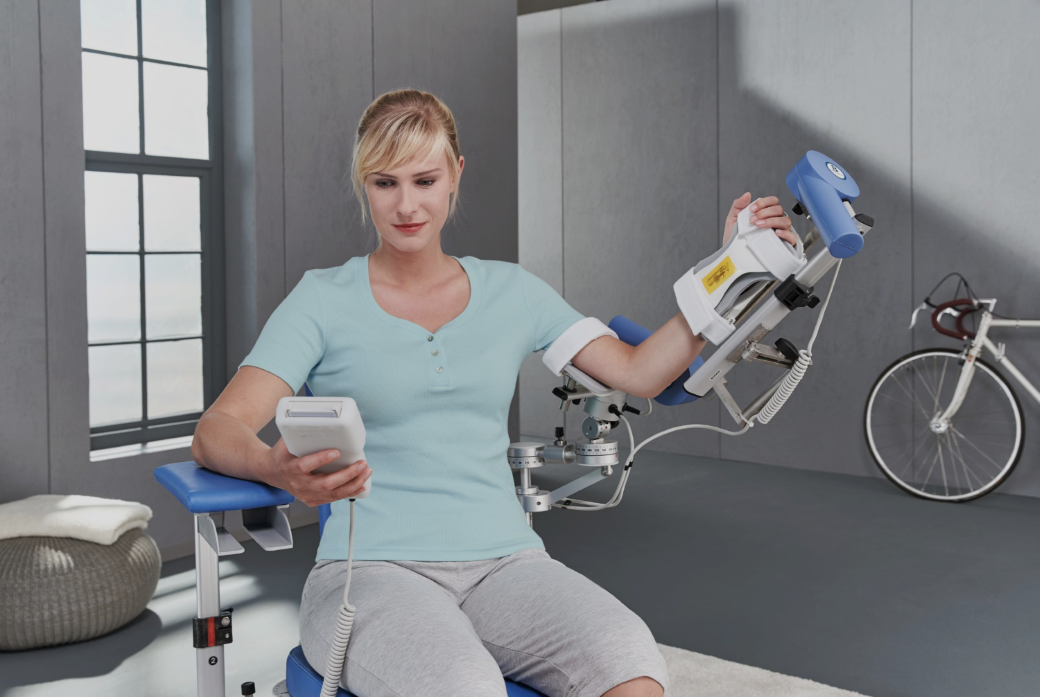

Continuous passive motion (CPM) is a form of motor-assisted therapy that moves a joint through a prescribed range of motion (ROM) without active patient muscle contraction. CPM therapy is primarily used to prevent the negative effects of immobilization after injury or surgery, helping patients regain joint mobility and achieve optimal functional outcomes.
Chattanooga® offers a range of CPM devices designed for durability and ease of use in both clinical and home settings. Parameter selection (range, speed, duration) should be determined by clinician judgment and patient presentation.
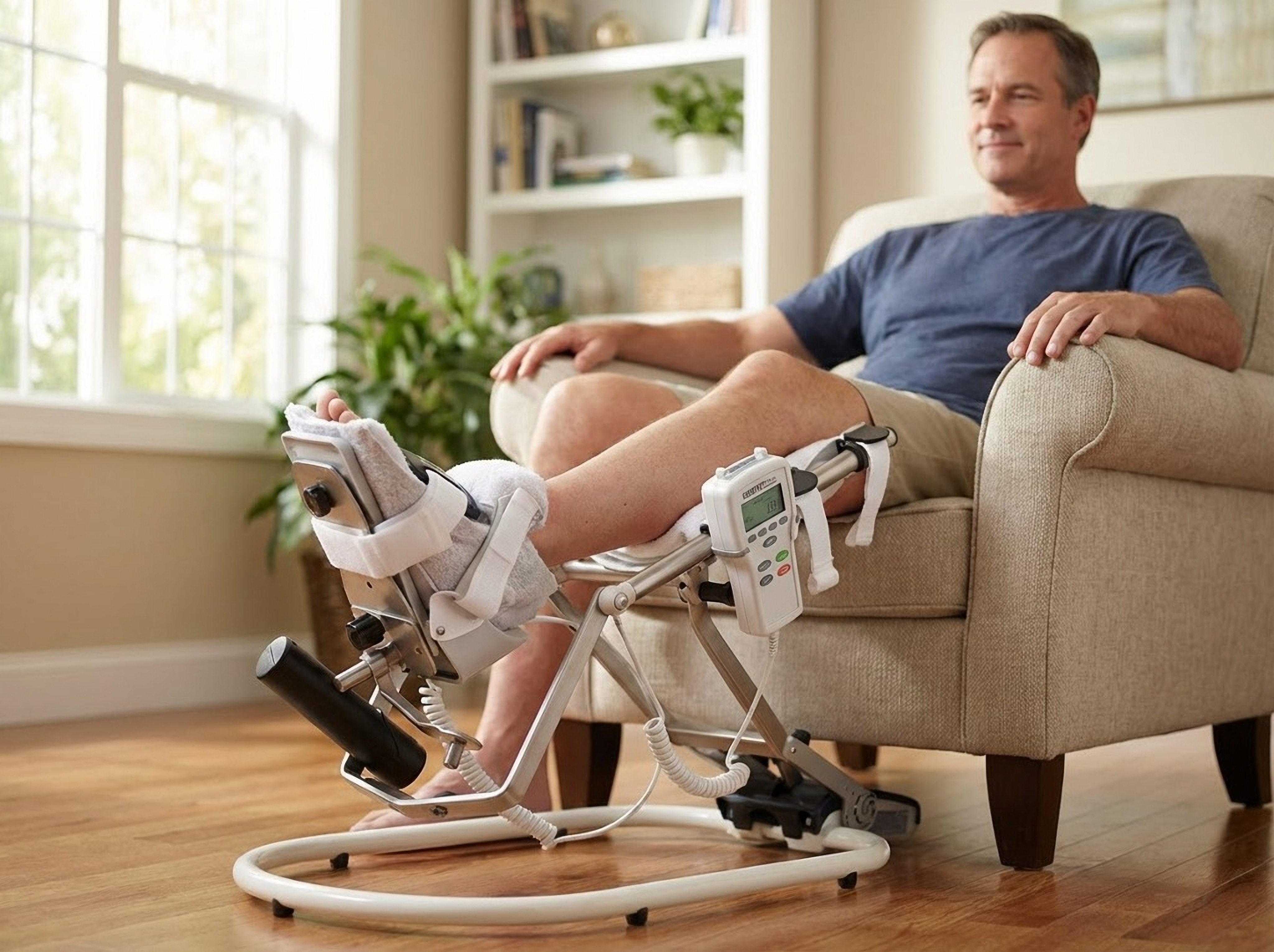
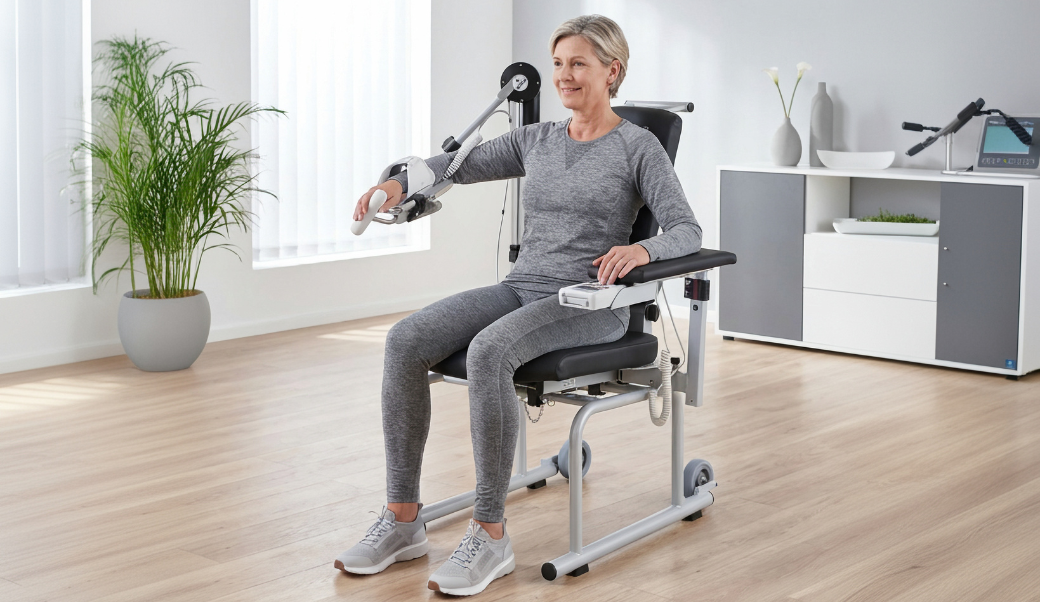
Chattanooga® CPM machines are built around joint-specific anatomical movement to help support passive rehabilitation protocols with adjustable motion, timing, and safety features.
Clinical uses for continuous passive motion may include:
Knee rehabilitation using passive flexion and extension protocols
Shoulder rehabilitation supporting multiple shoulder movement patterns (including abduction/adduction and internal/external rotation)
Elbow rehabilitation supporting flexion/extension and pronation/supination
Ankle rehabilitation supporting dorsiflexion/plantar flexion and inversion/eversion
Chattanooga® CPM systems include technical features that help make passive motion more consistent, measurable, and adaptable across patients and joints.
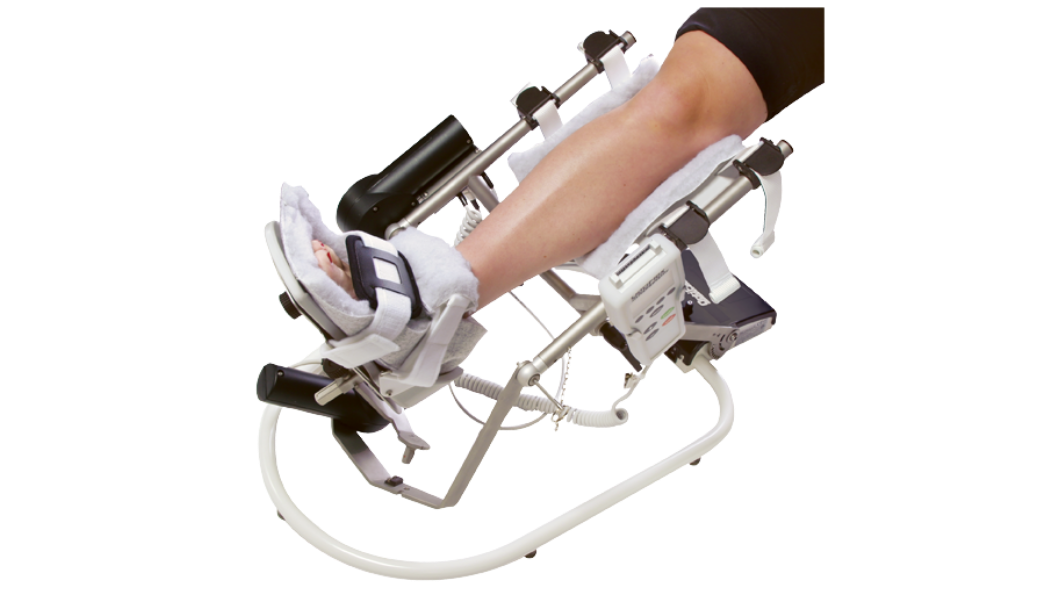
Each system is built to support anatomical movement patterns. For example, the OptiFlex Ankle CPM supports dorsiflexion/plantar flexion and inversion/eversion, while the ARTROMOT E2 focuses on elbow flexion/extension and pronation/supination.
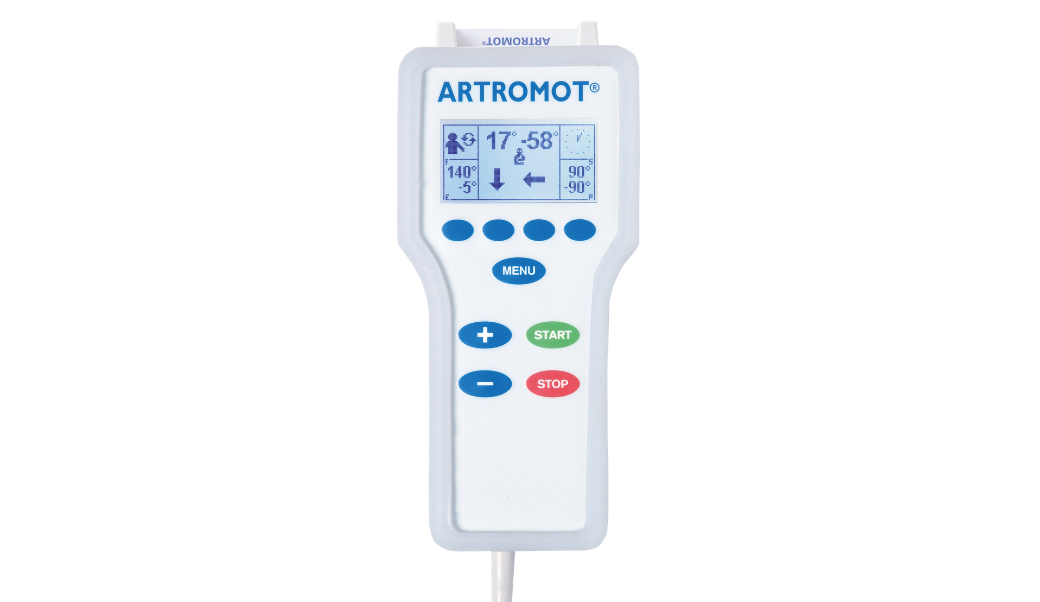
Across the CPM line, treatment sessions can be adjusted using settings such as speed, pause, and timer-based sessions, helping support repeatable setup across visits or home protocols.
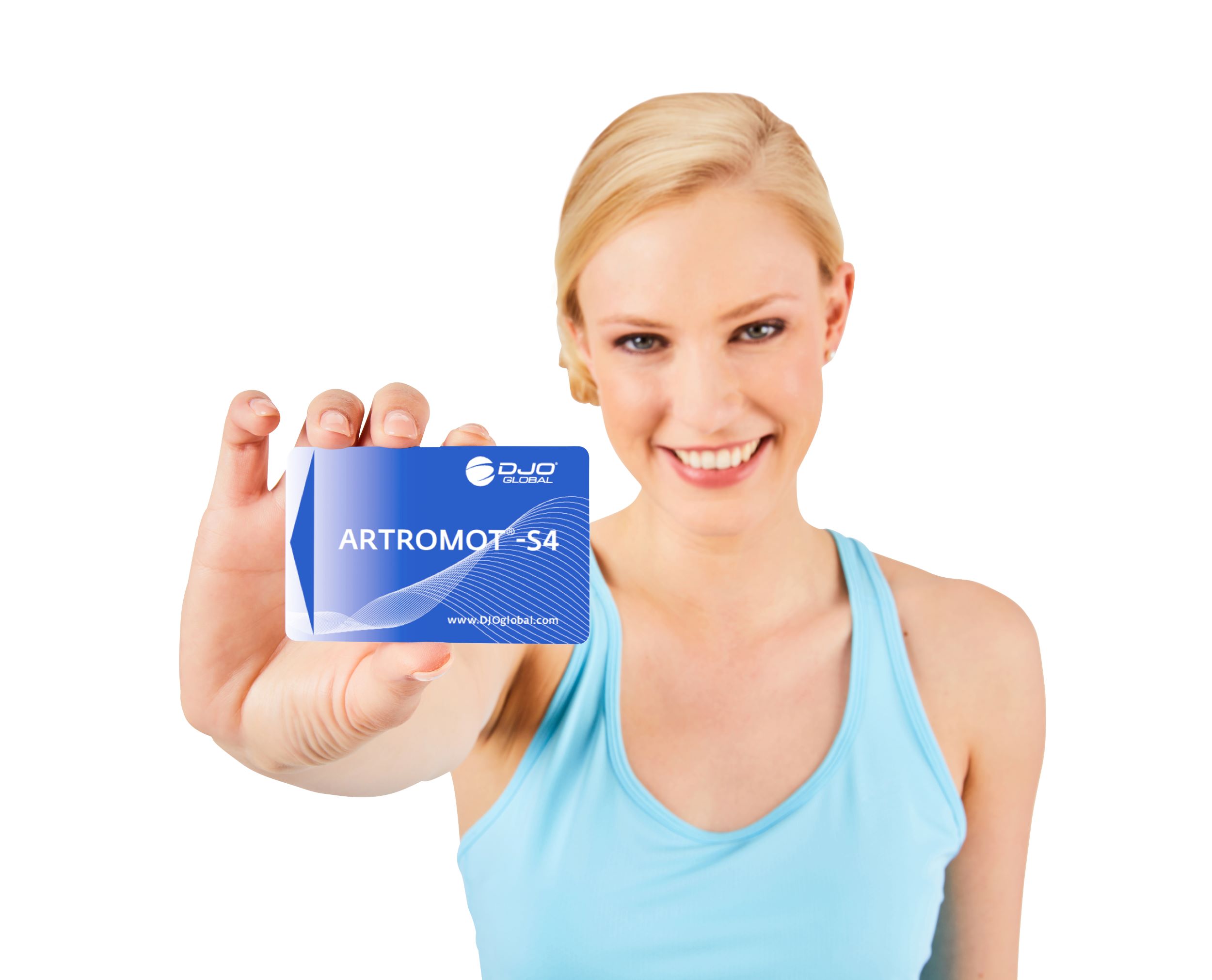
Several Chattanooga CPM systems support hand controls and patient data chip card functionality for storing treatment data and tracking compliance (depending on unit).
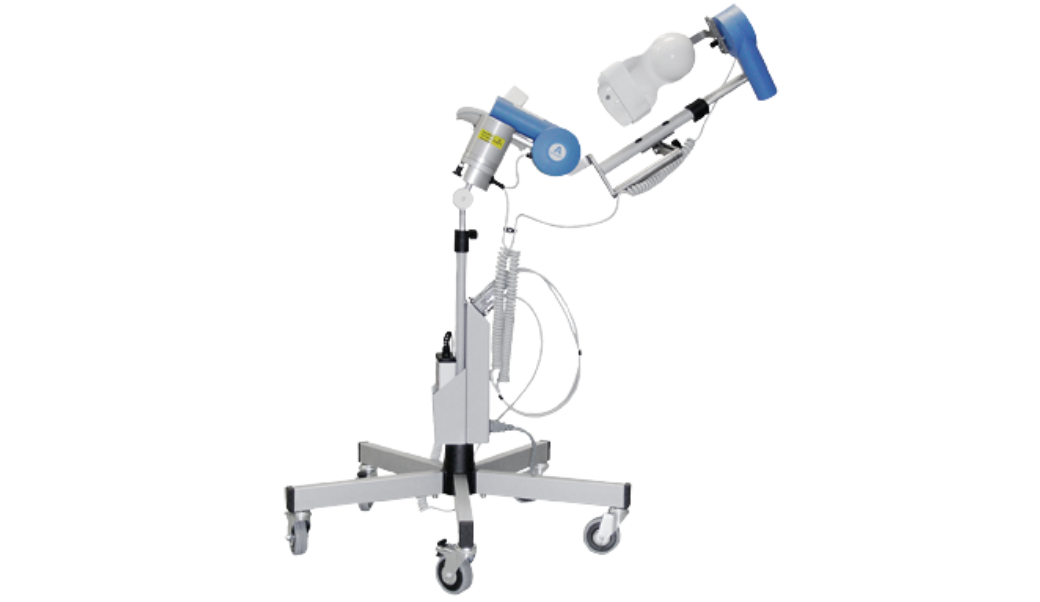
Chattanooga CPM options are built with portability in mind, including foldable or lighter-weight designs across the shoulder, elbow, ankle, and knee categories.
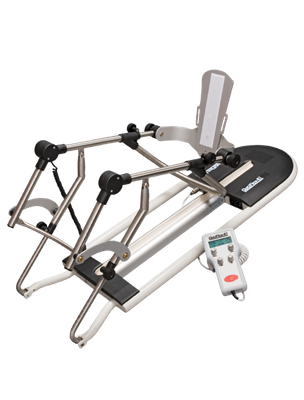
Explore Chattanooga® CPM systems designed for knee, shoulder, elbow, and ankle passive motion therapy – built for ease of use, anatomical movement, and reliable performance.
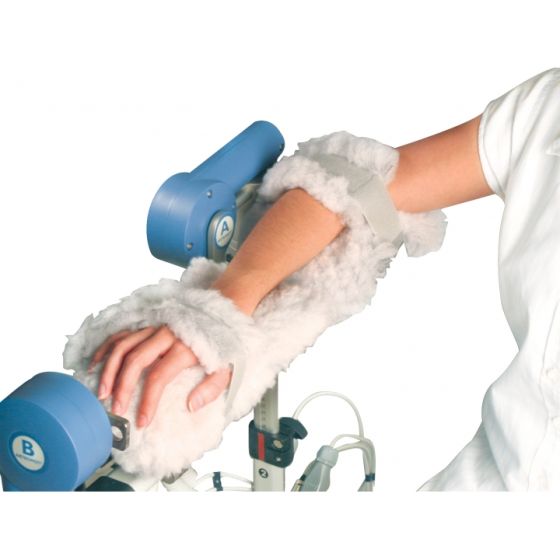
CPM is not a standalone intervention. Clinicians strategically integrate it into conservative rehabilitation programs.
Early-phase care
CPM may be introduced post-operatively to support early-stage joint mobility.
Mid- to late-phase care
Used alongside active exercise to support ongoing joint mobility.
Ongoing management
May be incorporated into home/clinic continuity under clinician guidance.
Parameter selection (range, speed, duration) should be determined by the patient’s supervising clinician.
The OptiFlex-K1 is used after knee surgeries such as total knee replacement and ACL reconstruction to gently move the joint through a controlled range of motion, helping prevent stiffness and scar‑tissue formation caused by immobilization. The unit weighs 27 lbs and features a wide low-profile closed-base frame for stability, a reversible footplate, and knee ROM from -10° to 120°.
The OptiFlex S Shoulder CPM is used to counteract the negative effects of immobilization after shoulder injury or surgery by restoring early joint mobility and promoting recovery. It features a fully adjustable chair, ergonomic arm rest, a universal left/right shoulder design, and a patient data chip card for storing treatment data.
The ARTROMOT E2 Elbow CPM is indicated for a wide range of elbow conditions including recovery from arthroscopy, arthroplasty, and exercise-stable fractures. It supports elbow flexion/extension and pronation/supination and includes an easy-to-use hand control with patient data chip card compatibility.
The OptiFlex Ankle CPM is indicated for treating a wide range of ankle injuries and postoperative conditions by providing controlled joint mobilization to support recovery. It is commonly used for sprains, arthroscopy or arthrotomy procedures, fracture management, and arthroplasties. It supports dorsiflexion/plantar flexion and inversion/eversion, includes an adjustable base for bed or chair use, and features a universal left/right design.
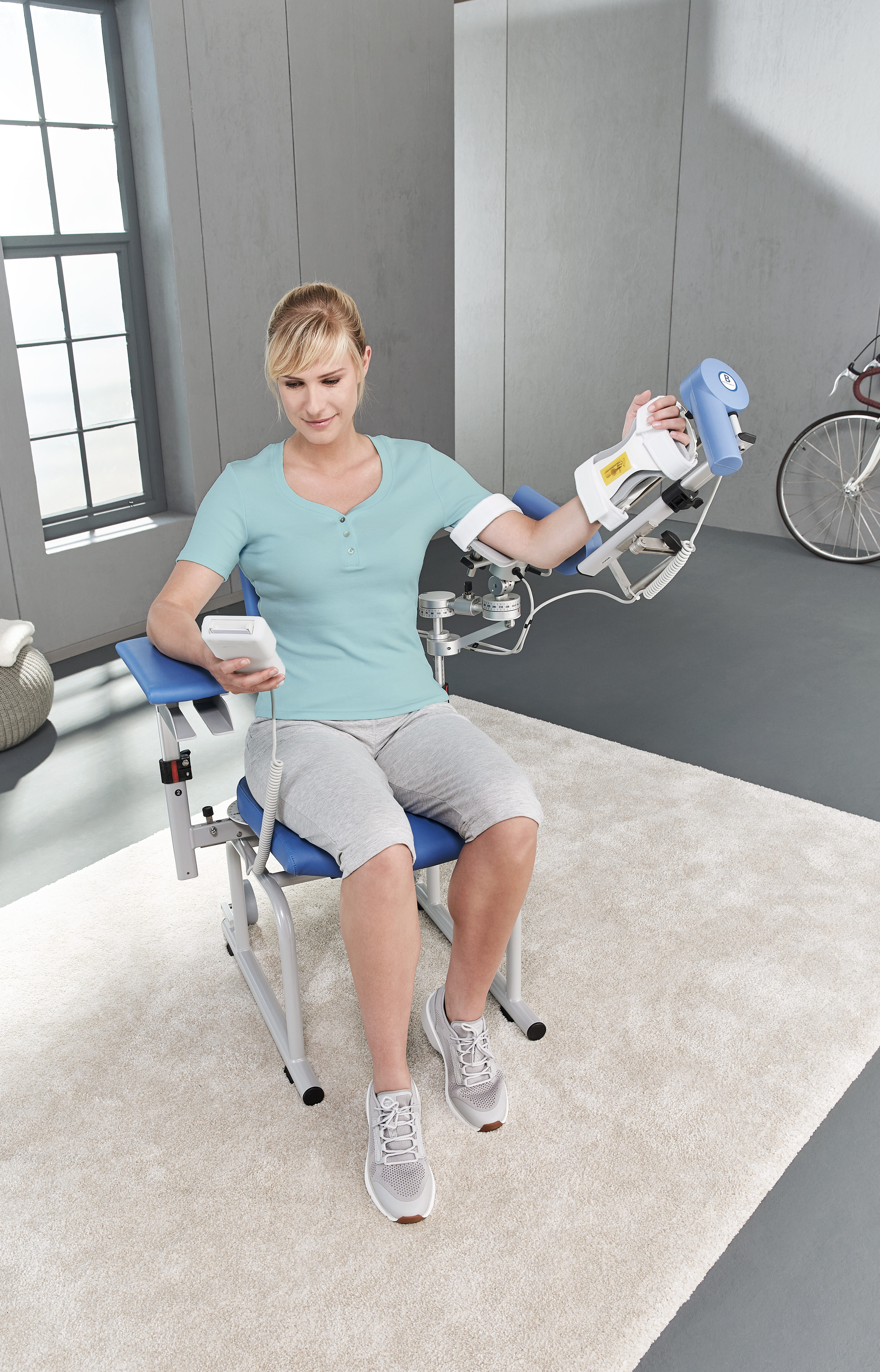
A CPM machine (continuous passive motion device) is a motorized brace that gently moves a joint through a controlled arc of motion without the patient actively contracting muscles. Continuous passive motion is used to provide passive movement to improve range of motion, reduce joint stiffness, and promote passive mobilization after injury or surgery such as arthroplasty, sprain, or fracture. The device can be adjusted for speed and duration to support passive range of motion and complement physical therapy strategies.
Using a CPM after knee surgery, particularly following total knee replacement or Anterior Cruciate Ligament (ACL) repair, is typically initiated per a surgeon’s protocol. The use of continuous passive motion is intended to restore early joint motion and help prevent stiffness and scar tissue formation. Typical regimens vary, but patients may use the device in the hospital and continue CPM use at home; this aims to improve knee function and promote passive range of motion while active range of motion exercises are introduced during rehabilitation.
The benefits of CPM include facilitating gentle passive mobilization and supporting early knee range of motion following knee replacement surgery. Clinical practice often utilizes CPM machines after total knee replacement to reduce stiffness and support joint range of motion when combined with physical therapy. While individual responses vary, the device is intended to help restore joint motion during the initial management of total knee arthroplasty rehabilitation.
Passive motion machines may be prescribed for shoulder and elbow rehabilitation, when controlled passive mobilization is desirable to protect repairs while maintaining motion. Use of CPM devices may aid elbow motion and shoulder range of motion in patients with reconstructive surgery. The decision to use a shoulder CPM or knee CPM machine depends on the surgical procedure and the patient’s overall rehabilitation plan.
While CPM machines are generally safe when used as directed, contraindications include acute inflammatory processes in the joints, unless on the order of a physician; spastic paralysis; or unstable osteosynthesis. Use should be integrated with supervised physical therapy and/or a surgeon-directed management plan to optimize outcomes for long-term recovery.
Continuous passive motion devices are powered passive exercise equipment intended to support joint mobility by providing controlled, passive movement within a prescribed range of motion. CPM is used under clinician direction as part of post-surgical or conservative rehabilitation programs.
Devices support knee, shoulder, ankle, and elbow motion depending on model and cleared indications. Selection is based on clinical needs, device labeling, and clinician judgment.
CPM is passive. The device moves the joint through a prescribed range of motion (ROM) while the patient remains relaxed, without active muscle contraction. It is distinct from active exercise where the patient generates the force.
CPM is integrated alongside therapeutic exercise, manual therapy, and functional training as an adjunct to support joint mobility within a broader plan of care. It is not intended as a standalone intervention.
Session duration varies based on the specific joint, clinical intent, and clinician judgment. Treatment times are determined by the provider according to patient response and care plan goals rather than a fixed universal protocol.
In post-surgical settings, CPM may be used as part of conservative care to support joint motion restoration. Integration timing and protocol selection should be determined by clinician judgment.
Yes. Contraindications vary by device but generally include acute inflammatory processes in the joints, spastic paralysis, or unstable osteosynthesis. Clinicians must review all contraindications, warnings, and precautions in the device user manual before application.
Yes. Chattanooga® CPM devices are prescription devices intended for use by or on the order of a physician or licensed healthcare professional.
Yes. Certain CPM devices are designed for patient use in the home environment under clinician guidance or prescription. These units support joint motion between clinic visits as part of a supervised conservative care plan.
CPM facilitates controlled joint motion to support progression through rehabilitation phases. It allows clinicians to provide mobilization to patients who may not yet be cleared for active contraction or who require frequent mobilization intervals.
Buyers typically assess joint specificity, programmability, patient comfort features (such as the CPM pad kit), and portability.