

Total Items
0
0 Item(s)
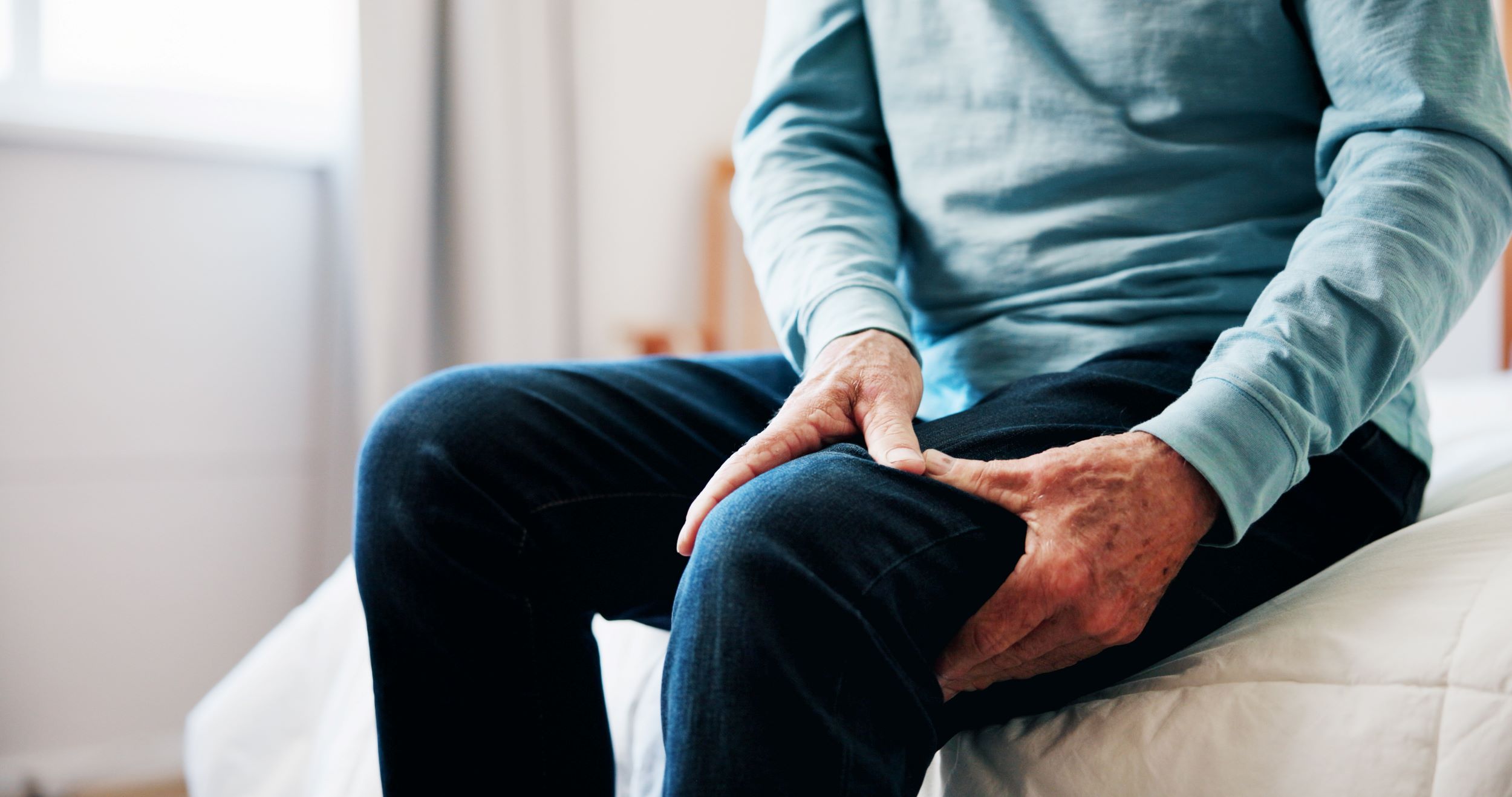
Osteoarthritis (OA) is a common joint condition characterized by changes in cartilage and joint structures over time. It often affects the knee and hip and may also commonly involve the hand and spine. Clinical presentation varies by joint, symptom behavior, and functional demands. In rehabilitation settings, OA is commonly managed through conservative plans of care that emphasize therapeutic exercise, movement, patient education, and symptom management. Chattanooga® provides rehabilitation technologies that clinicians may integrate as adjuncts to support OA conservative care workflows, including LightForce® laser therapy, Intelect® radial pressure wave devices, and Intelect® electrotherapy devices.
Patients with osteoarthritis commonly present with a combination of joint-related symptoms and functional limitations that influence rehabilitation planning, visit structure, and exercise tolerance. Presentation may vary by joint involved, disease stage, and individual activity demands. Common symptoms and functional considerations include:
Joint pain associated with osteoarthritis is typically located to the affected joint and may be described as aching, throbbing, or sharp with movement. Symptoms often increase with weight-bearing activities, repetitive loading, prolonged standing, or higher-demand tasks and tend to ease with rest or reduced activity.
Stiffness is commonly reported after periods of inactivity, such as first thing in the morning or after prolonged sitting. The stiffness tends to improve gradually with gentle movement or light activity.
Osteoarthritis can lead to progressive reductions in joint range of motion. Patients may experience difficulty achieving full flexion or extension, along with decreased activity tolerance during tasks that require repetitive or sustained movement.
Muscle weakness or neuromuscular inhibition from osteoarthritis can affect joint stability and movement control, particularly during dynamic or weight-bearing tasks.
Functional limitations with gait, stair negotiation, transfers, lifting, work tasks, and recreational activities often emerge as pain, stiffness, reduced mobility, and weakness, interfering with daily activities.
These symptoms may fluctuate over time and can influence a patient’s ability to participate fully in therapeutic exercise and functional training.
In osteoarthritis rehabilitation, modalities are not standalone treatments. Clinicians may integrate technologies as adjuncts to support symptom management, session readiness, and participation in active rehabilitation within a conservative plan of care. Modality selection, timing, and parameters should be determined by the supervising clinician.
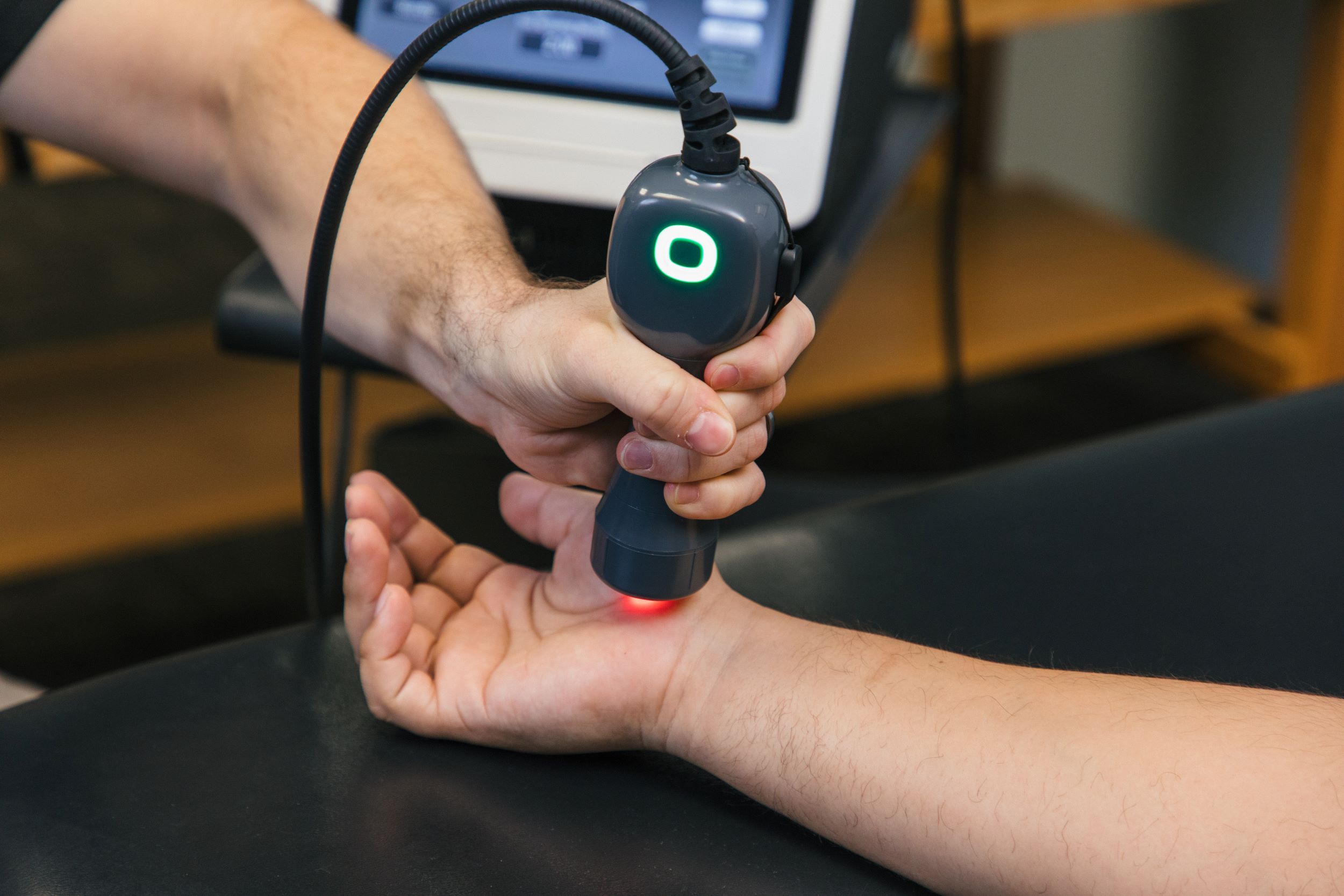
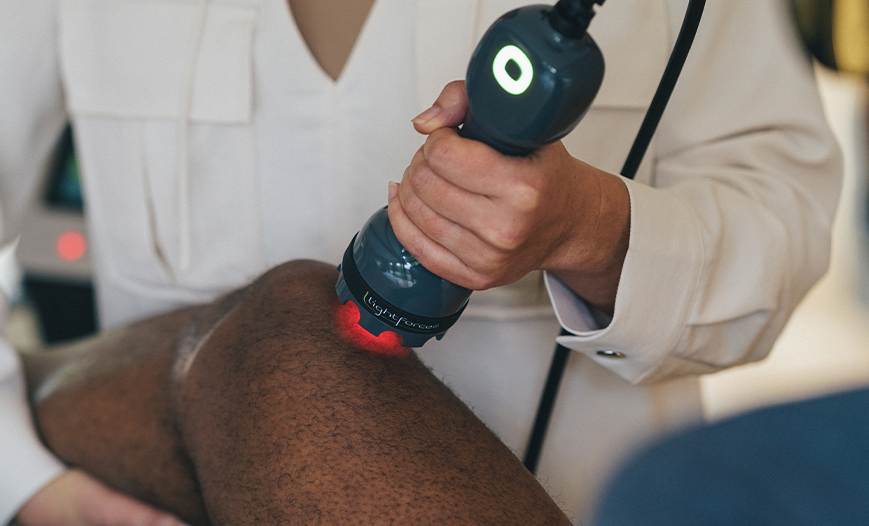
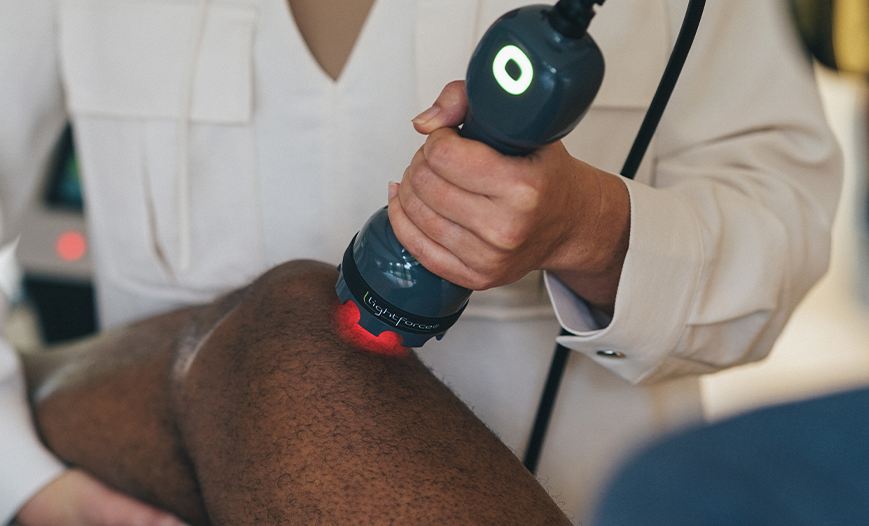
LightForce® laser therapy is indicated to provide topical heating to elevate tissue temperature for the temporary relief of minor muscle and joint pain and stiffness, minor arthritis pain, or muscle spasm; to temporarily increase local blood circulation; and to temporarily relax muscle.
In OA rehabilitation workflows, clinicians may use laser therapy as an adjunct to help relieve pain and stiffness that could otherwise limit tolerance for therapeutic exercise, manual therapy, or functional retraining. Laser therapy may be incorporated early in a session or around activity progression to support patient comfort and participation in the therapy program.
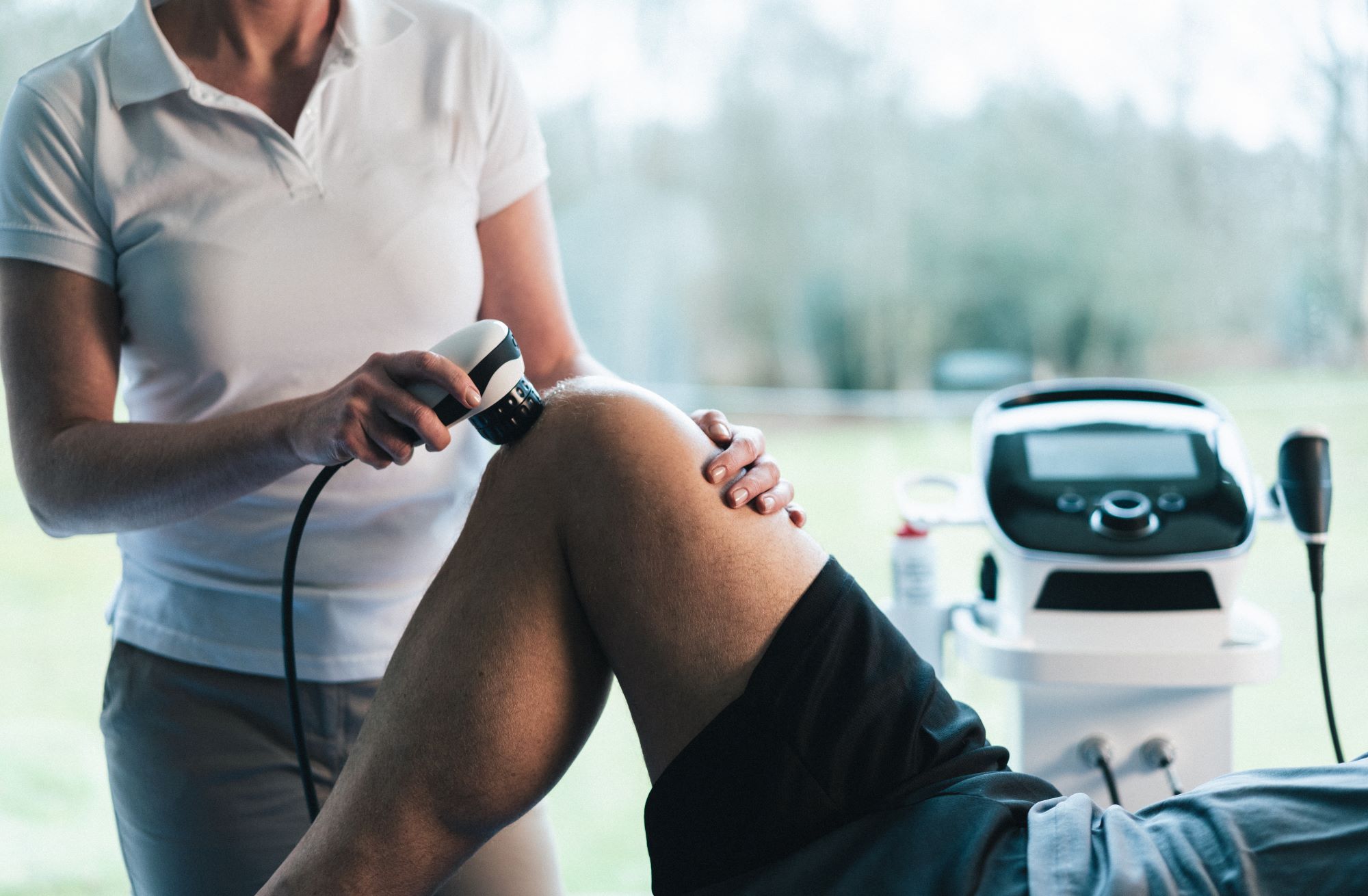
The Intelect® RPW 2 and Intelect® Mobile 2 RPW systems are intended to help reduce muscle pain and aches, temporarily increase blood flow, and activate connective tissue.
For patients with OA, clinicians may consider radial pressure wave therapy as an adjunct when periarticular muscle pain, soft-tissue restrictions, or regional tolerance affects movement quality or exercise participation. Radial pressure wave therapy may be integrated into conservative workflows to support pain relief and functional improvement, with parameters and treatment timing determined by the supervising clinician.
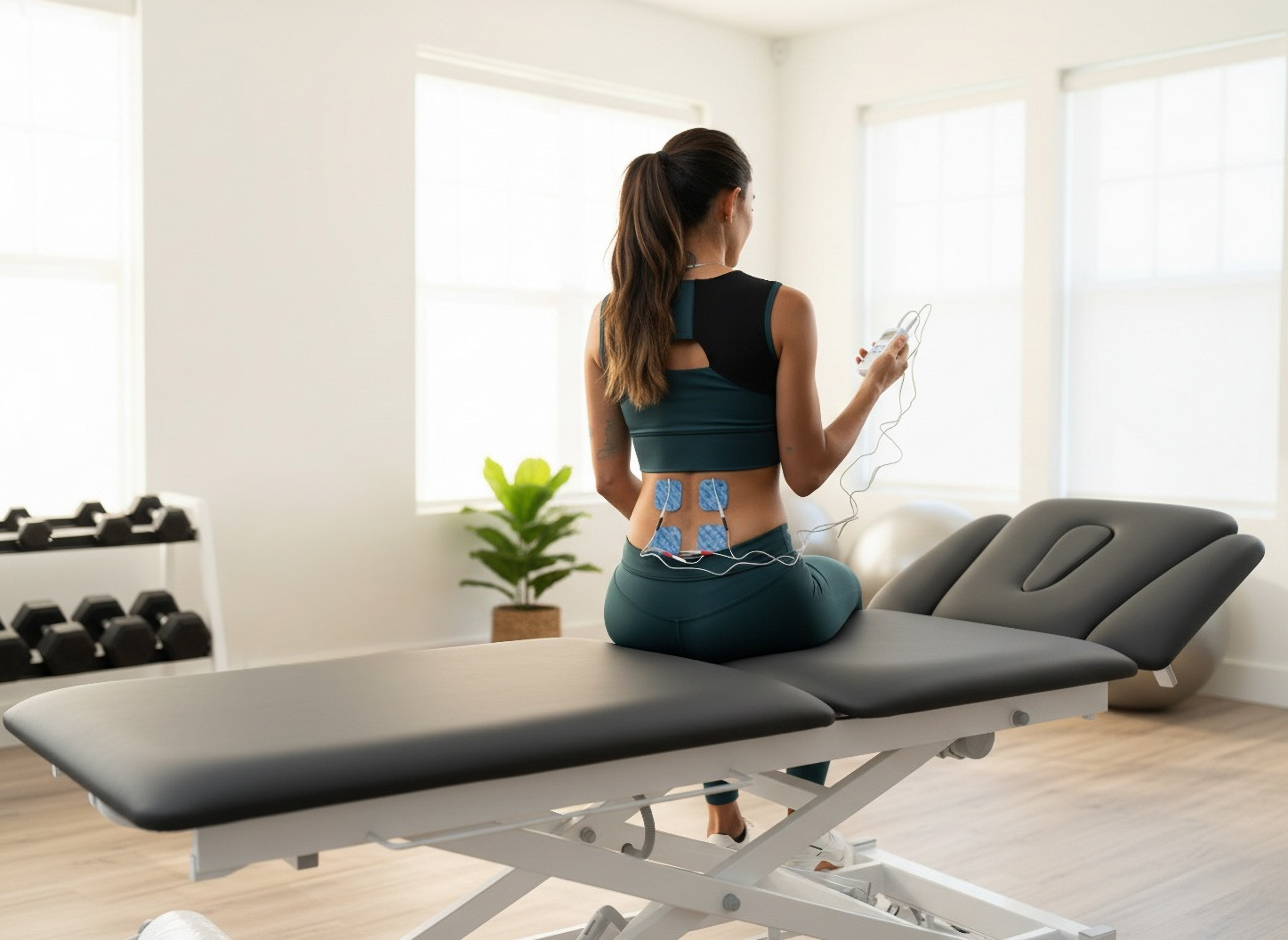
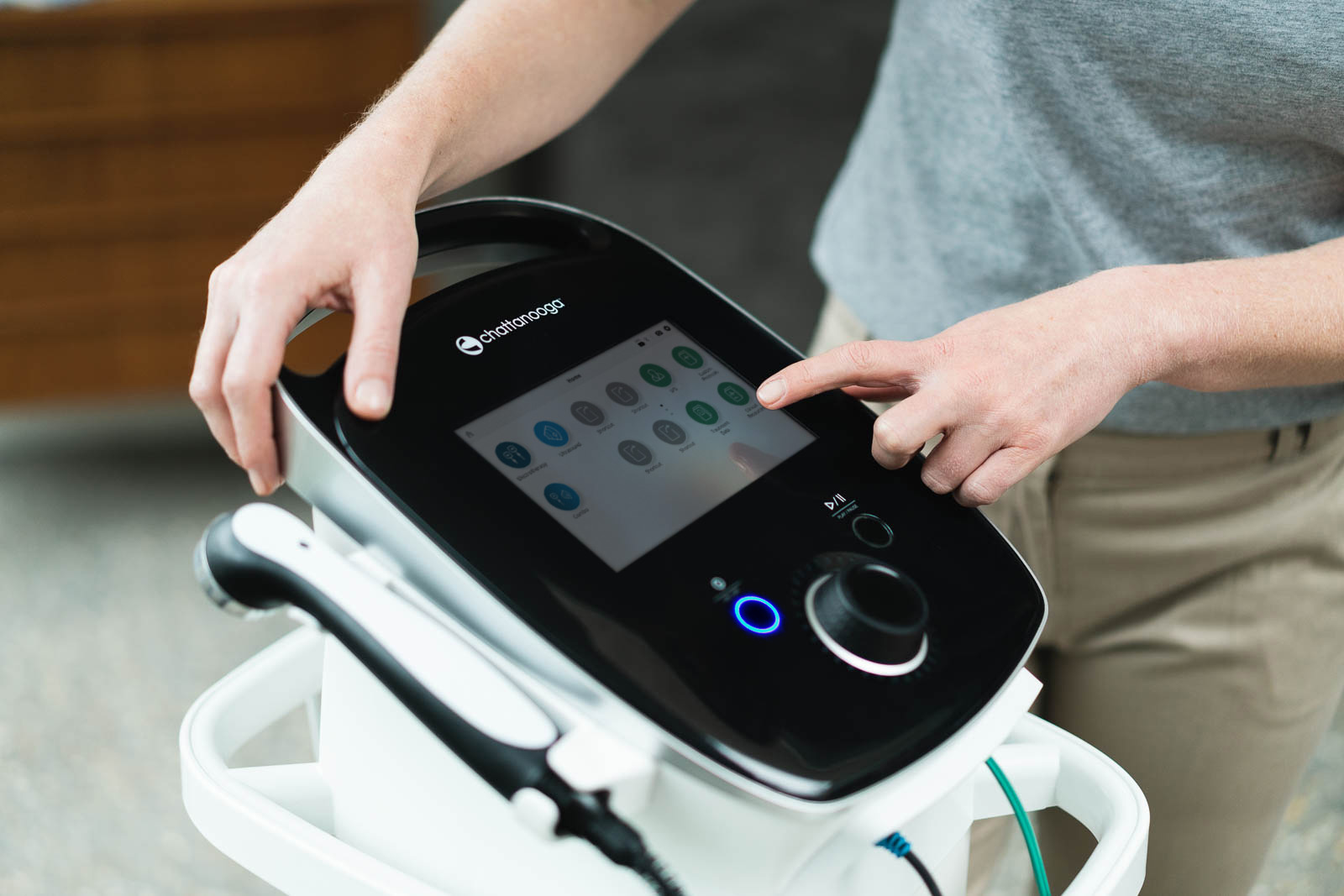
Electrotherapy may be integrated into OA rehabilitation based on clinical goals and patient needs. Depending on configuration and waveform, electrotherapy indications include muscle spasm relaxation, prevention or retardation of disuse atrophy, increased local blood circulation, muscle re-education, maintenance or increase of range of motion, and symptomatic relief and management of chronic, intractable pain or post-traumatic or post-surgical acute pain.
In OA care, clinicians may use electrotherapy as an adjunct to support neuromuscular activation, manage pain symptoms, or assist with muscle re-education when joint-related symptoms limit voluntary movement or exercise tolerance.
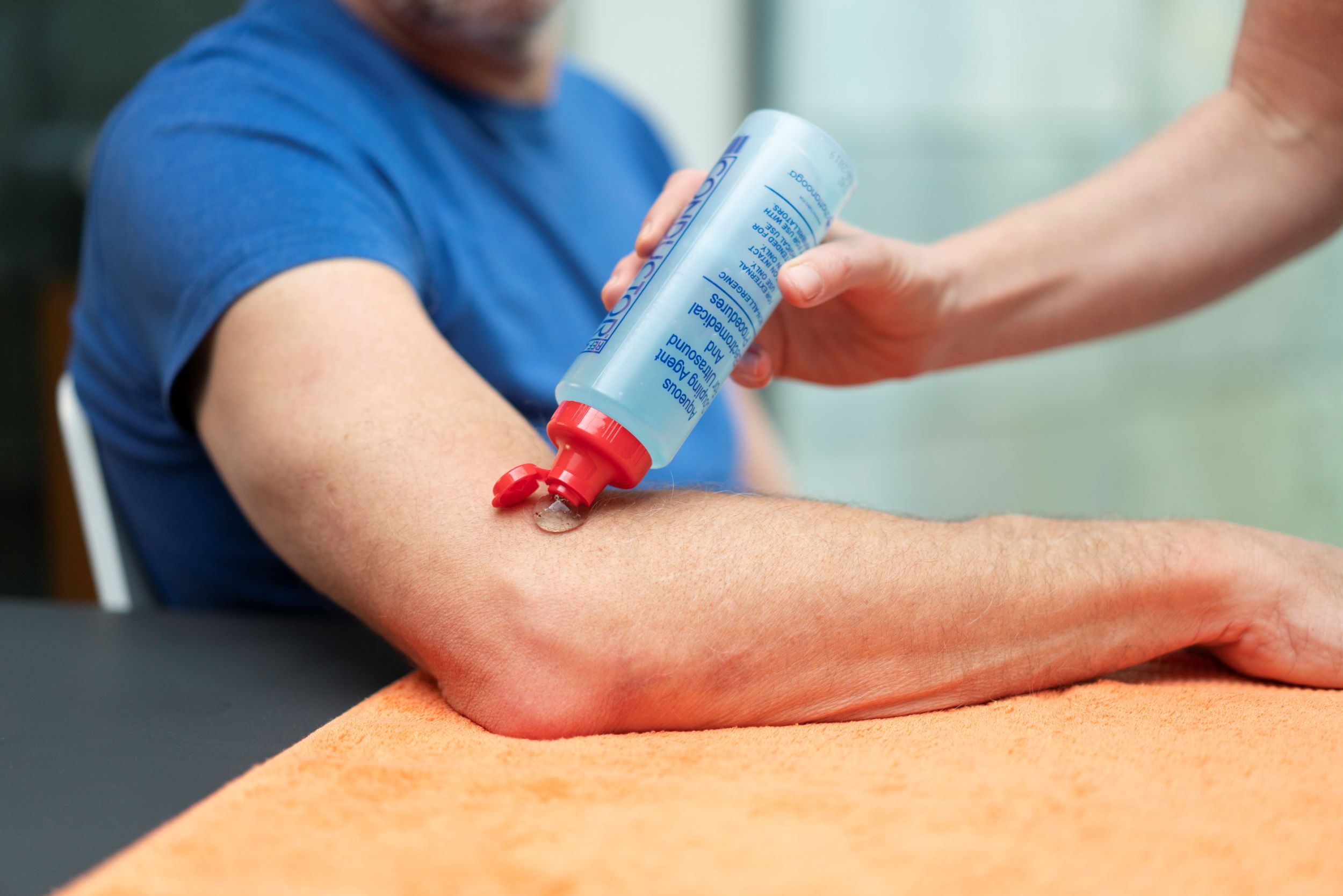
Therapeutic ultrasound is indicated for the application of deep heat to selected sub-chronic and chronic medical conditions, including relief of pain, muscle spasms, and joint contractures.
In OA rehabilitation workflows, clinicians may integrate ultrasound when deep heating is selected to support symptom management or tissue extensibility as part of a broader conservative care plan.
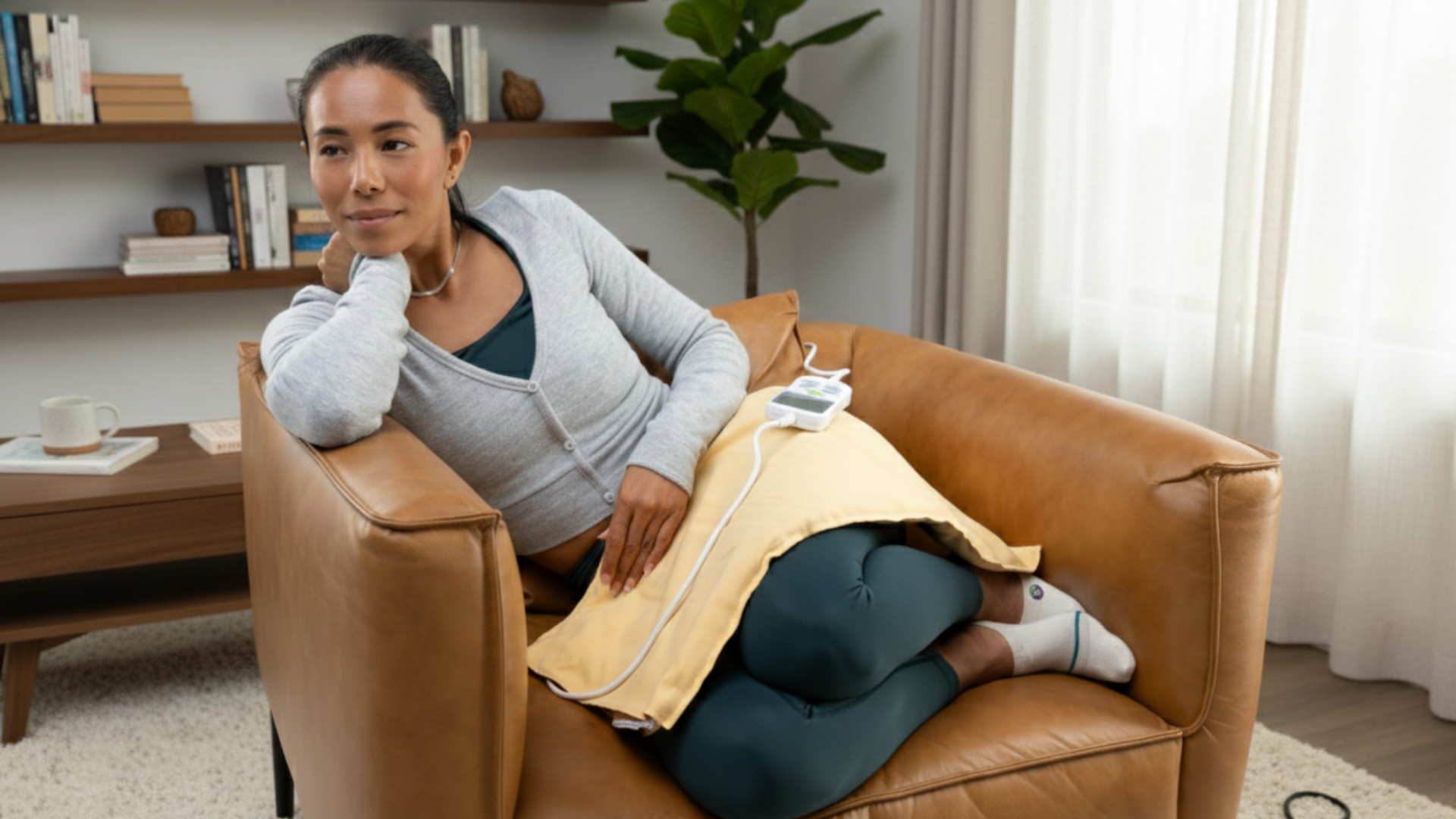
Hot and cold therapy products support conservative OA workflows by providing superficial heat or cold therapy for body surfaces, used adjunctively based on clinician preference and patient response.
Products such as HotPacs®, ColPacs®, Hydrocollators®, and Theratherm® should be integrated and utilized at the clinician’s discretion to support patient comfort and participation during rehabilitation visits.
Renowned researcher, professor of Physical Therapy at the University of Delaware, and internationally recognized expert in tendon and joint dysfunctio...
Watch On-Demand
![[eBook] Shedding Light on Knee Osteoarthritis Management: How High-Intensity Laser Therapy Can Impact Results](/us/sites/default/files/2026-03/Knee%20OA%20Social%20Graphics-03.png "[eBook] Shedding Light on Knee Osteoarthritis Management: How High-Intensity Laser Therapy Can Impact Results")
![[eBook] From Research to Relief: Applying Shockwave and Laser Therapy to Common Conditions](/us/sites/default/files/2026-03/CHATT_Q225%20Research%20eBook_Social%20Graphics-03.png "[eBook] From Research to Relief: Applying Shockwave and Laser Therapy to Common Conditions")