

Total Items
0
0 Item(s)
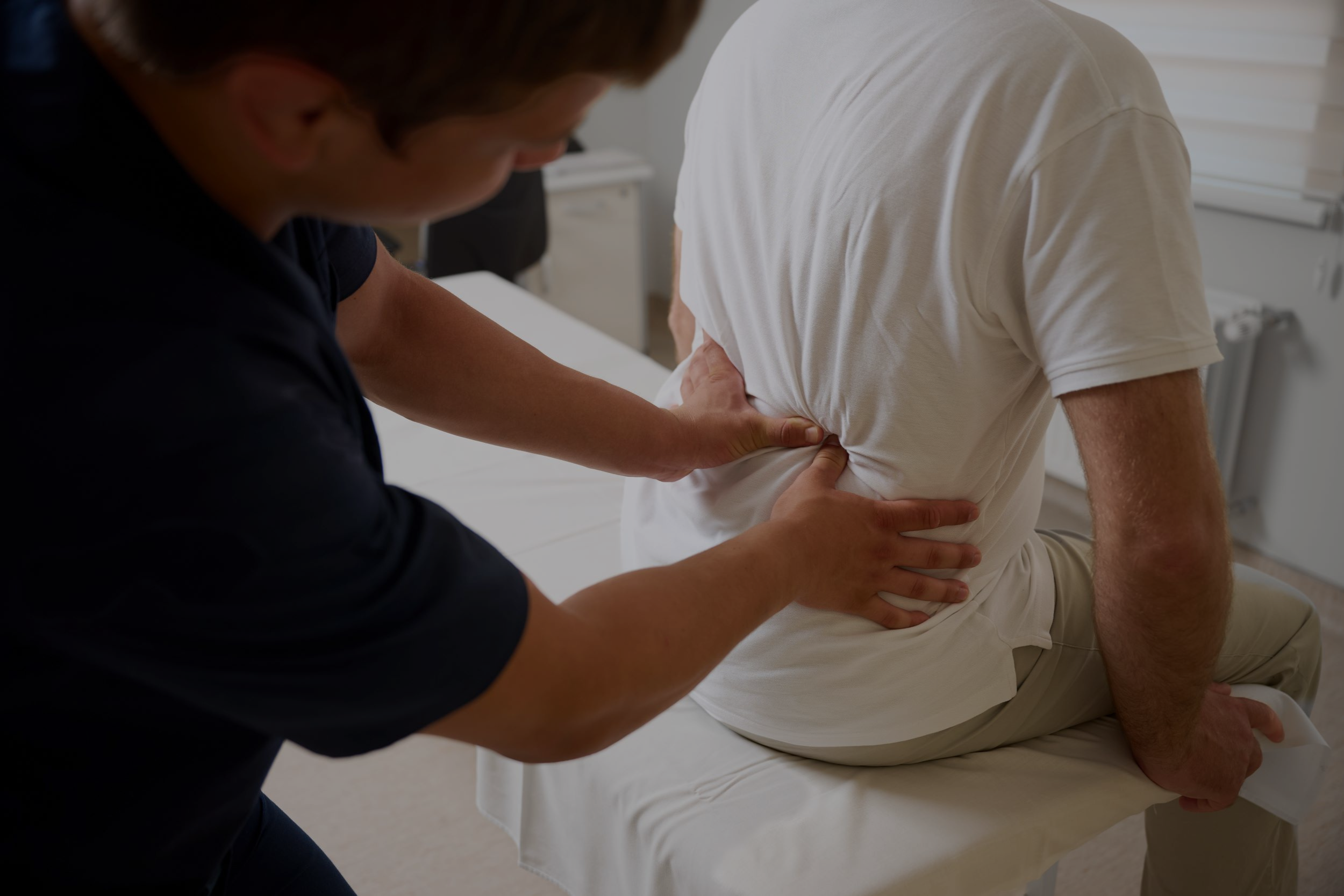
Spinal disorders encompass conditions affecting the cervical, thoracic, and lumbar spine, often resulting in pain, stiffness, reduced mobility, or neuromuscular limitations. Clinicians can manage these conditions using conservative, non-invasive approaches that emphasize patient safety and better patient outcomes.
Chattanooga® provides modalities and devices designed to support conservative rehabilitation workflows for spinal disorders. These tools are used as adjuncts within broader plans that include therapeutic exercise, manual therapy, and functional progression.
Spinal disorders may present with symptoms that impact comfort, mobility, and participation in daily activities, such as:
Neck pain may limit range of motion, posture tolerance, and functional activity. Conservative rehabilitation may focus on symptom modulation and improving movement tolerance within clinician-directed care plans.
Back pain may affect mobility, lifting tolerance, and daily function. Clinician-directed conservative rehabilitation often prioritizes restoring safe movement patterns and supporting functional progression.
Muscle spasms may contribute to guarding, pain, and reduced movement tolerance. Conservative care plans may include adjunctive modalities to support temporary symptom relief and improve participation in rehabilitation.
Stiffness may reduce mobility and limit activity tolerance. Clinicians may incorporate conservative strategies to support comfort and progression through movement-based rehabilitation.
Restricted cervical or lumbar motion may interfere with functional movement, posture, and exercise performance. Conservative management commonly emphasizes clinician-directed progression to support mobility and functional goals.
Some spinal disorders may involve persistent pain that impacts daily activity and rehabilitation participation. Clinicians may integrate adjunctive modalities within broader conservative plans focused on functional improvement.
Following injury, acute pain may limit movement tolerance and activity. Conservative rehabilitation plans may incorporate pain management strategies to support safe progression.
After surgical intervention, symptoms may include pain and mobility limitation that can affect early rehabilitation. Clinician-directed conservative care may support recovery progression based on presentation and approved indications.
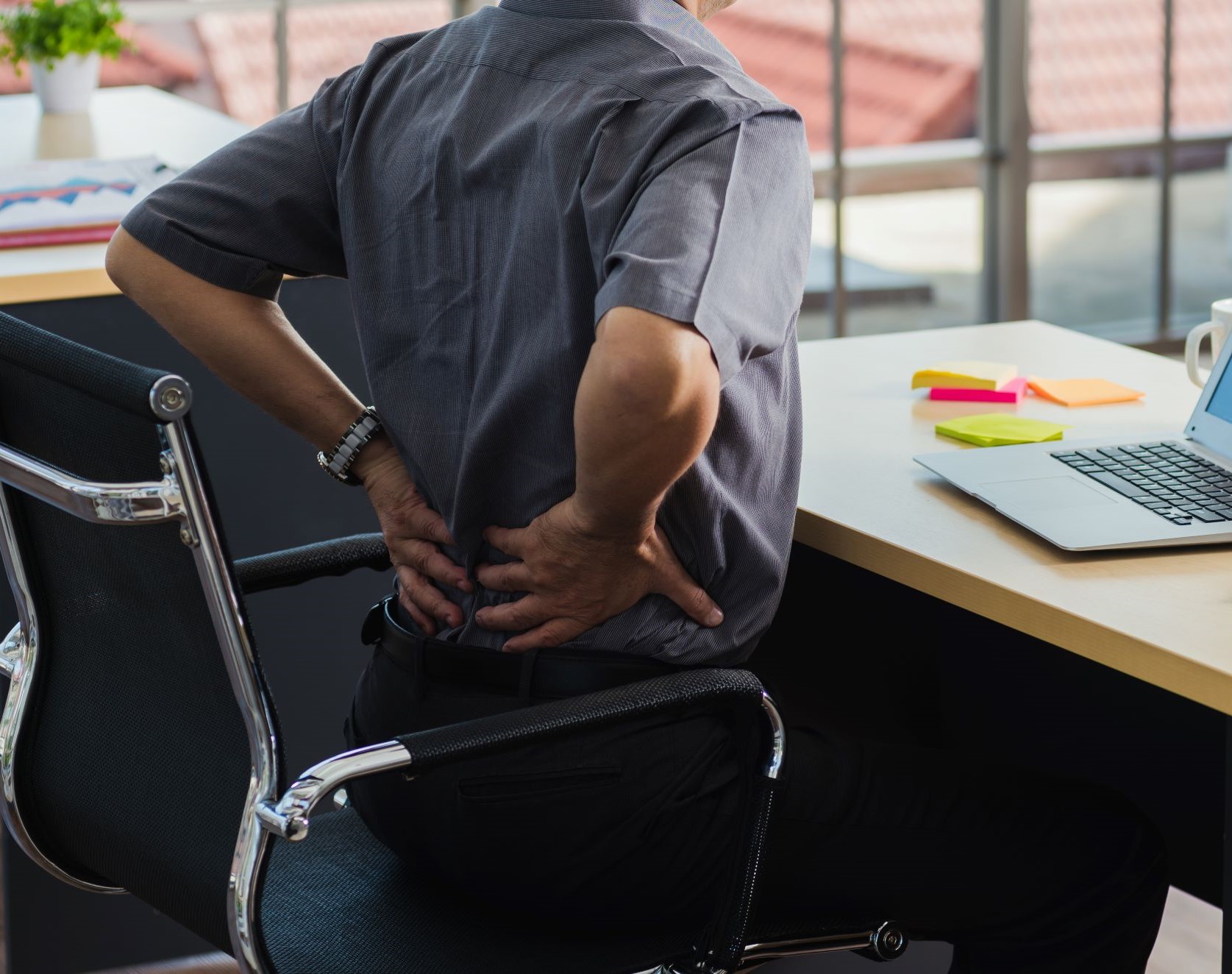
Conservative management prioritizes non-invasive, non-pharmaceutical interventions. Chattanooga® supports these workflows through modalities that may be integrated adjunctively to support pain relief and clinician-directed rehabilitation.
Key Chattanooga® solutions include:
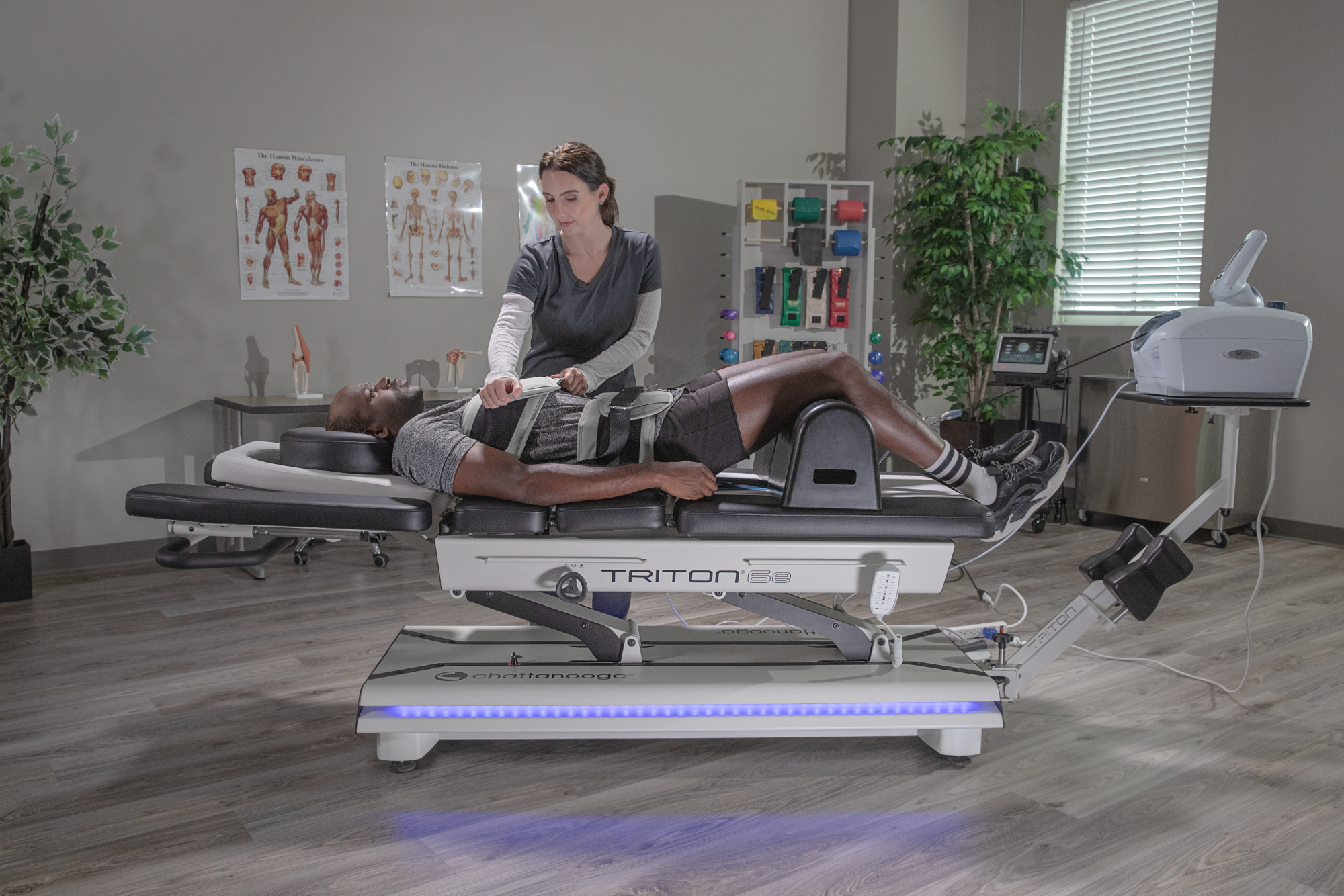
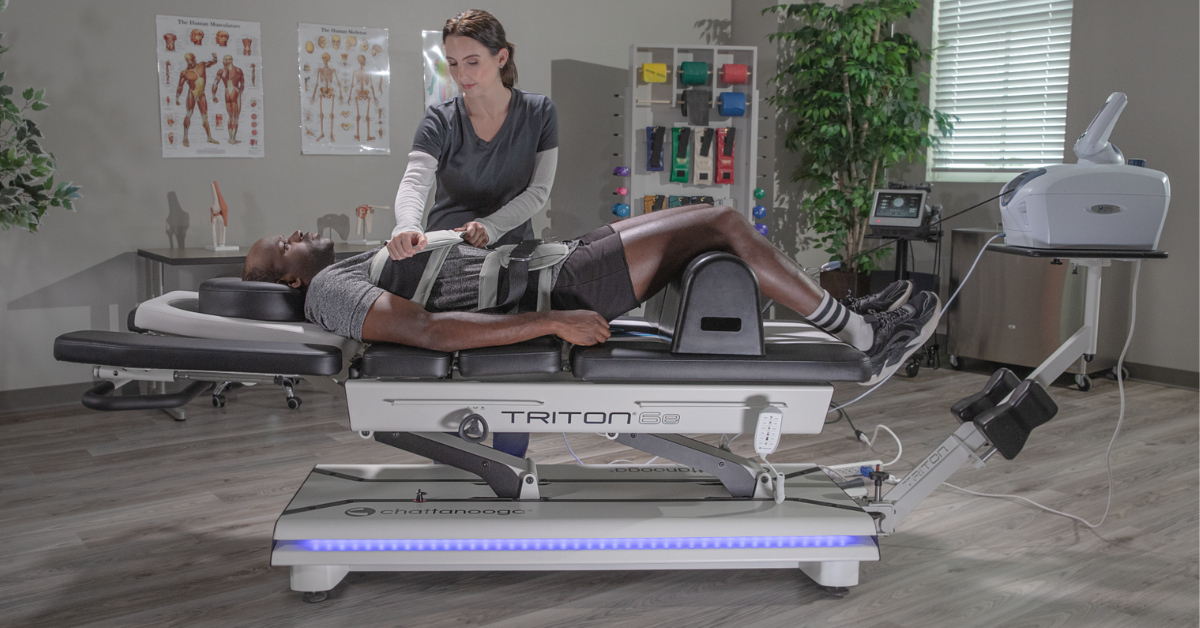
Triton® DTS and Galaxy TTET tables support spinal traction treatments by providing traction and mobilization of skeletal structures and muscles. Clinicians may use static, intermittent, progressive, regressive, and cycling distraction forces to help relieve pressure on structures that may be contributing to neck or back discomfort and mobility limitations.
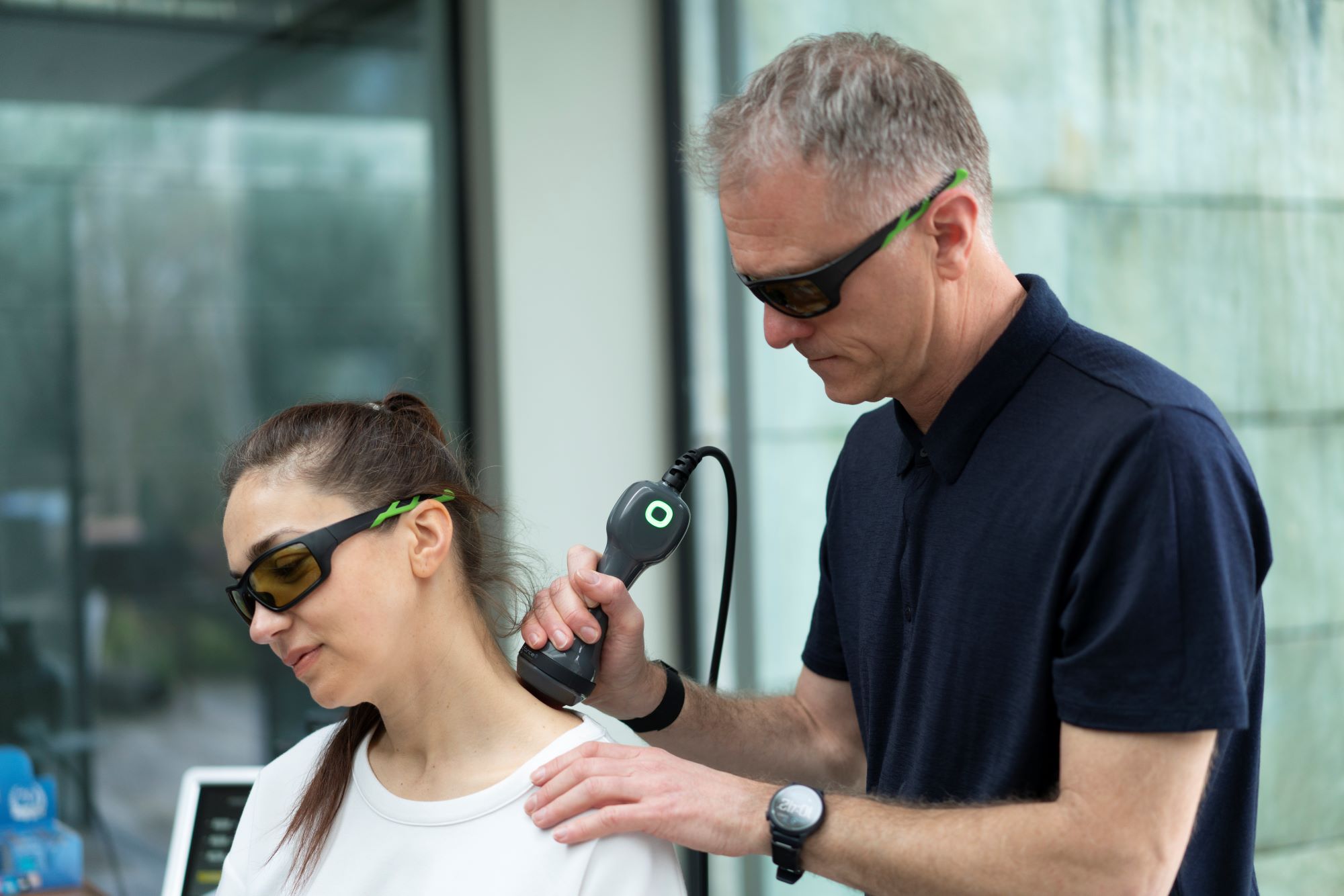
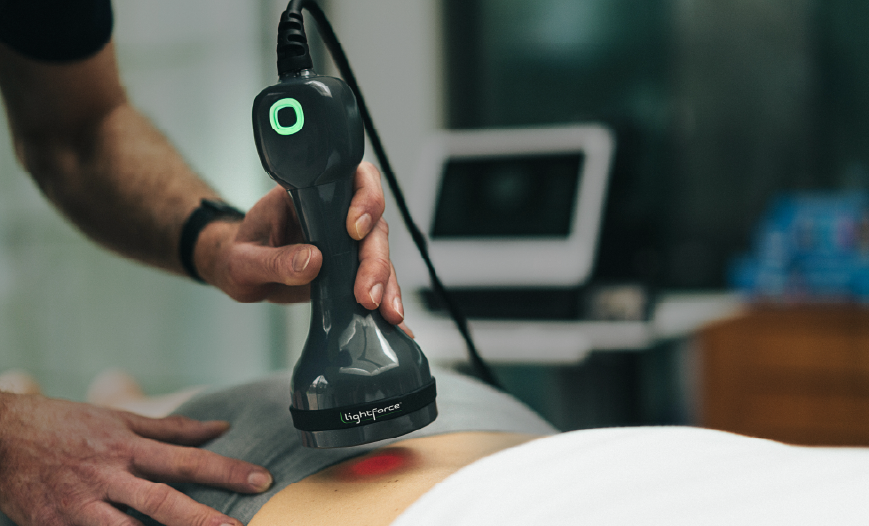
LightForce® therapy lasers provide topical heating that may support spinal rehabilitation by helping with the temporary relief of minor muscle and joint pain and stiffness, minor arthritis pain, or muscle spasms. LightForce laser therapy is also indicated for a temporary increase in local blood circulation and temporary relaxation of muscles, which may help reduce barriers to movement and participation in spine-focused rehabilitation programs.
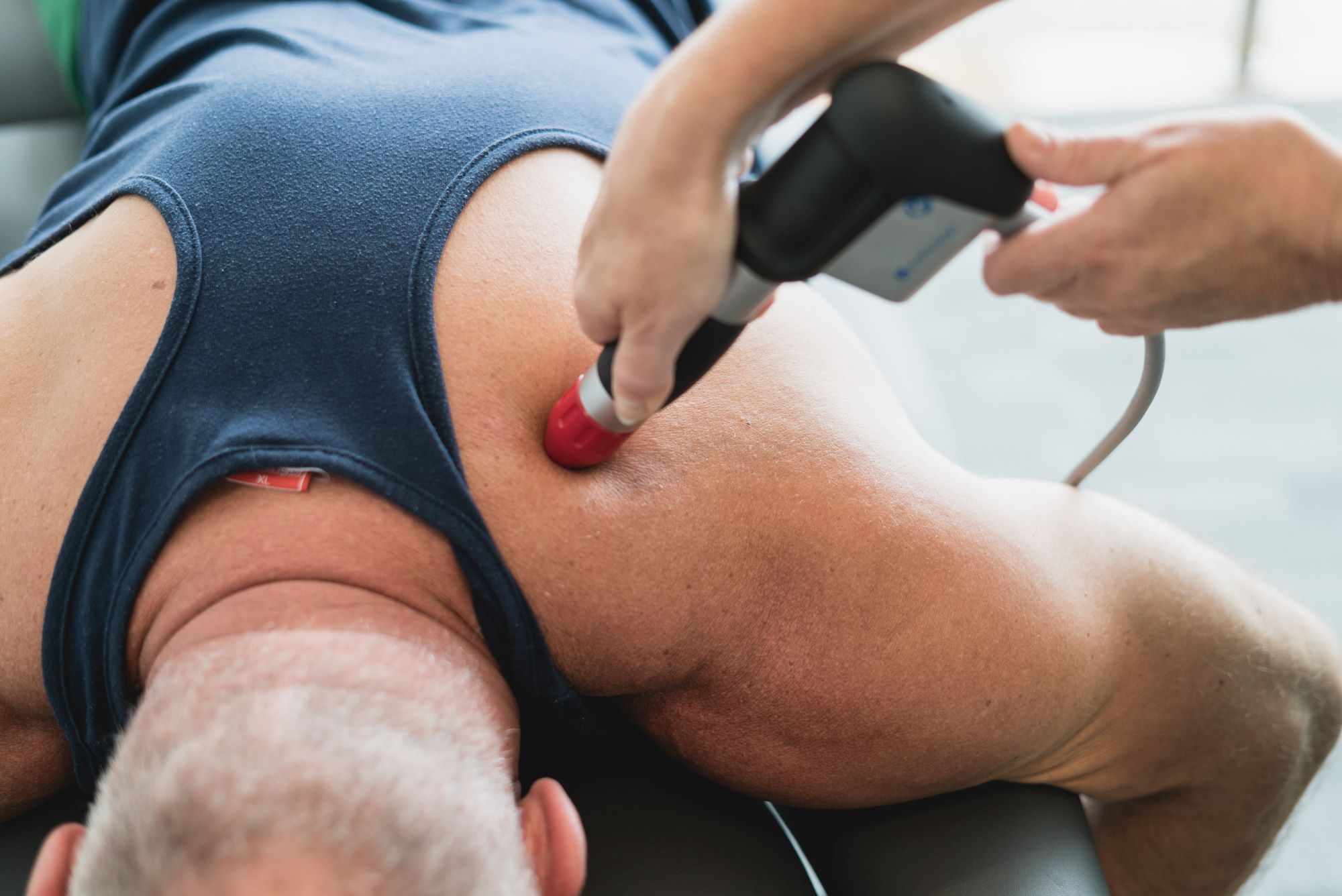
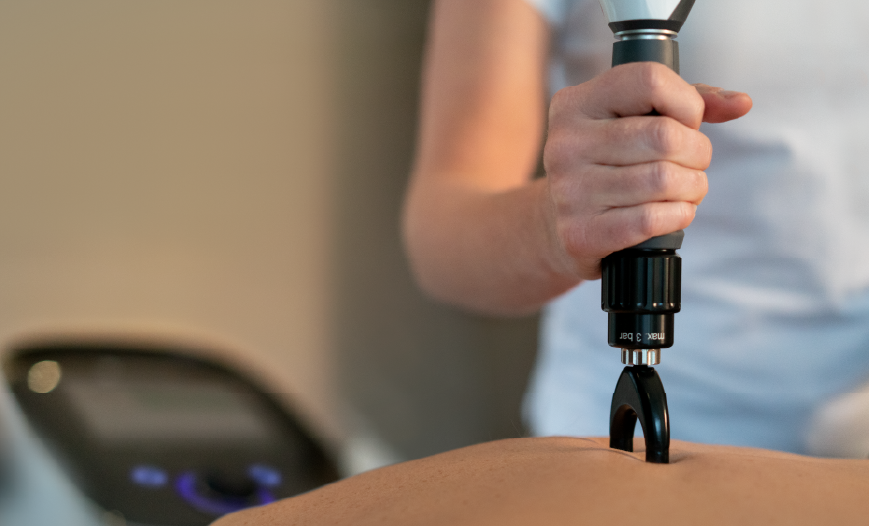
The Intelect® RPW 2 and Intelect® Mobile 2 RPW are intended to reduce muscle pain and aches, temporarily increase blood flow, and activate connective tissue. In spinal rehabilitation programs, clinicians may apply RPW to surrounding soft tissue areas (as clinically appropriate) to support mobility tolerance and pain management as part of a broader plan of care.
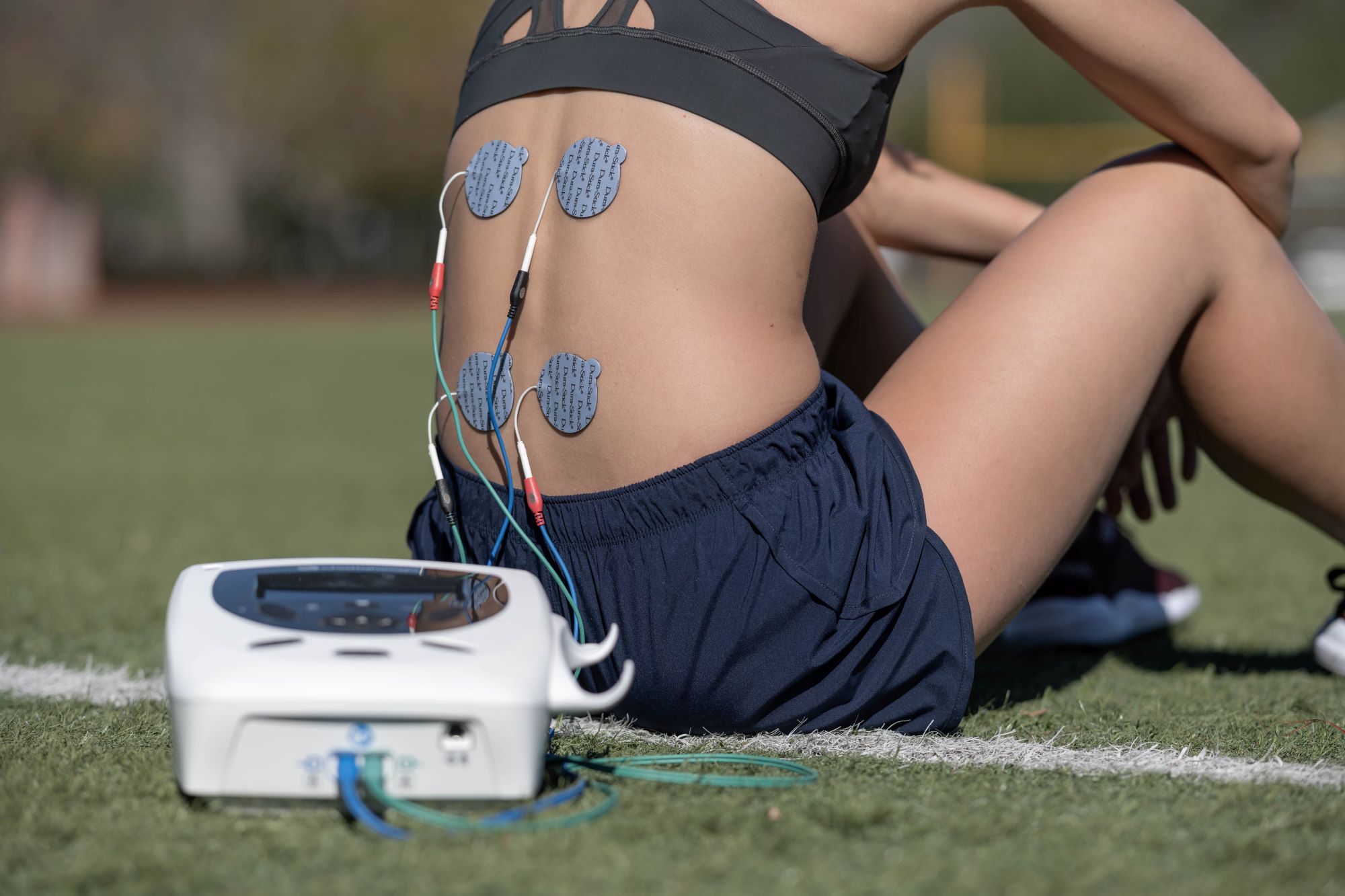
Intelect® electrotherapy devices support relaxation of muscle spasms, prevention or retardation of disuse atrophy, increased local blood circulation, muscle re-education, maintenance or increased range of motion, and management of chronic, intractable pain, post-traumatic acute pain, or post-surgical acute pain, depending on waveform and labeling.
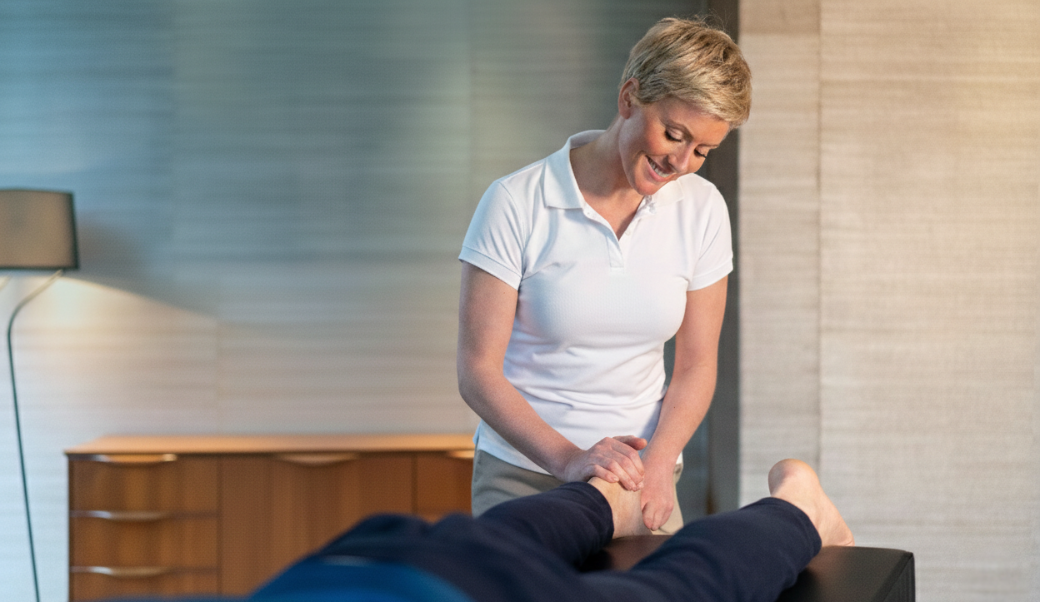
Montane and Galaxy treatment tables can help facilitate manual therapy, massage, and patient positioning as part of spinal rehabilitation care plans.
Spinal dysfunctions—especially those involving disc bulges, radiculopathy, and degenerative changes—present persistent challenges for rehabilitation p...
Watch On-Demand
Lower back and hip pathologies can be complex and challenging to treat, often requiring a precise diagnostic approach and innovative treatment strateg...
Watch On-Demand
Join us for an enlightening on-demand webinar focused on the latest technologies of Extracorporeal Shockwave Therapy (ESWT) and High-Intensity Laser T...
Watch On-Demand
Cervical radiculopathy is a common pathology treated in a variety of out patient settings. Treatment can involve specific strengthening, manual therap...
Watch On-Demand

![[eBook] From Research to Relief: Applying Shockwave and Laser Therapy to Common Conditions](/us/sites/default/files/2026-03/CHATT_Q225%20Research%20eBook_Social%20Graphics-03.png "[eBook] From Research to Relief: Applying Shockwave and Laser Therapy to Common Conditions")
![[eBook] Research Review: Extracorporeal Shockwave Therapy and High-Intensity Laser Therapy for Spinal and Neck Pain](/us/sites/default/files/2026-03/eBook%20ESWT%20and%20HILT%20for%20Neck%20and%20Spinal%20Pain_Social%20Graphics-03.png "[eBook] Research Review: Extracorporeal Shockwave Therapy and High-Intensity Laser Therapy for Spinal and Neck Pain")