

Total Items
0
0 Item(s)
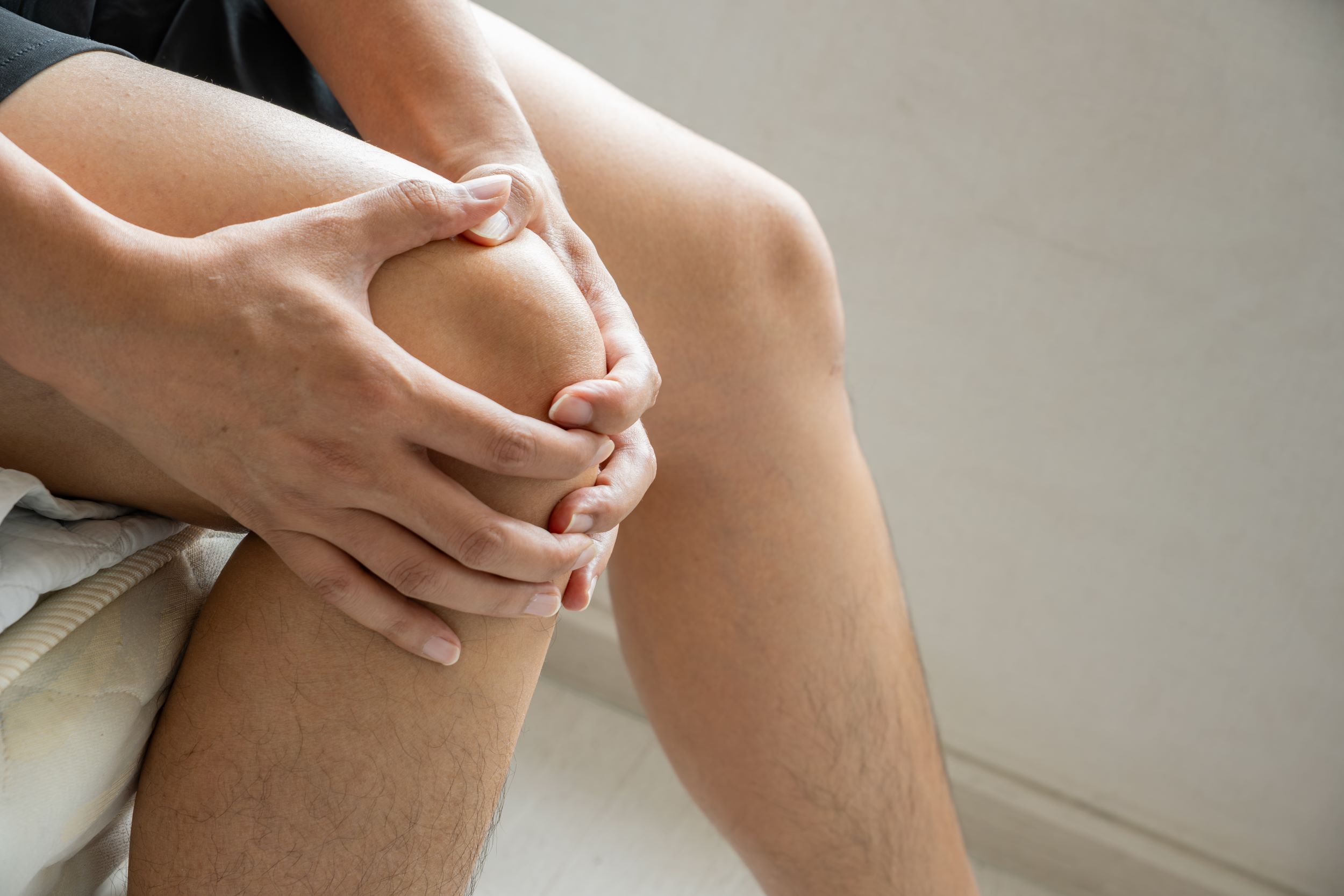
Acute musculoskeletal conditions involve recent-onset injuries or symptom presentations, typically resulting from trauma, overuse, or sudden loading. These conditions are characterized by shorter duration, evolving tissue healing, and often heightened pain or inflammation in the early phase.
Management commonly focuses on symptom modulation, protection of injured tissue, restoration of movement, and safe return to function, under clinician-directed plans of care.
Chattanooga® provides modalities and devices designed to support conservative rehabilitation workflows for acute musculoskeletal conditions. These tools are used as adjuncts within clinician-directed care plans that may include therapeutic exercise, manual therapy, movement retraining, and patient education.
Acute musculoskeletal conditions commonly present following a recent injury or sudden increase in load. Clinical presentation may vary based on the tissue involved, mechanism of injury, and stage of healing but can include:
Acute musculoskeletal conditions present with pain that develops immediately or shortly after a specific traumatic event, such as a fall, twist, direct blow, or rapid increase in training volume or intensity. Pain is often sharp or intense and may transition to a throbbing, aching, or activity-related discomfort.
Acute injury is commonly accompanied by localized swelling and visible or palpable inflammation. This may include warmth, redness, and tissue edema in the affected area.
Pain is frequently aggravated by active movement, loading, or performance of functional activities such as walking, lifting, reaching, or squatting. Pain may be reproduced at specific points in the range of motion or under resisted contraction, depending on the tissue type and severity of injury.
Acute musculoskeletal injury may lead to measurable reductions in joint mobility and muscular performance. Range of motion can be limited by pain, swelling, joint effusion, or muscle guarding. Strength deficits may result from pain inhibition, tissue damage, or neuromuscular disruption.
Individuals with acute conditions often adopt compensatory or protective movement strategies to minimize discomfort and project the injured area. These may include limping, reduced weight-bearing, guarded extremity use, shortened stride length, or altered lifting mechanics.
Clinicians should assess these findings to determine appropriateness of conservative care strategies, progression, and adjunctive modality usage.
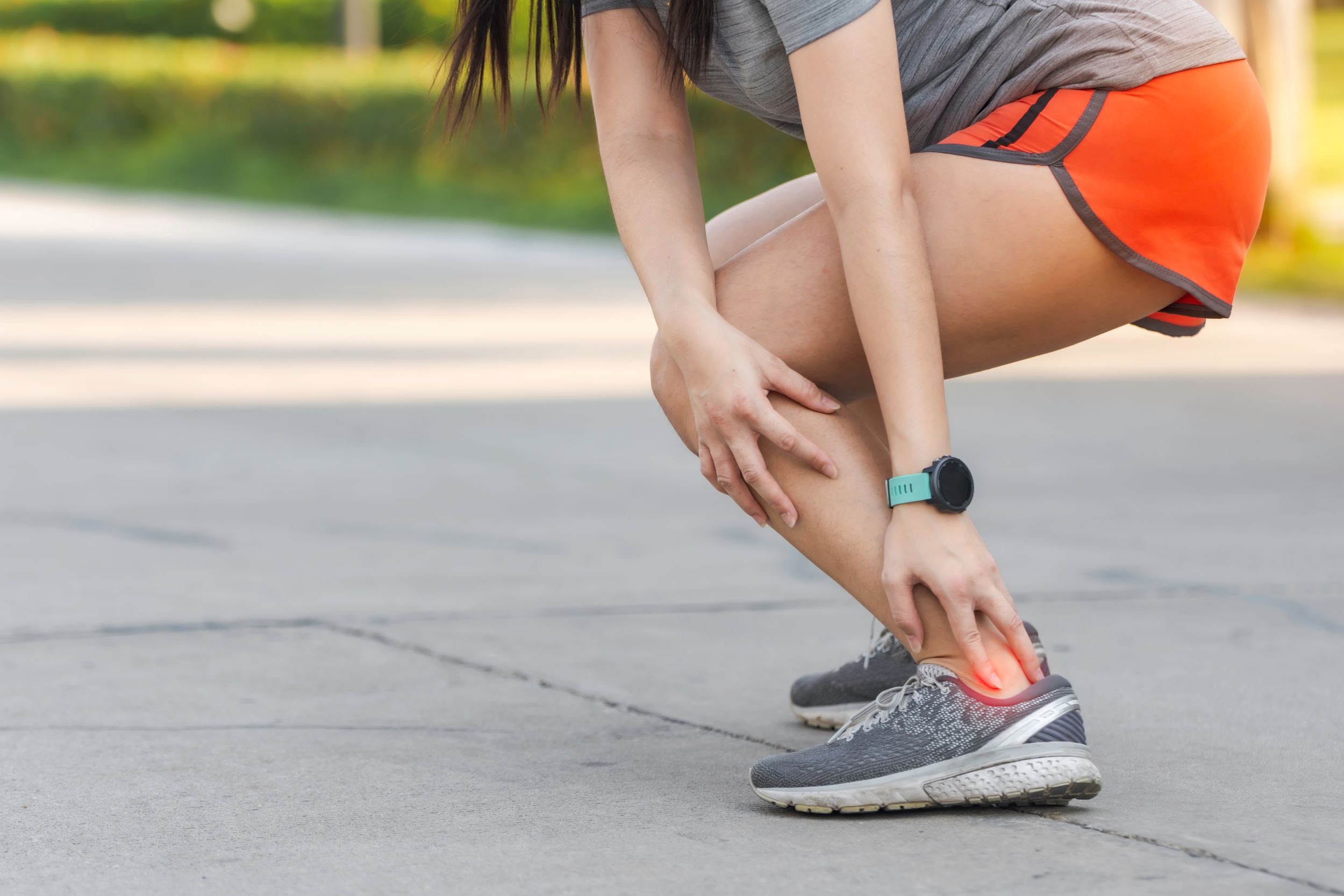
In acute musculoskeletal rehabilitation, modalities are not standalone treatments. Clinicians may integrate technologies as adjuncts to support symptom management, session readiness, and patient participation in active rehabilitation within a conservative plan of care. Modality selection, timing, and parameters should be determined by the supervising clinician.
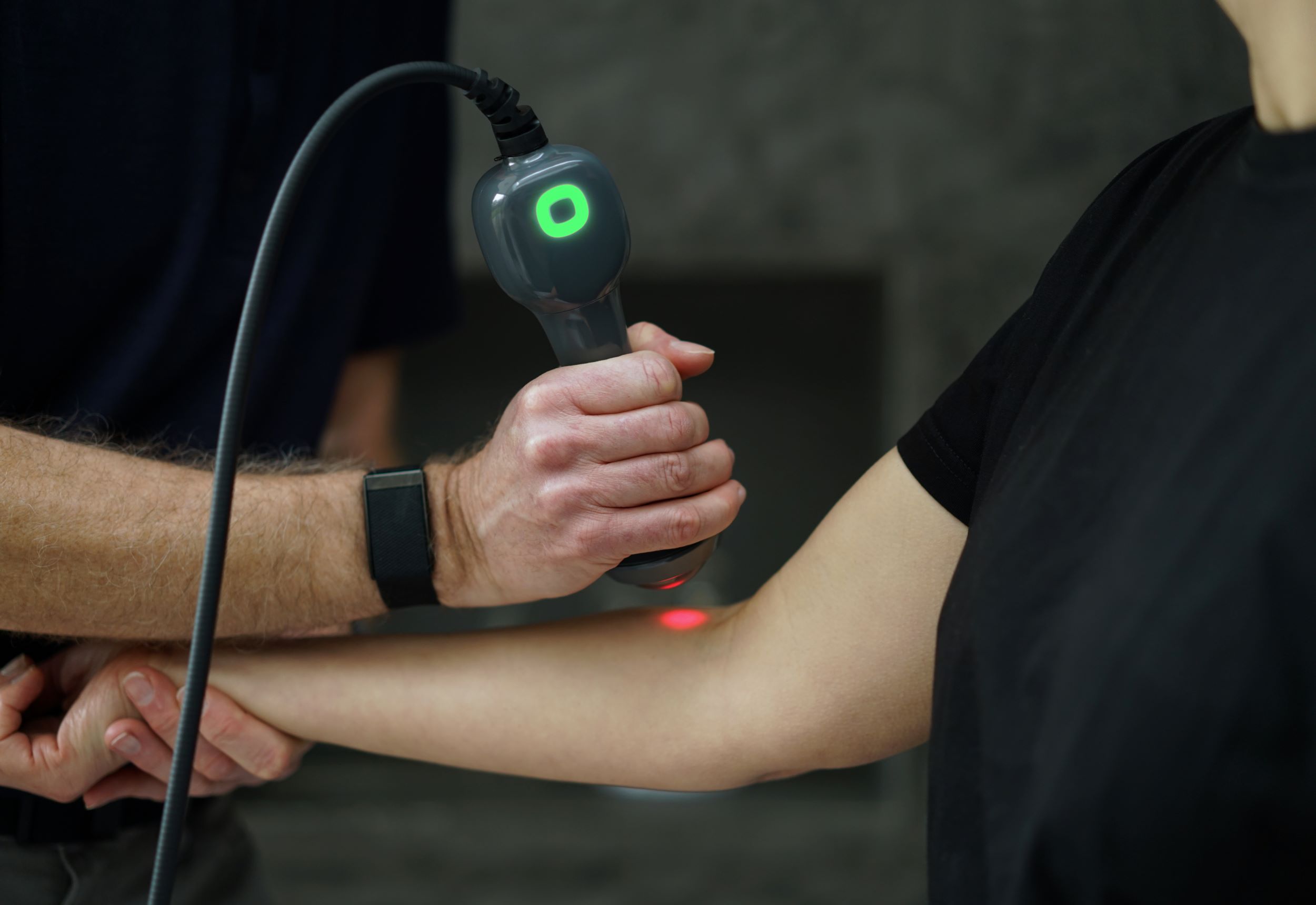
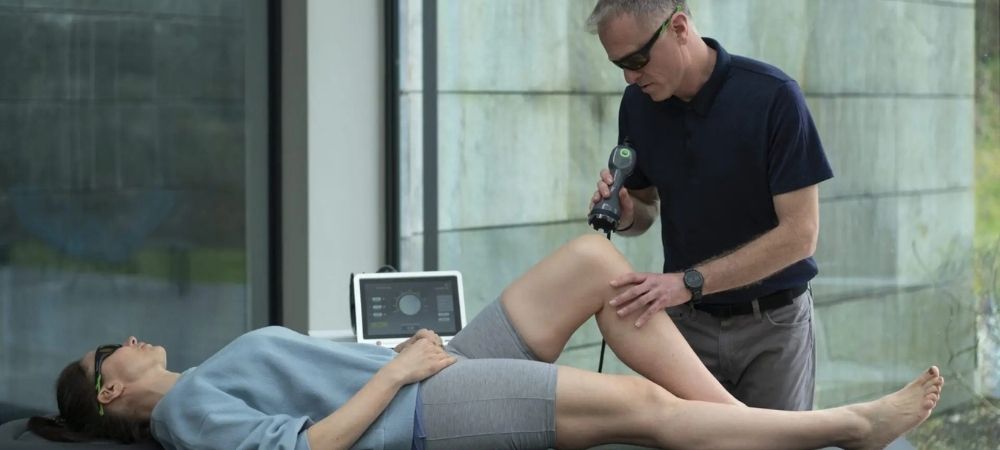
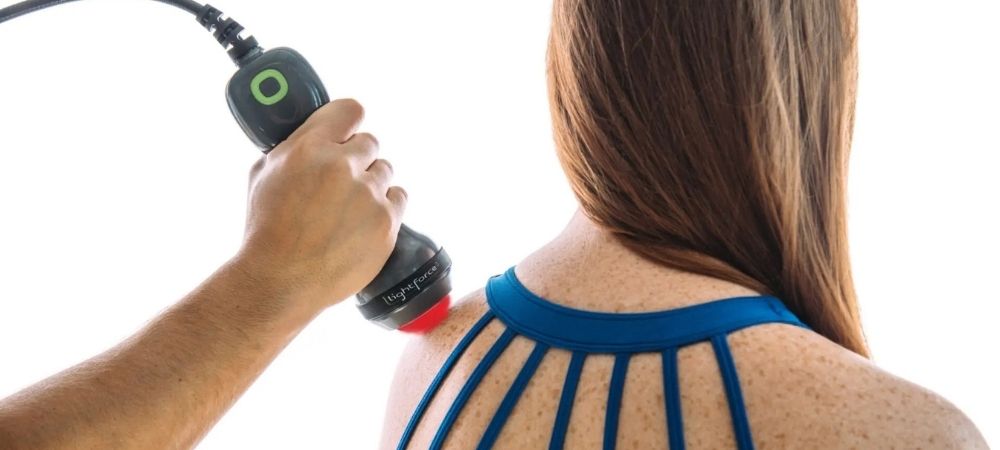
LightForce® Lasers are indicated to provide topical heating to elevate tissue temperature for the temporary relief of minor muscle and joint pain and stiffness, minor arthritis pain, or muscle spasm; to temporarily increase local blood circulation; and to temporarily relax muscle.
In the management of acute musculoskeletal conditions, laser therapy may be used as an adjunct when pain, muscle guarding, or localized spasms limit tolerance to movement, manual therapy, or early therapeutic exercise. Laser therapy may be incorporated early in a treatment session to help relax muscles and provide pain relief, allowing patients to more comfortably participate in active rehabilitation. Selection of the application area, dosing parameters, and timing within a treatment session or plan of care should be determined by the supervising clinician and based upon patient presentation.
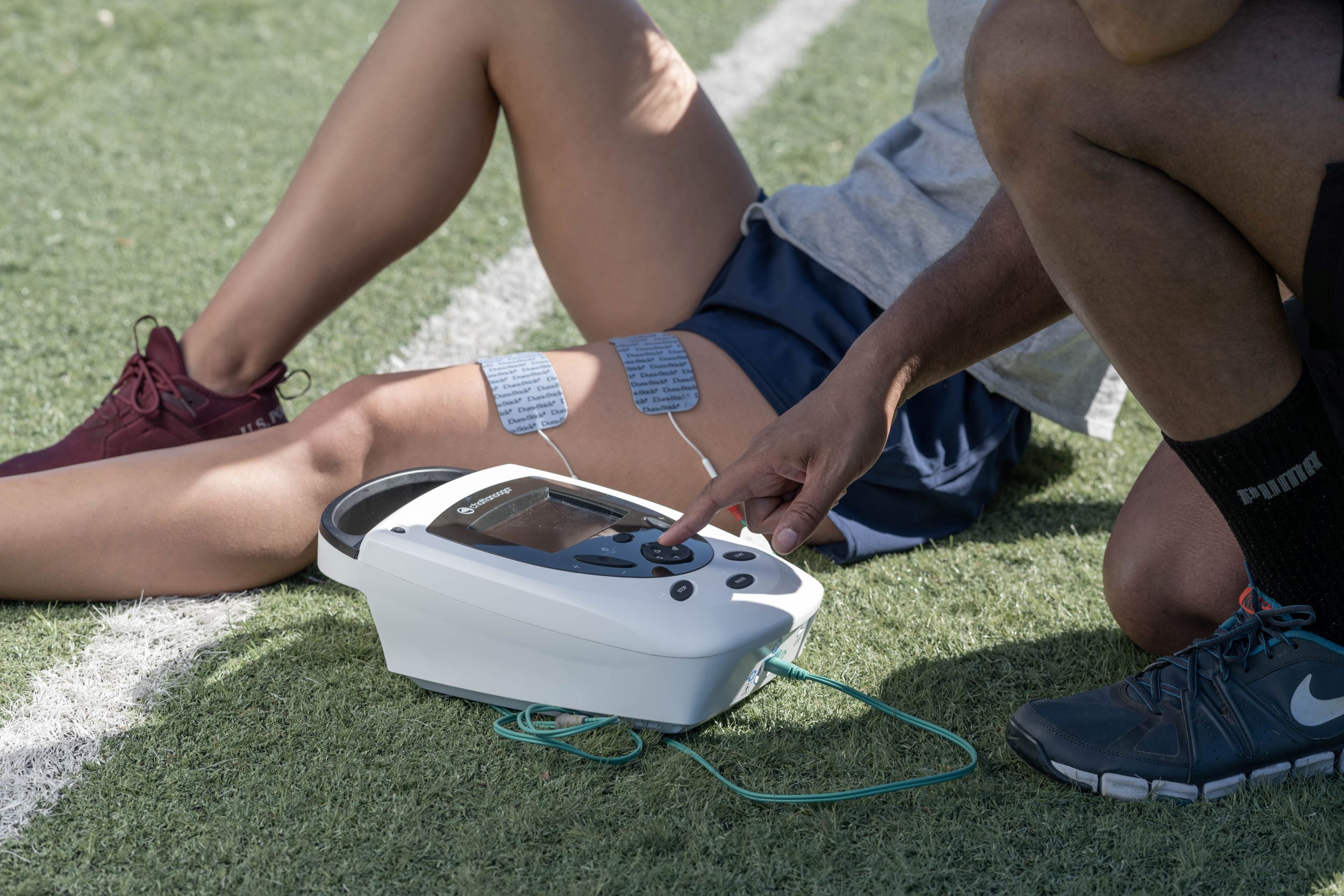
Electrotherapy may be integrated as an adjunct within conservative rehabilitation for acute musculoskeletal conditions, based on treatment goals, patient presentation, and the specific indications cleared for each waveform and configuration.
Depending on the waveform selected, indications may include relaxation of muscle spasms; prevention or retardation of disuse atrophy; increased local blood circulation; muscle re-education; maintenance or increased range of motion; and symptomatic relief and management of post-traumatic acute pain or post-surgical acute pain. In acute care settings, electrotherapy may be used to address pain-related muscle inhibition, early activation challenges, or movement avoidance that interferes with functional retraining.
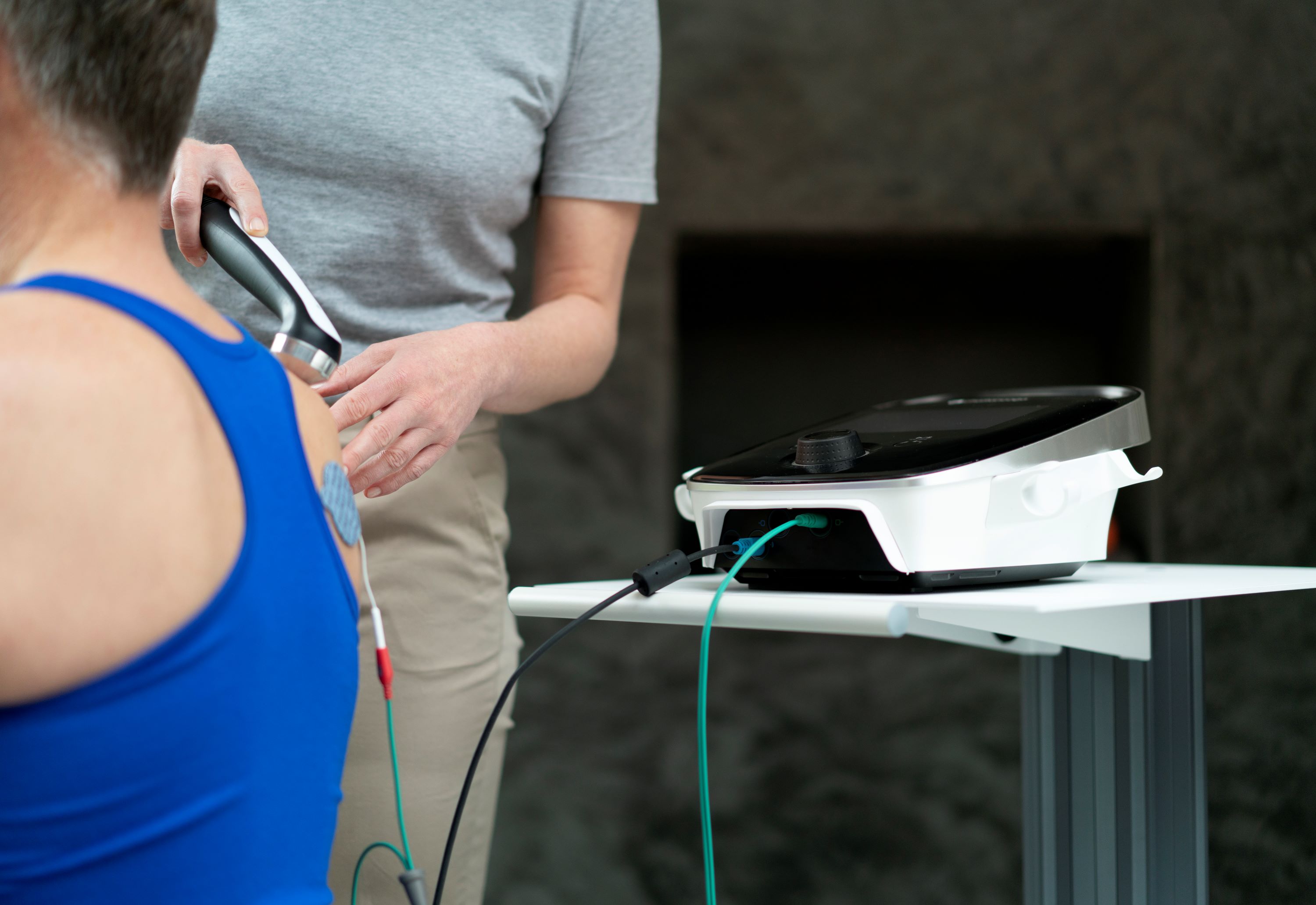
Therapeutic ultrasound is indicated for the application of therapeutic deep heat for the treatment of selected medical conditions, including relief of pain, muscle spasms, and joint contractures.
In acute or early sub-acute musculoskeletal conditions, ultrasound may be incorporated as an adjunct when deep heat is selected to support treatment objectives such as reducing muscle spasm or improving tissue extensibility prior to manual therapy or exercise. Use remains dependent on stage of healing, tissue tolerance, and approved indications.
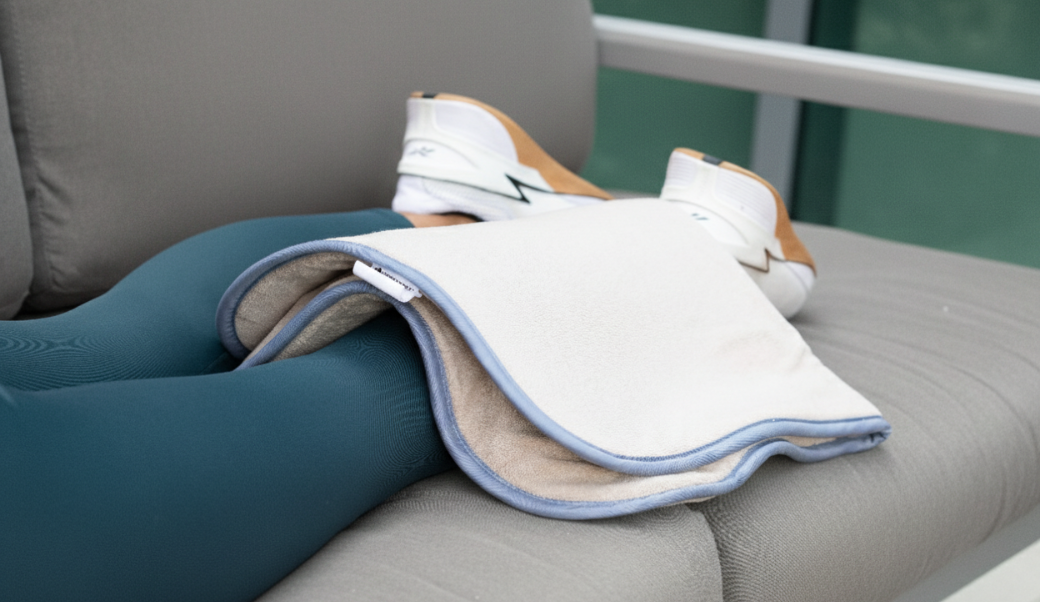
Hot and cold therapy products may be used to support care for acute musculoskeletal conditions by providing localized cold or heat therapy to body surfaces. Cold therapy is commonly selected in acute presentations to provide pain relief and reduce swelling, while heat may be applied after the initial acute phase, when appropriate, based on patient symptoms and treatment goals to help with pain and stiffness.

Join us for an insightful webinar featuring Holly Silvers-Granelli, PhD, PT, MPT, Chair of Major League Soccer's Medical Assessment Research Committee...
Watch On-Demand
Building on the foundational knowledge shared in Part 1 of our ACL Prevention in Youth Soccer webinar series, Holly Silvers-Granelli, PhD, PT, MPT, Ch...
Watch On-Demand
Hamstring injuries are one of the most common injuries plaguing professional football players. Associate Head Athletic Trainer for the New York G...
Watch On-Demand
The Enovis™ Recovery Sciences team has teed up the perfect webinar for all our golf fanatics!In this webinar, we're joined by guests, Mike Voight, DHS...
Watch On-Demand
Associate Clinical Director for Champion Sports Medicine in Birmingham, AL, and a leading authority in the world of sports rehabilitation, Kevin Wilk,...
Watch On-Demand


![[eBook] Rotator Cuff Quick Reference Guide](/us/sites/default/files/2026-03/Rotator%20Cuff%20Guide%20Social%20Graphic-03.png "[eBook] Rotator Cuff Quick Reference Guide")
![[eBook] From Research to Relief: Applying Shockwave and Laser Therapy to Common Conditions](/us/sites/default/files/2026-03/CHATT_Q225%20Research%20eBook_Social%20Graphics-03.png "[eBook] From Research to Relief: Applying Shockwave and Laser Therapy to Common Conditions")
![[eBook] Shockwave and Laser Therapy for Lower Leg Injuries 101](/us/sites/default/files/2026-03/LL%20Injuries%20ebook_ipad_crop_top_1040x602.jpg "[eBook] Shockwave and Laser Therapy for Lower Leg Injuries 101")