

Total Items
0
0 Item(s)
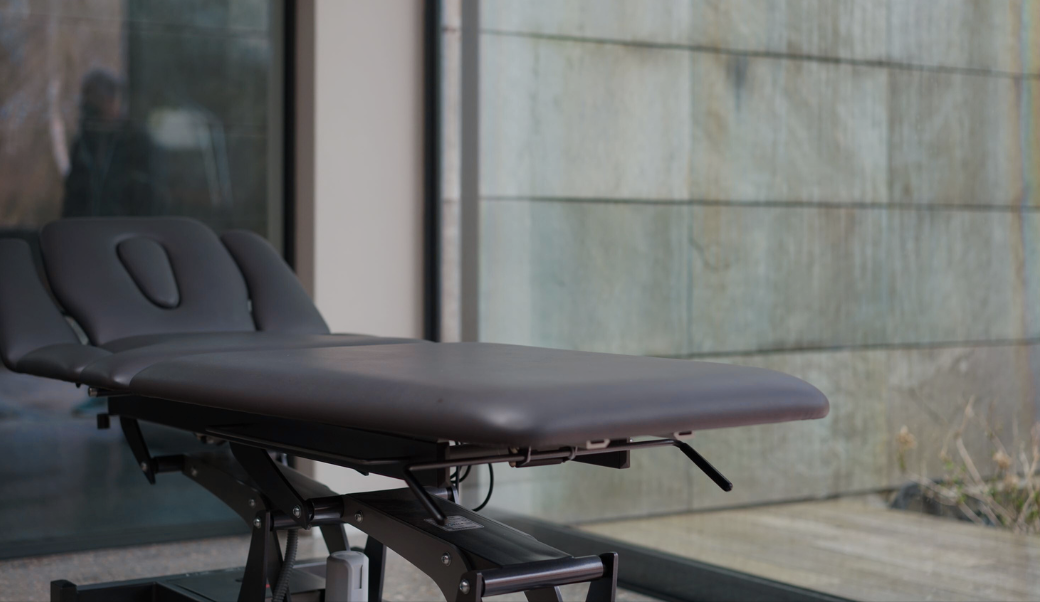

A treatment table is a medical device designed to support patients during clinical evaluation and therapy. In rehabilitation settings, treatment tables are used to facilitate manual therapy, evaluations, and massage treatment by enabling patient positioning and supporting clinician ergonomics through adjustable height and section configurations.
Treatment tables do not provide a therapeutic effect on their own. They serve as support platforms for trained professionals as part of conservative rehabilitation workflows.
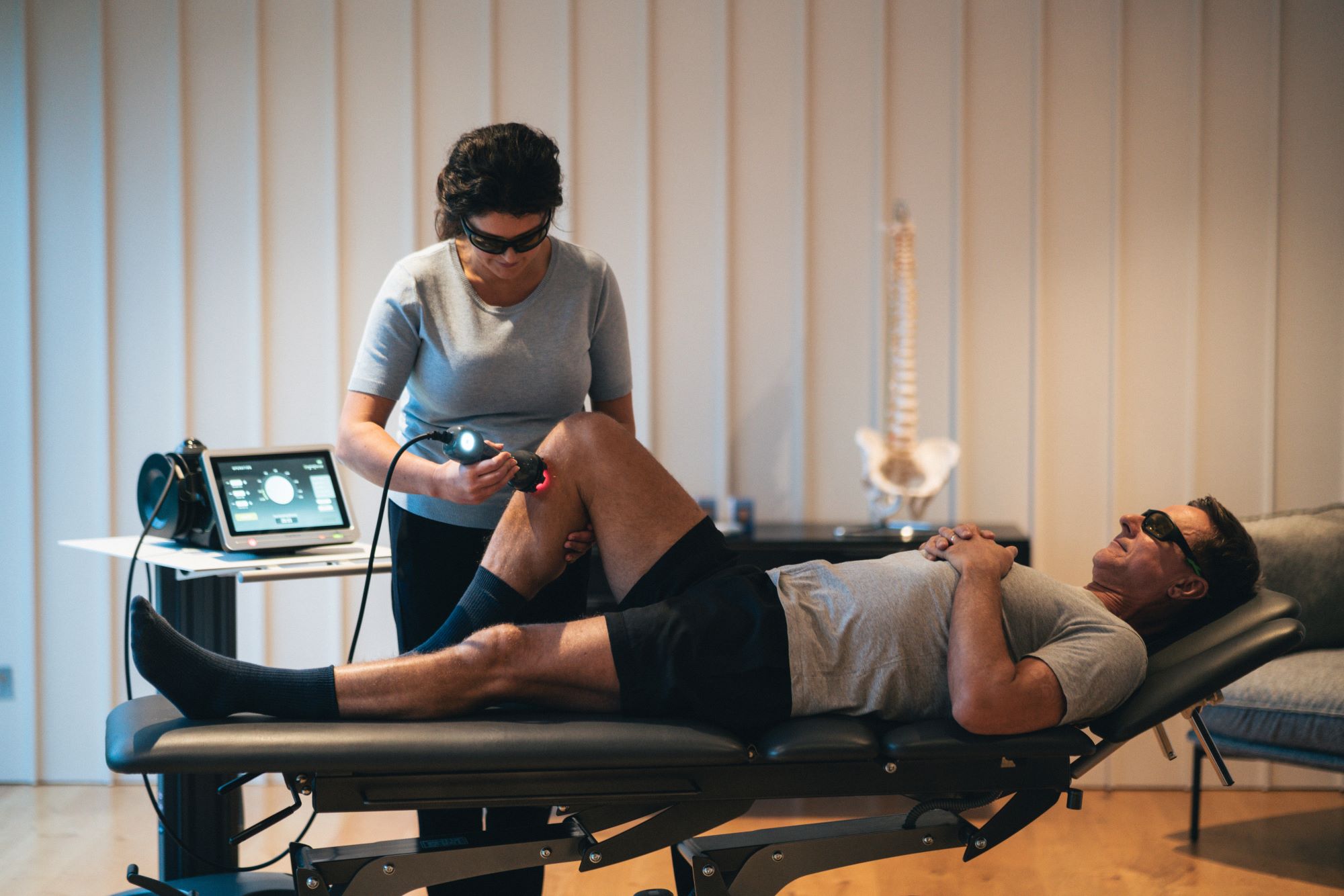
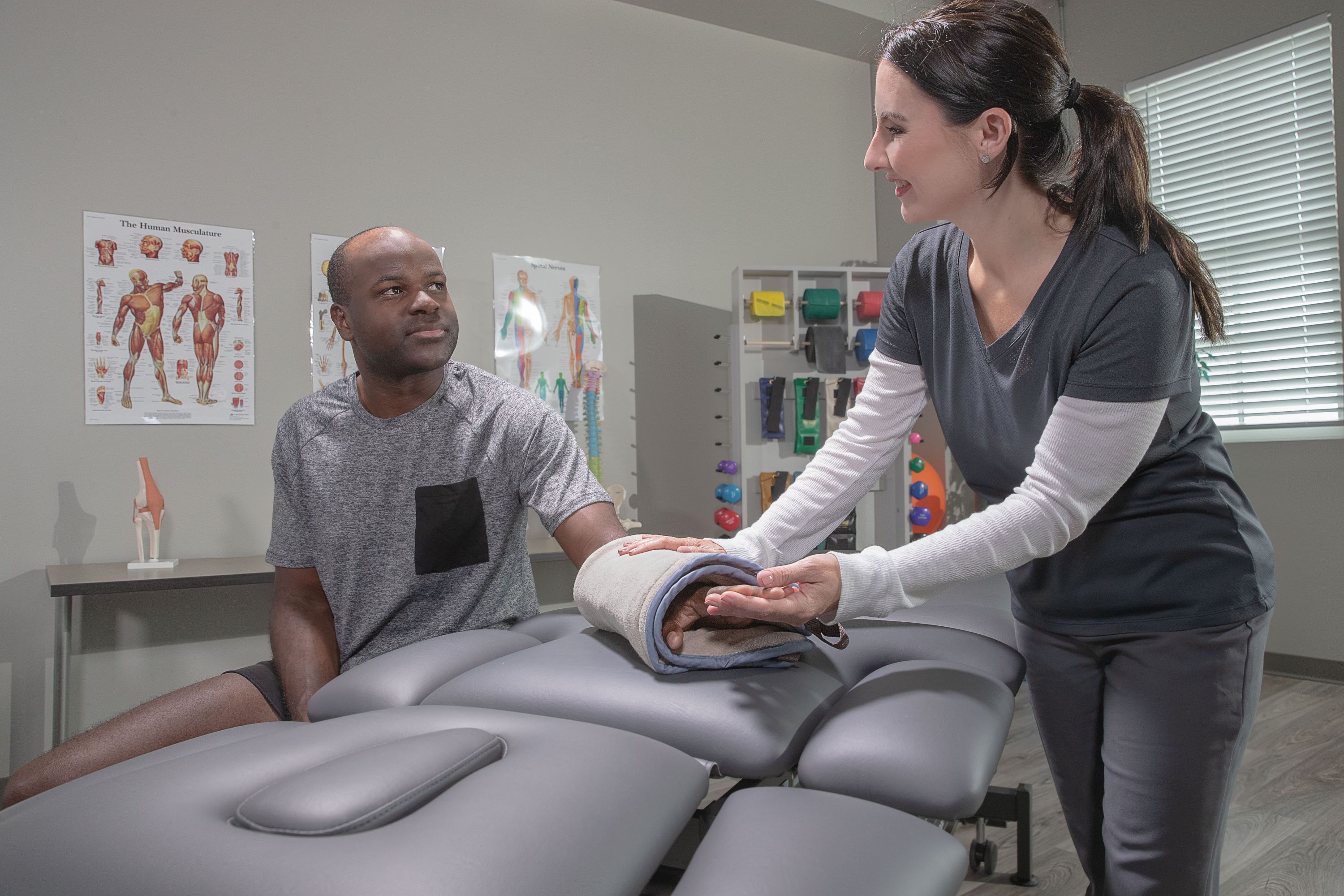
Common uses for treatment tables include:
Patient evaluation and setup, including transfers and positioning during assessments
Manual therapy positioning
Massage treatment support, including prone, supine, and side-lying setup
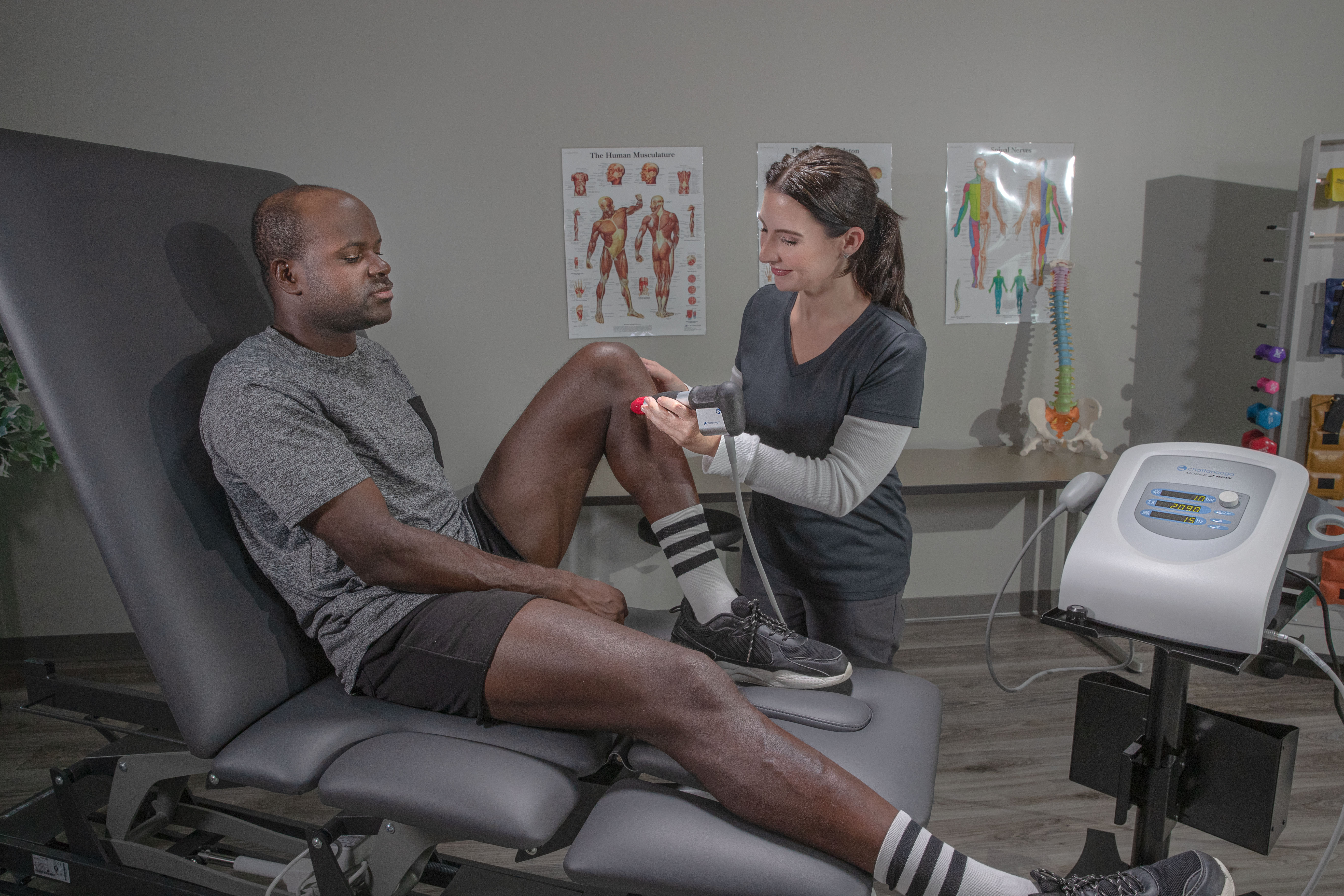
Stable, adjustable surfaces help clinicians transition patients into evaluation and treatment positions more smoothly and consistently.
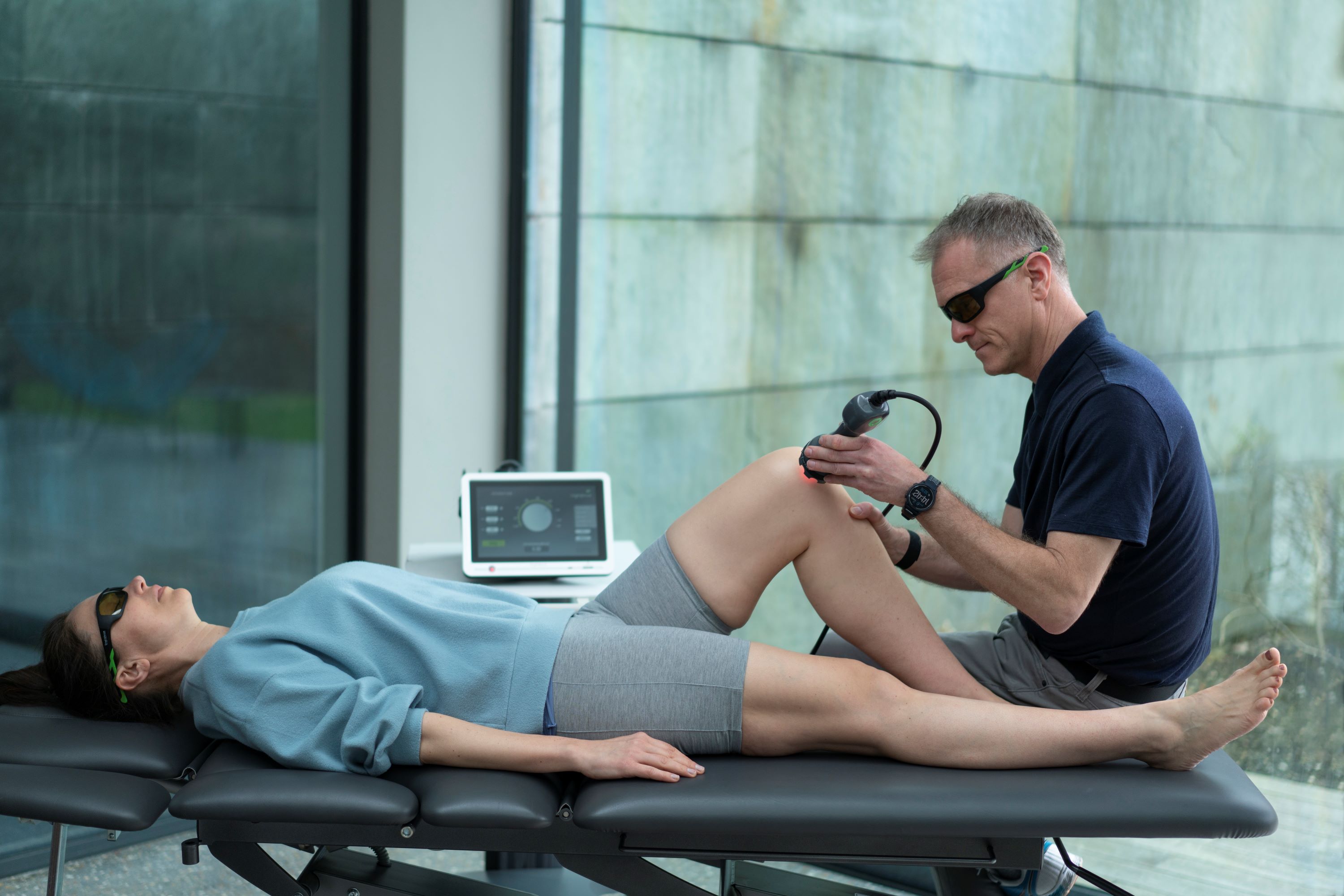
Height adjustment and multi-section positioning can help reduce strain during hands-on, manual therapy and support better body mechanics during repeated sessions.
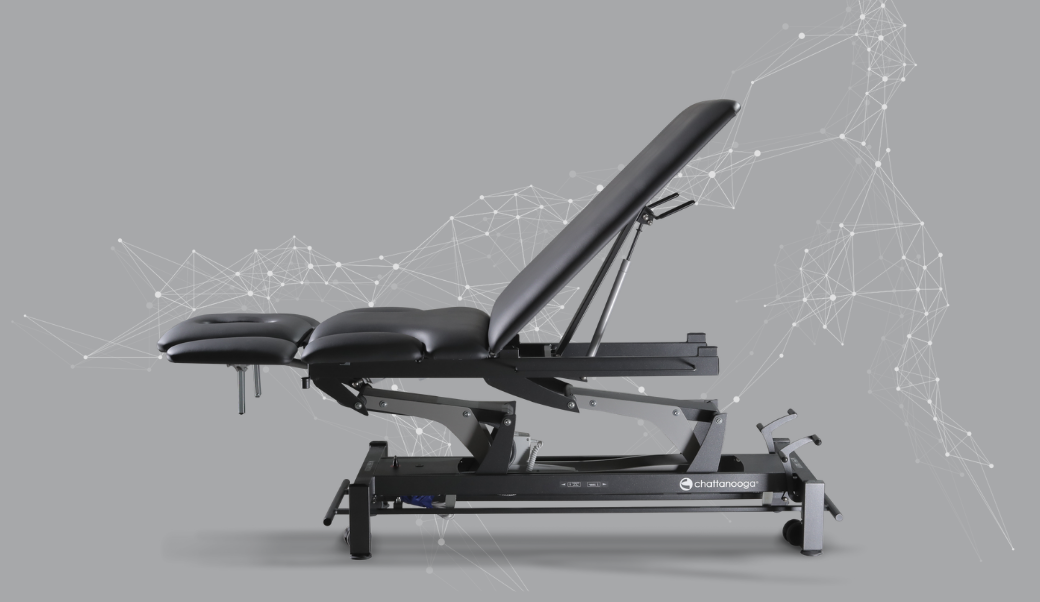
Multi-section designs and powered configurations can support a wider range of positioning requirements depending on treatment needs.
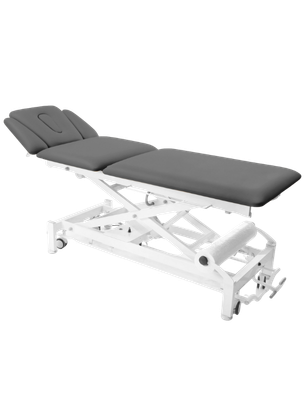
Explore how Chattanooga® treatment tables can support conservative rehabilitation workflows in your clinical setting.
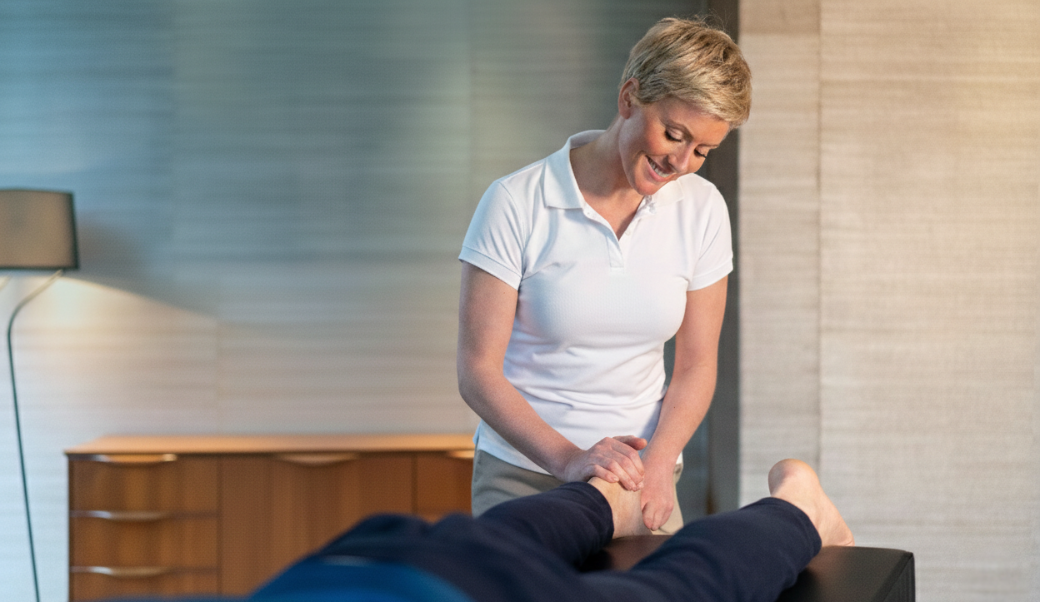
When evaluating treatment tables, clinicians and buyers typically consider:
Designed to support manual therapy and massage treatments with a traditional, stability-focused table design. The Montane line features a steel frame for stability during treatment and patient transitions, plus a boomerang mechanism for a smooth vertical lift to support positioning and hands-on care. Montane tables also include fast height adjustment via a powerful motor, gas springs to assist adjustments and prevent sudden movement, and easy table movement/stabilization with one-step wheel engagement.
Powered treatment tables designed for performing manual therapeutic treatments and massage to help treat a wide range of musculoskeletal conditions. Galaxy tables are built around a slim, compact design that supports clinician access, with a stable scissor lifting frame that maintains a minimal footprint even during height changes. They also feature Hallotronic™ actuators for high lifting performance, along with practical clinical features like 360° foot switch access, two-layer padding, and multi-section positioning options depending on the model.

Clinics typically evaluate intended use, section configuration, adjustment method, stability, workflow fit, and long-term service support.
Montane treatment tables are intended to facilitate manual therapy and massage treatments by enabling proper patient positioning and adjusting height and table sections.
Galaxy-powered tables are intended to be used for performing manual massage treatments that help treat a variety of musculoskeletal conditions by restoring or improving the function of massaged tissues.
Clinicians typically choose based on table design, positioning flexibility, and day-to-day workflow needs. Galaxy tables feature a slim, compact footprint with a scissor-lift frame, plus practical workflow features like 360° foot switch access, two-layer padding, and options such as fold-down armrest – making them a strong fit for settings where efficient clinician access and frequent height/position changes are priorities. The Montane series is designed to support hands-on care with multi-section positioning flexibility and a stable lifting platform. Its boomerang mechanism base helps provide a smooth vertical lift while maintaining a stable treatment surface, supporting clinician workflows when frequent positioning adjustments are needed during manual therapy sessions.
No. Treatment tables support patient positioning during clinician-directed care. They do not provide therapeutic effects independently and are not intended as a standalone intervention.
Treatment tables are commonly used across orthopedic, sports medicine, and post-surgical care settings to support conservative care workflows alongside therapeutic exercise and manual therapy.
Adjustable height and section positioning can support clinician ergonomics, patient comfort, and efficient setup during evaluation and hands-on treatment sessions.
Yes. Clinicians should review the applicable user manual for warnings, precautions, and safe operating instructions prior to use.
Federal law restricts applicable devices to sale by or on the order of a physician or licensed healthcare practitioner. Facilities should follow all purchasing and use requirements for their region.
They support positioning during evaluation, manual therapy, massage treatment, and exercise progression where applicable, as part of clinician-directed conservative care.
Yes. Many clinics use both table lines to support different treatment workflows and room setups. The Montane Series offers multi-section positioning flexibility and a smooth, stable vertical lift design, making it well suited for sessions that involve frequent repositioning during hands-on care. The Galaxy Series offers a slim, compact footprint with a scissor-lift frame, along with workflow-friendly features like 360° foot switch access, two-layer padding, and options such as fold-down armrests, which can be helpful in spaces where efficient clinician access and frequent height adjustments are priorities.
Clinics typically choose section configurations based on the positioning requirements of their protocols, clinician preferences, and patient population needs.
Clinics can request specifications, compare configurations, and talk with a local distributor representative to match intended use, workflow, and facility needs to the correct treatment table lineup.