
Total Items
0
0 Item(s)

Tendinopathy refers to pain and functional limitation associated with a tendon. In clinical rehabilitation, tendinopathy is commonly managed through conservative plans of care that emphasize progressive loading, movement retraining, and functional strength integration.
Chattanooga® provides rehabilitation technologies that clinicians may incorporate as adjuncts within these conservative care workflows. Modalities are not standalone treatments for tendon pathology, but instead a part of a much more integrated plan of care.
In rehabilitation settings, tendinopathy presents across a wide range of anatomical regions and activity demands. Clinicians commonly encounter tendinopathy involving:
Pain is typically felt directly over the affected tendon and worsens with movement or loading.
Symptoms increase during activities involving force, resistance, or repetition (lifting, gripping, jumping, etc.).
The involved area is often sensitive or painful to touch.
Pain and stiffness may be more noticeable after rest or upon initiating movement.
The affected region may fatigue more quickly or feel weaker during activity.
Presentation varies by tendon, chronicity, loading history, and patient factors. Clinical decision-making, modality selection, parameters, and progression are determined by clinician evaluation and patient response.
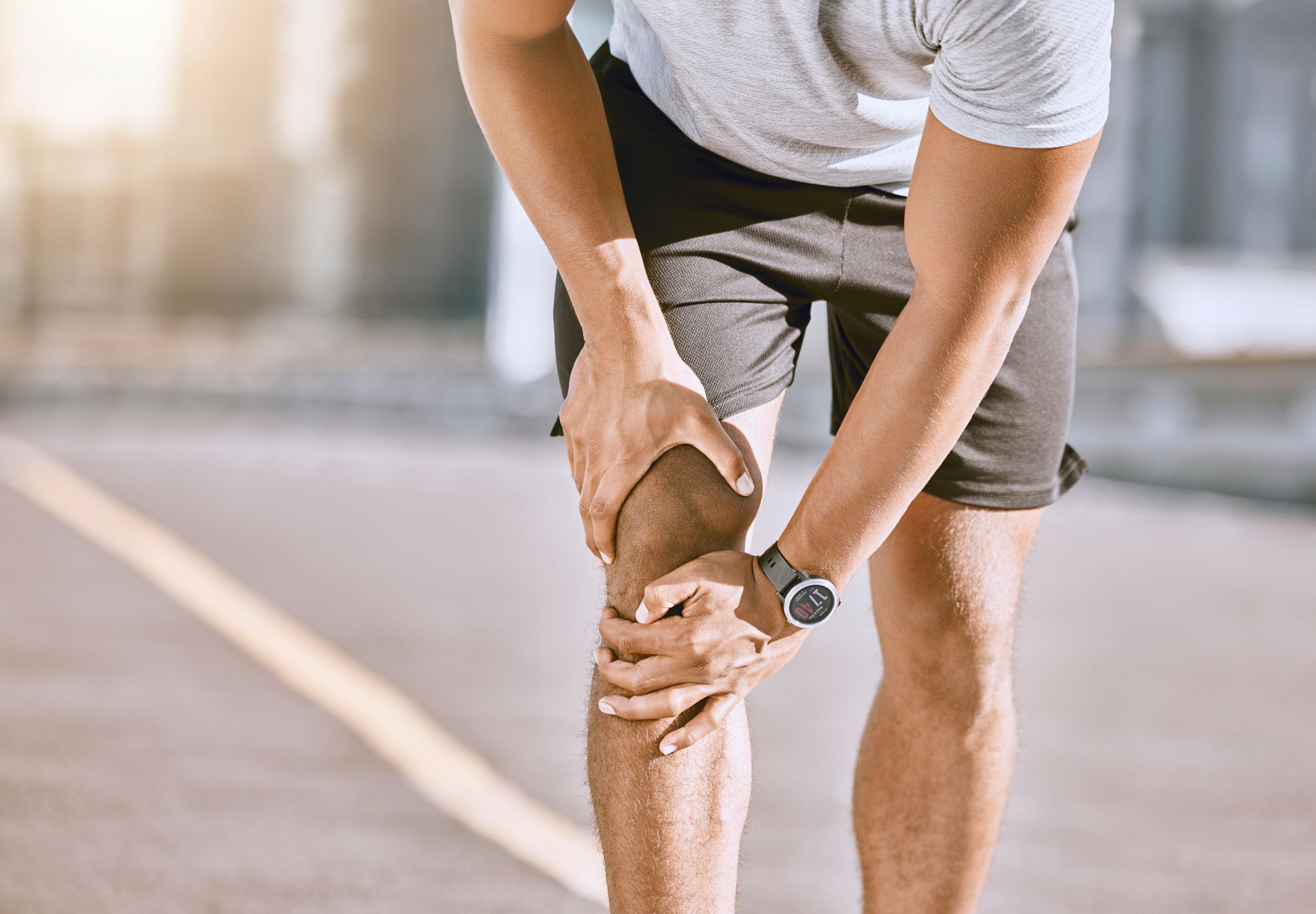
Conservative tendinopathy rehabilitation prioritizes progressive loading, movement retraining, and functional capacity development. Chattanooga® rehabilitation technologies may be incorporated as adjuncts to help provide pain relief, improve function, and ultimately allow better patient participation in active care. Modalities are not intended to treat tendon pathology in isolation but to complement rehabilitation plans.
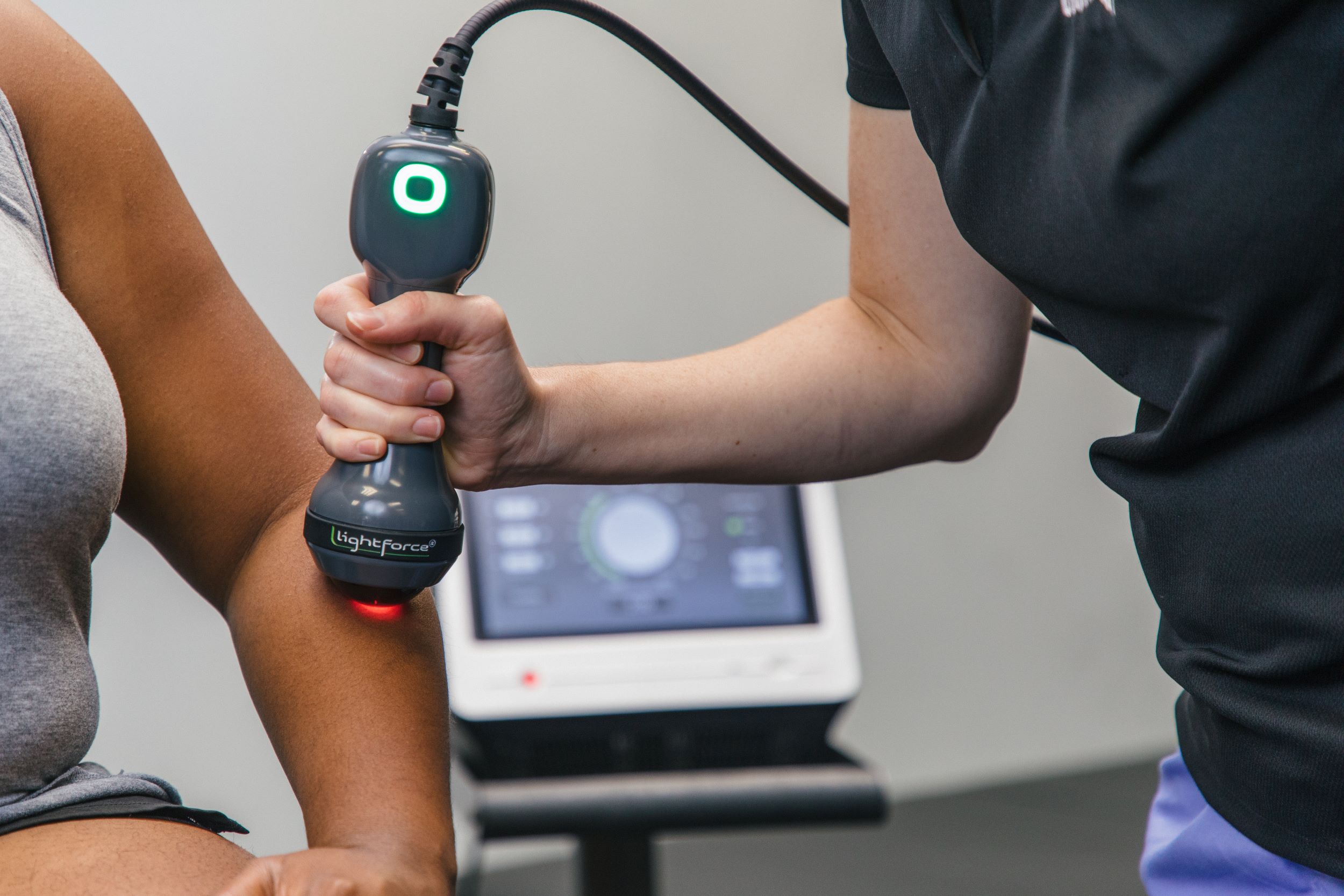
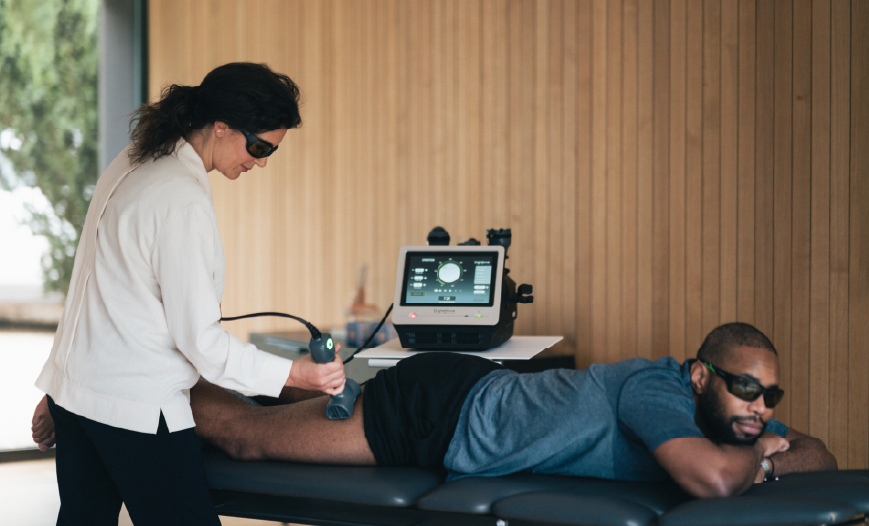
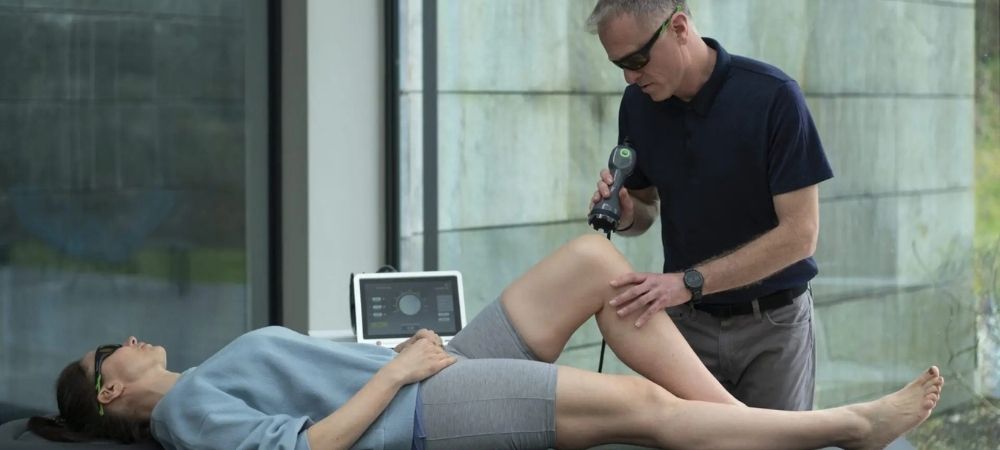
LightForce® laser therapy may be integrated to support session readiness and symptom modulation in patients whose pain or stiffness limits tolerance to manual therapy or loading progressions.
Clinicians may use laser therapy to:
Laser therapy is commonly positioned before or alongside active rehabilitation to help relieve pain so that patients can better tolerate progressive loading strategies and actively participate in stretching and exercises.
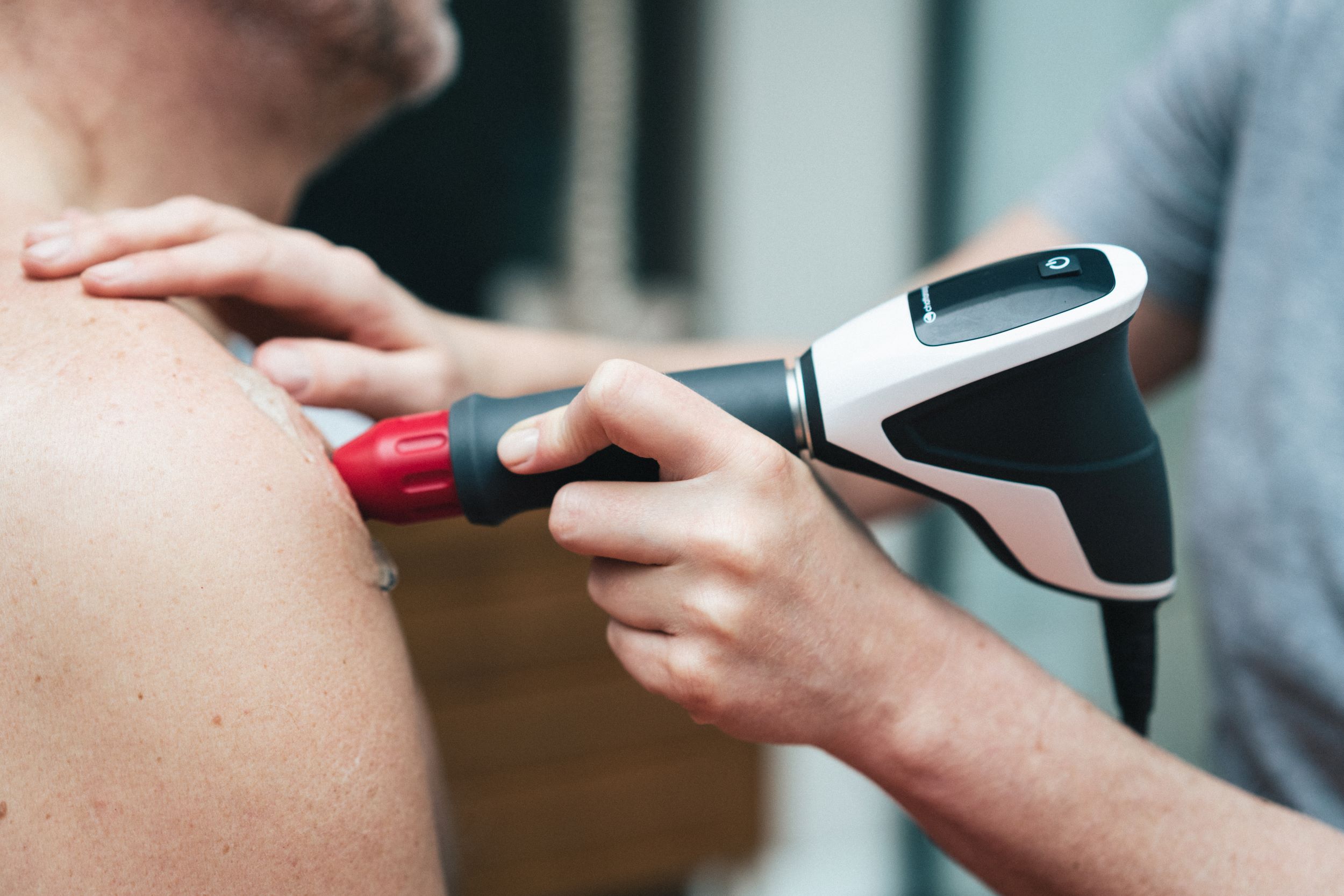
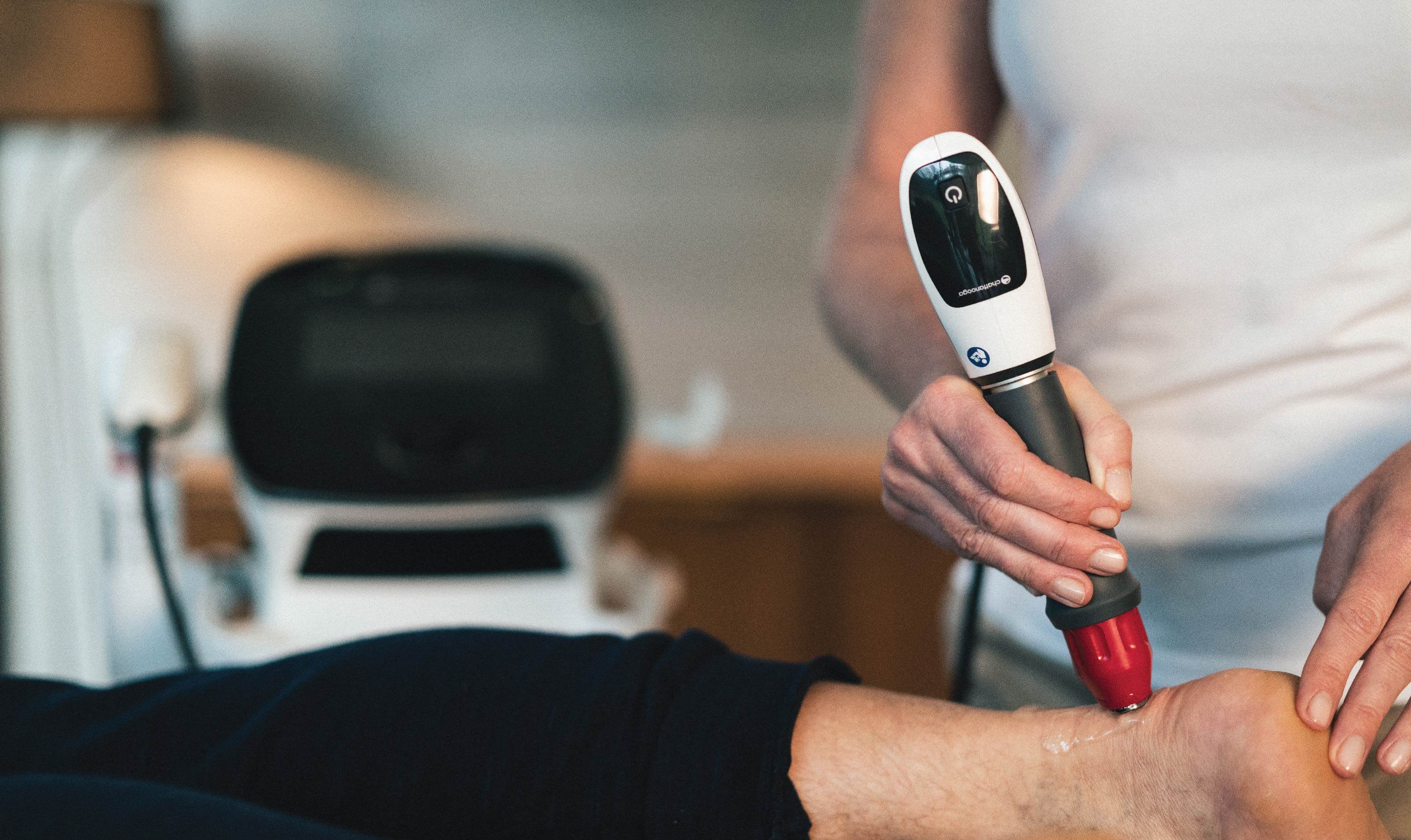
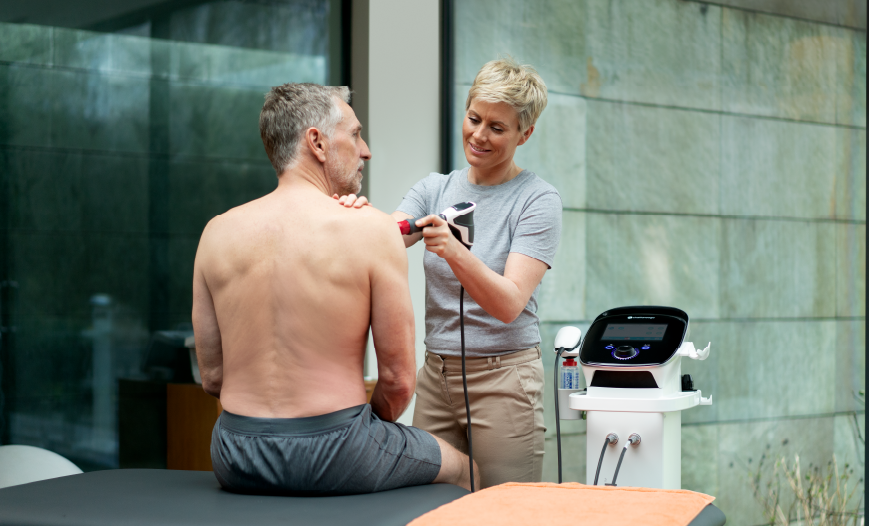
The Intelect® RPW 2 or Intelect® Mobile 2 RPW may be considered when muscle pain, connective tissue sensitivity, or regional discomfort interferes with participation in functional training or loading programs.
In tendinopathy plans of care, clinicians may use RPW to:
RPW is typically applied as part of a broader rehabilitation strategy focused on pain relief, restoring load tolerance and functional movement.
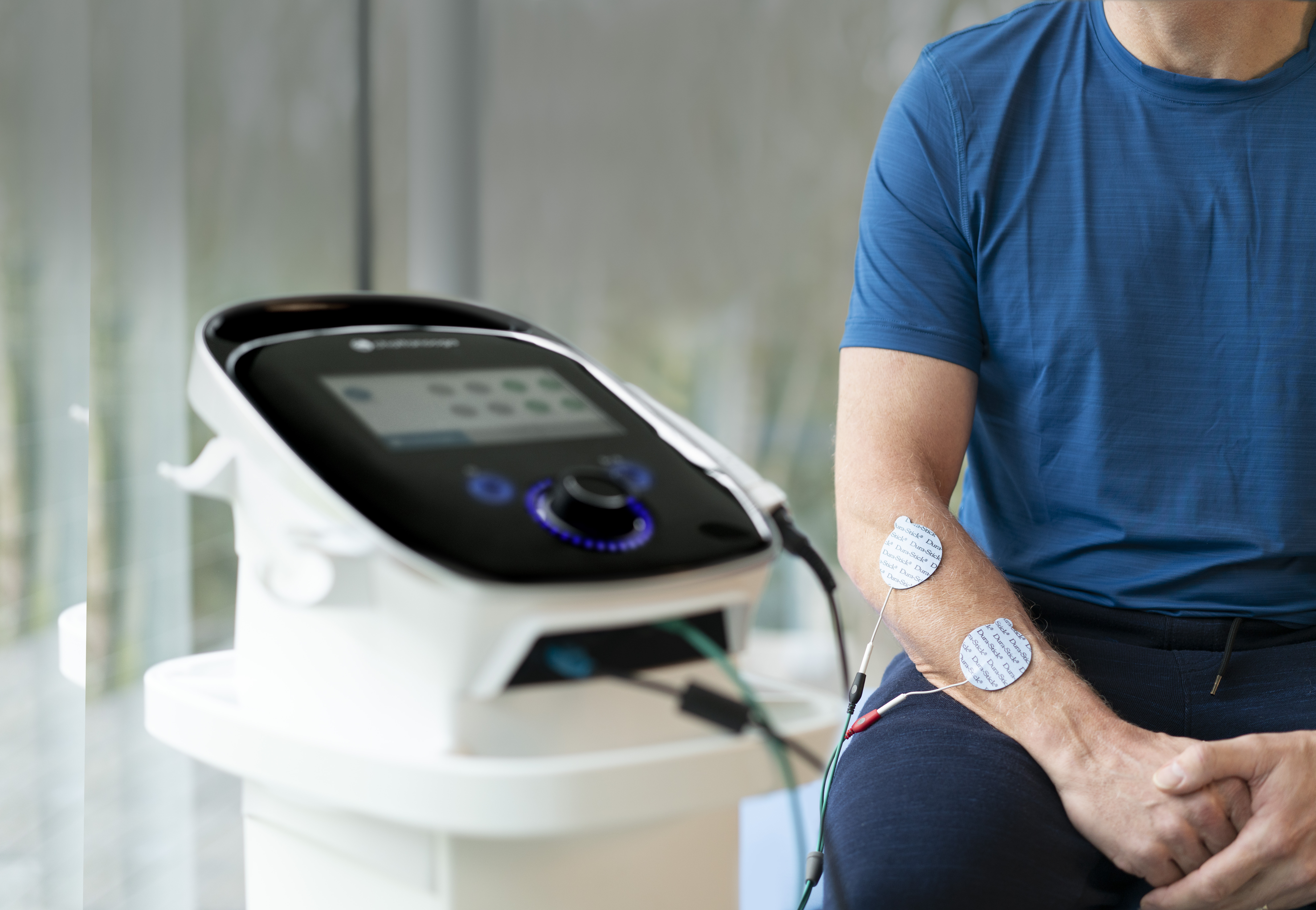
Electrotherapy may be incorporated based on clinical goals and patient presentation, particularly when neuromuscular or pain-related factors limit movement quality.
Depending on labeling and configuration, electrotherapy may support:
Electrotherapy is often used to facilitate and enhance participation in exercise-based rehabilitation.
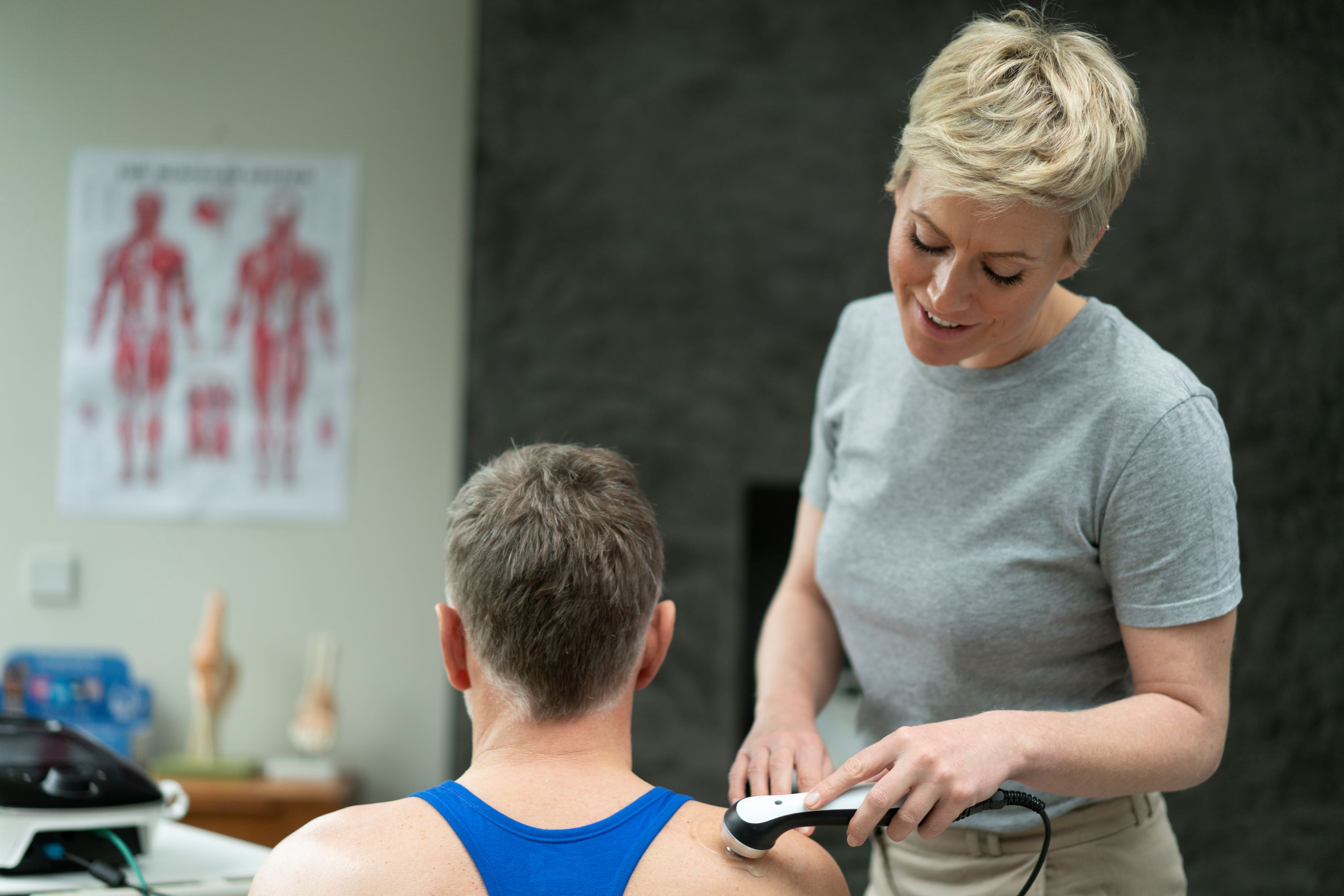
Therapeutic ultrasound may be used to apply deep heat to selected sub-chronic or chronic soft-tissue conditions associated with tendinopathy.
Clinicians may integrate ultrasound to:
Ultrasound is not indicated for direct modification of tendon structure but may support symptom management within conservative care plans.
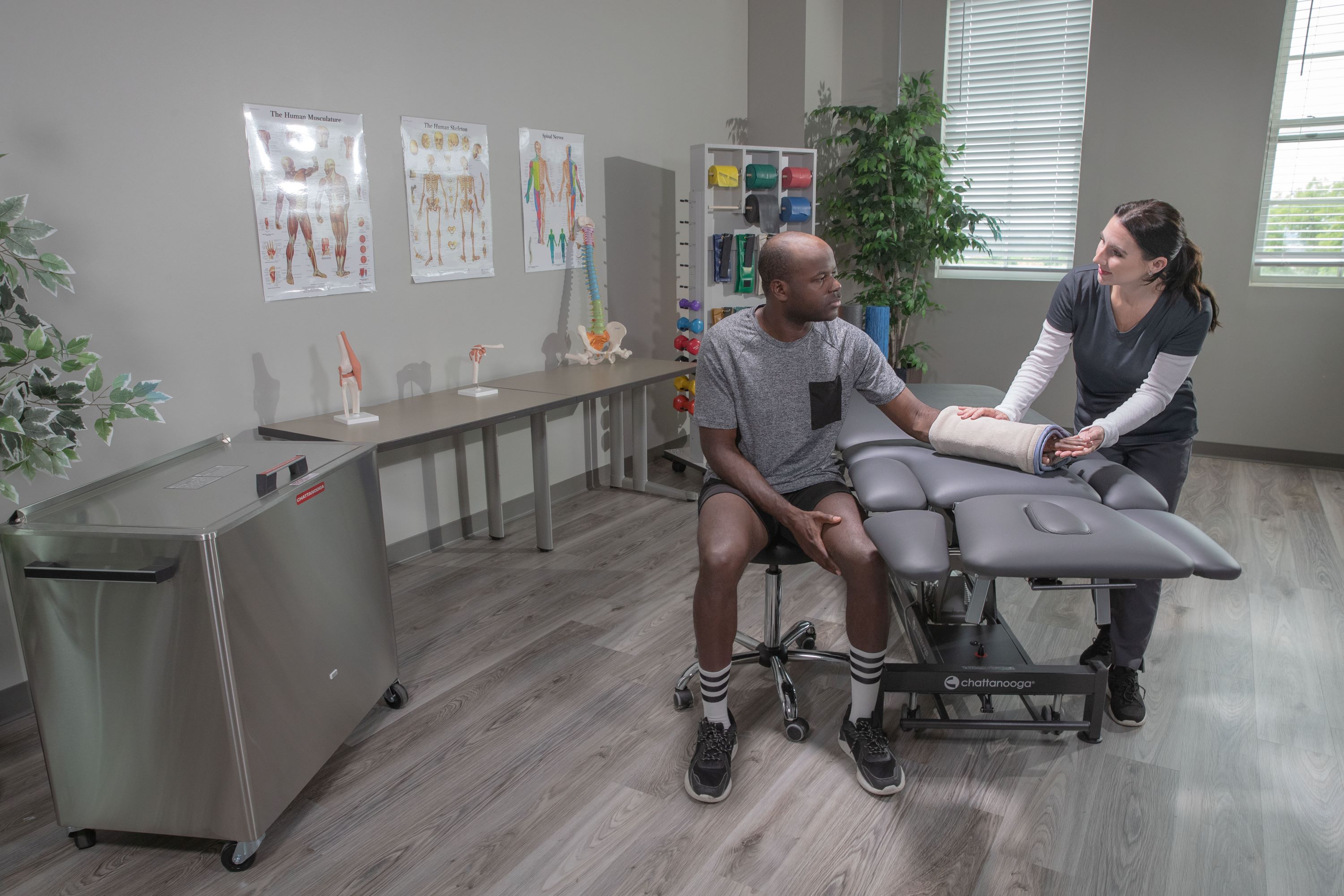
Hot and cold therapy modalities can help support clinic workflow efficiency and patient comfort throughout tendinopathy rehabilitation.
Join Enovis™ for an exciting opportunity to learn from industry titans Kevin Wilk*, PT, DPT, FAPTA, and Brian Pryor, Ph.D., as they share the latest a...
Watch On-Demand
Watch the second part of The Synergistic Power of Laser and Shockwave webinar series, now available on-demand from Enovis™. In this continuation, indu...
Watch On-Demand
High-intensity laser therapy (HILT) is one of the most versatile treatment tools in modern rehab — and new research is showing just how far its b...
Watch On-Demand
In this webinar, Mark Callanen, PT, DPT, OCS, Director of Clinical Education at Enovis™, teams up with Cliff Eaton, a licensed MCSP and International ...
Watch On-Demand
![[eBook] Rotator Cuff Quick Reference Guide](/us/sites/default/files/2026-03/Rotator%20Cuff%20Guide%20Social%20Graphic-03.png "[eBook] Rotator Cuff Quick Reference Guide")
![[eBook] From Research to Relief: Applying Shockwave and Laser Therapy to Common Conditions](/us/sites/default/files/2026-03/CHATT_Q225%20Research%20eBook_Social%20Graphics-03.png "[eBook] From Research to Relief: Applying Shockwave and Laser Therapy to Common Conditions")
![[eBook] Treatment Strategies for Shoulder Pain](/us/sites/default/files/2026-03/Enovis%20Social%20Graphic_Shoulder%20Pain%20eBook%20-03.png "[eBook] Treatment Strategies for Shoulder Pain")
![[White Paper] The Treatment of Tendinopathies in 2024 & Beyond](/us/sites/default/files/2026-03/White%20Paper_Tendinopathy%20from%20a%20KOL%20Perspective%20Email%20Asset-1.png "[White Paper] The Treatment of Tendinopathies in 2024 & Beyond")