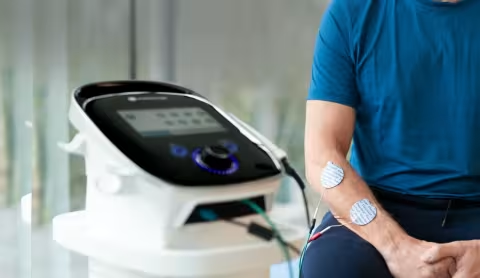
In the evolving field of neuromuscular electrical stimulation (NMES), selecting the right waveform is critical to achieving optimal therapeutic outcomes. VMS™ (Variable Muscle Stimulation), exclusive to Chattanooga® electrotherapy devices, has recently gained increased attention for its demonstrated advantages over traditional stimulation waveforms. This white paper explores the science behind VMS electrical muscle stimulation and examines how waveform selection can significantly influence treatment effectiveness and patient comfort.
From attenuating muscle atrophy to improving strength and performance, NMES has long been used as a valuable rehabilitation tool. However, its effectiveness is shaped by several factors, including current type, frequency, pulse duration, and especially waveform design. While traditional waveforms such as Russian, biphasic, and monophasic stimulation have been widely used, VMS introduces an optimized symmetrical biphasic waveform with adjustable parameters and versatile delivery options. These characteristics enable clinicians to generate stronger muscle contractions while reducing fatigue and improving circulation—making VMS a compelling, evidence-based option for both rehabilitation and performance enhancement.
Inside the White Paper
• An overview of Variable Muscle Stimulation (VMS™) technology and how its optimized symmetrical biphasic waveform supports effective neuromuscular electrical stimulation.
• Comparisons between VMS and traditional stimulation waveforms—including Russian, biphasic, and monophasic currents—and how waveform design impacts muscle contraction and patient comfort.
• Evidence-based insights into the clinical benefits of VMS, including increased muscular contractile force, reduced muscle fatigue, and enhanced local circulation to support recovery and rehabilitation.