

Total Items
0
0 Item(s)
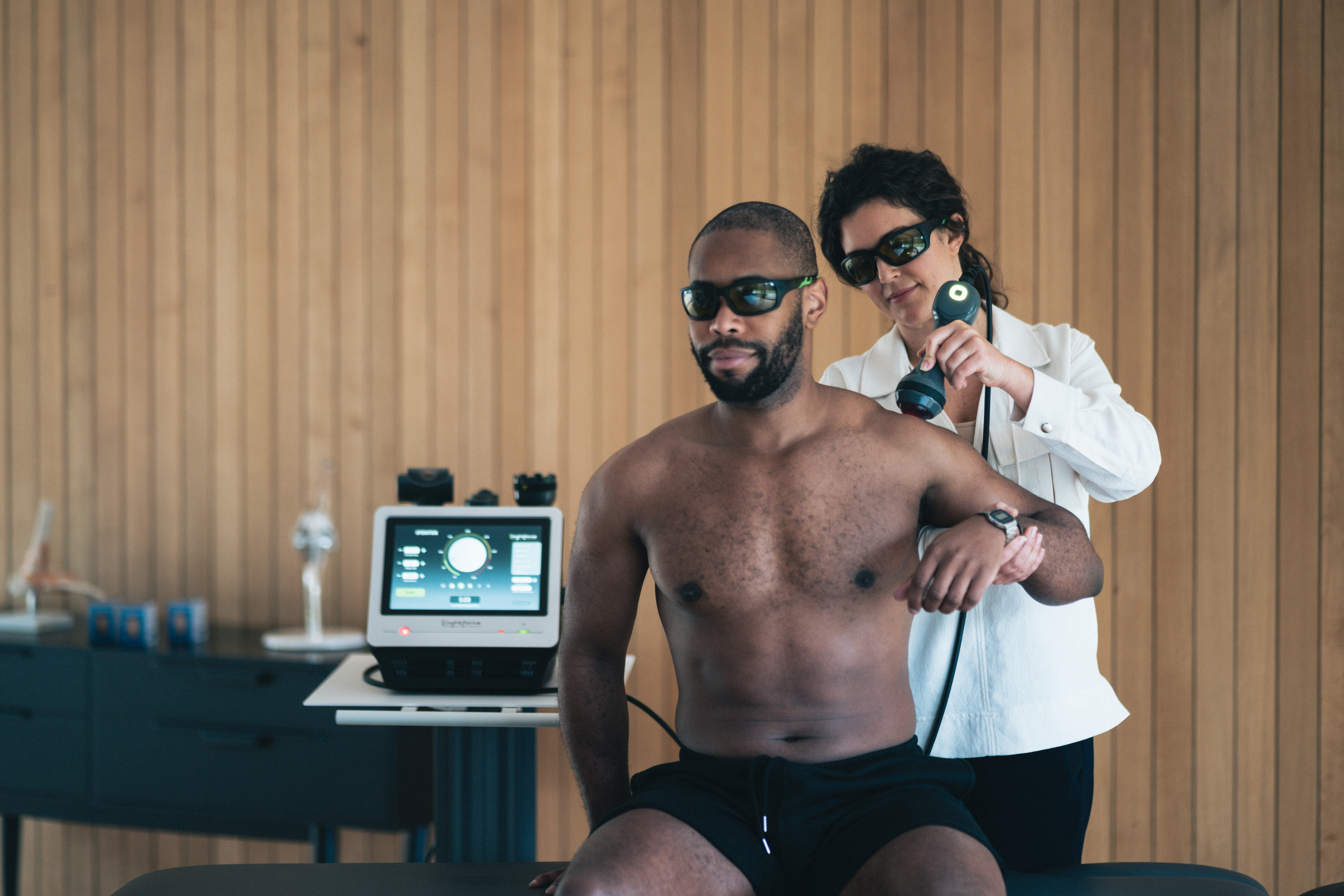
Laser therapy, also known as photobiomodulation therapy (PBMT), is a non-invasive treatment using light to penetrate tissues and stimulate cellular activity, which can lead to a range of beneficial outcomes including pain relief, enhanced blood flow, and muscle relaxation.¹-³ Its therapeutic effectiveness depends on parameters like wavelength, irradiance, fluence, and amount of light energy delivered to the tissue.¹ Unlike low-level laser devices, LightForce® Class 4 therapy lasers deliver higher power allowing more light energy to penetrate deep into muscles and other tissues, thereby delivering a therapeutic dose in shorter treatment times.
PBMT activates cytochrome c oxidase located in the mitochondria, boosting adenosine triphosphate (ATP) production for cellular energy.¹,² It also stimulates the release of nitric oxide, enhancing vasodilation and microcirculation, and generates reactive oxygen species that can regulate inflammation and collagen synthesis.³,⁴
Photobiomodulation therapy influences key pathways via activation of transcription factors such as NF-κB, supporting cell repair and survival.4 Emerging research suggests additional mechanisms of how laser therapy works, including light-sensitive membrane proteins and activation of extracellular molecules like TGF-β1, which may impact pain signals and tissue repair processes, respectively.⁵,⁶


Dosimetry in photobiomodulation (PBM) therapy is highly complicated -- no single “dose” will work for all possible PBM therapies, and in some cases, different dosimetries can be equally effective. Safe and effective PBM dosimetry must consider multiple treatment parameters including: wavelength, irradiance (often called power density or brightness), and irradiation time.²¹
Furthermore, it is important to recognize that PBM is challenged by energy loss that occurs as light enters the skin and travels from superficial to deeper tissues. At the skin’s surface this is primarily due to reflection and below the surface by absorption from different tissues competing for different wavelengths of light. Proper configuration of the laser is a key factor in getting sufficient energy to target tissues.
Factors that impact dosing at depth:
Power is a key factor when delivering a therapeutic dose to deep target tissues. Not only do LightForce® lasers have higher output powers, but they also have larger beam areas, making them capable of delivering a therapeutic dose to larger treatment areas in a short amount of time. For example, treating the lower back area with a low-level class 3B laser can take over an hour depending on the dose required. However, treating the same area with a high power LightForce laser can be done in under 5 minutes!
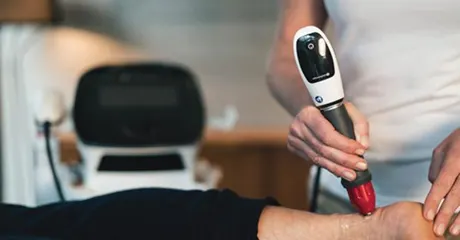
Our patented massage ball technology allows you to treat "on contact." This compresses the tissue, displaces excess fluid, and brings the target structure closer to the surface for maximum deep-tissue penetration.
The Perfect Protocol® software customizes the dose based on the patient's size, skin tone, and condition acuity.